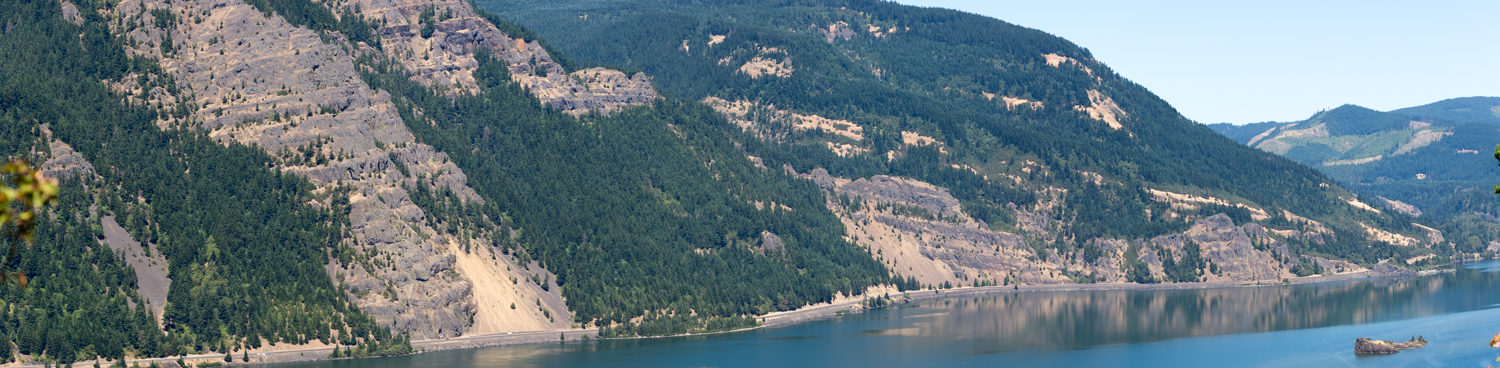


Part 10 here
First thing in the morning is to call the Toyota Factory, to get the information about tour. Unfortunately, no places are available. Oh well, let’s just go to the Visitor Center and see what is going on there.
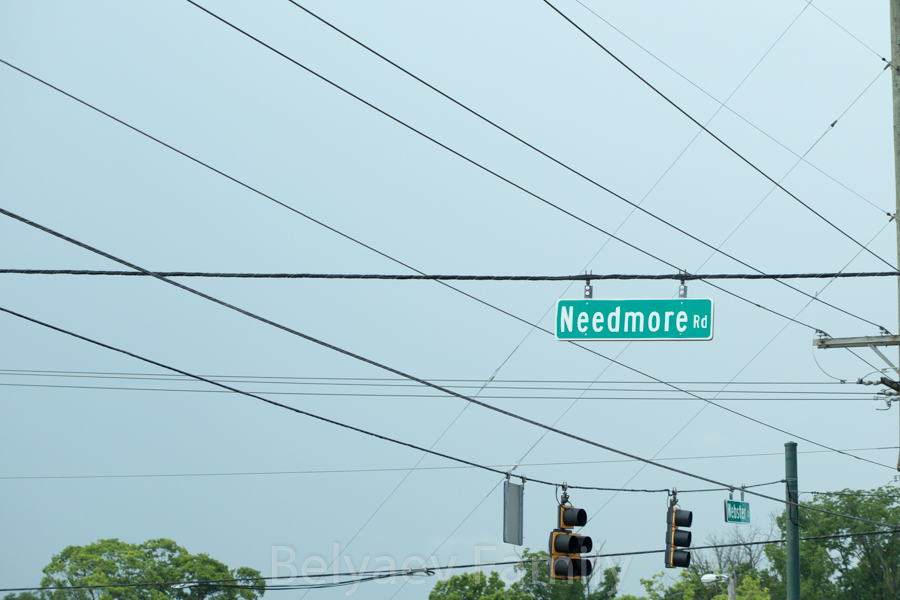
Funny road name
I’ve asked at the front desk if they have any cancellations for today’s tours. And they did! First the lady found 3 spots for us and maybe 15 minutes later another 2. So we can go to the tour all together 🙂 There are 3 cars stay in the hall, one is Camry from 1989, the first ever car made in that factory,and a new Camry and Lexus. Toyota started to build Lexuses in the US in October 2015, again, the first factory that started to build Lexuses in the US. The new Camry and Lexus are not locked so people can sit inside and explore the interior of the cars. Kids immediately jumped into one of them and started to play a game about some Annunaki. The car was a flying object and I was some unusually rare talkative cargo.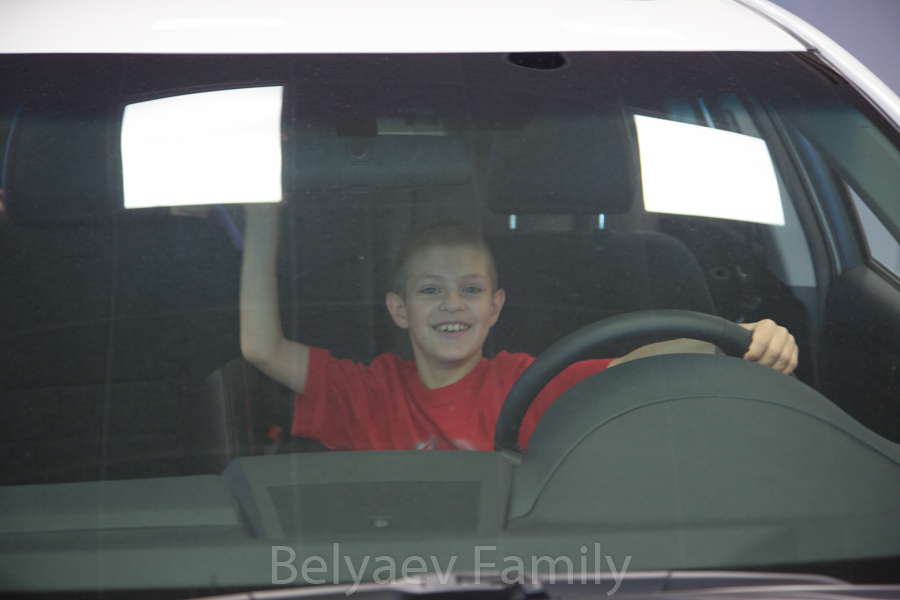
There are no photos allowed inside the factory, so we’ll just write down all the information we’ve heard from the tour guide. Because I myself work in a manufacturing company, I have impressions more on the how everything is organized than process of the car assembly.
Toyota makes Camrys, Avalons and Lexuses here in Kentucky and spend about 20 hr for each car to built. We were brought to the different parts of the huge building were the Camries and Avalons are assembled, Lexuses were assembled in different building, there is no tours there yet, maybe next year. The assembling starts from the steel rolls that can weight up to the 20 tons. The pieces of steel are sent to the huge press, that presses parts of the car body. It was very loud there. Imagine a 40-tons press that falls onto the steel sheet every several seconds! After parts are ready, the robots starts to assemble a car body and it is sent to the painting shop. We were not allowed to go there, because Toyota tries to keep it as clean as possible, all workers wears special suits and they went through air-blowing tube to remove all dust, dead skin particles and so on. Even tiniest dust particle can ruin the fresh paint.
Paint is dry approximately after 10 hr from the assembly beginning. After paint is dry, the doors are removed and go to the different conveyor.
We saw a lot of automatic trams with parts that drove back and worth between lines. Each tram plays it’s own tune, because it is loud in the factory and anything else would not be heard. By the way, if there is a problem (shortage or something) on a line, the worker press a button, so tune starts to play ans well as warning light is turned on. This is a signal to the coordinator of the line about the problem. Several times we saw people on the tricycles, there were coordinators. It is much faster than walking and besides they can take instruments or parts with them. The factory itself is huge too.
Toyota has a main rule there – if you spot an problem, try to fix it immediately, don’t let other problems build on top of it. The factory works in two shifts – from 6 am till 2.45 pm and from 5.30 pm till 2 am. If overtime is required, each worker works not longer than 1,5 hr of additional time. Worker spends about 90 seconds on the car. To eliminate of the errors, traumas and to keep all employees qualified, there is a rotation that happens every two hours and workers go to a different area of factory to work.
Kids’ impressions:
Ira
Today we visited the Toyota factory, to see how Camrys and Avalons were built. All of the cars start out as giant rolls of steel. Then the steel is unrolled, straightened, cut into sheets and pressed into shapes of various parts. After that the parts are assembled into the frame of the car. Doors are also attached at this stage. That car then gets it’s very own paint job. That takes ten hours, nearly half of the whole process! Afterwards, the doors are removed for easier access to the inside of the car. They add the dashboard, and the seats and stuff. Then the car is lifted up a bit so that the springs and wheel stuff could be installed. But not the wheels themselves, that comes later. At that stage the motor, silencer, and more motor-y things. Work on the doors is done separately. Speakers, handles, mirrors are added. The doors are then attached back to the car they were taken from. Finally, the wheels are put on the car, and it is lowered for final inspection. Then it is taken for a test drive, and loaded onto a truck to be shipped off to dealerships.
Pavlik
When we got to the Toyota Factory, we go out of our car and went inside. My parents signed up for a tour of the factory. When it was time for the tour, we went in a small room and saw a short video. Then we left the room and got on the tram that was going to take us on the tour. The tour guide gave us head phone so we could hear her in the factory. Before the tram left, we put on the safety glasses and buckled our seat belts. When the tram left, we saw the big coils of steel that are used to make pieces for the car. We saw the stamping station, which is a place where robots stamp pieces from the coil of steel. Then we past the place where they put the pieces together to make the car. Then we past the place were they put doors on the cars. We couldn’t go in the painting station, because then the paint job could be ruined. We went to the place were they take the doors off the cars so they can climb in the car and do the electrical stuff. The doors were taken to a place where they put on the glass and mirrors. Then we past the cafeteria and the medical and fire stations. Then we went to the place where they put the motors in and where they put the shocks and tires on. We then past a place were they put the doors back on and the car testing place. The cars are then fueled and driven to the parking lot to be loaded into trucks. Then our tram went back to the place where the trams park. We then gave our headphones back to the tour guide and our safety glasses back on the glasses panel. Then we went inside the gift shop because our tour was over.
After car production we went to the chocolate production. We saw how liquid chocolate slowly spins in the huge pans, how a press separates fillings of future candies, and how the conveyor brings them to the chocolate fountain, after that, the filing is wrapped in the chocolate. Then candies go into the freezer, where the chocolate hardens. At the end of the line there is a worker who picks up candies and puts them inside pretty boxes. We bought one, the candies are delicious!
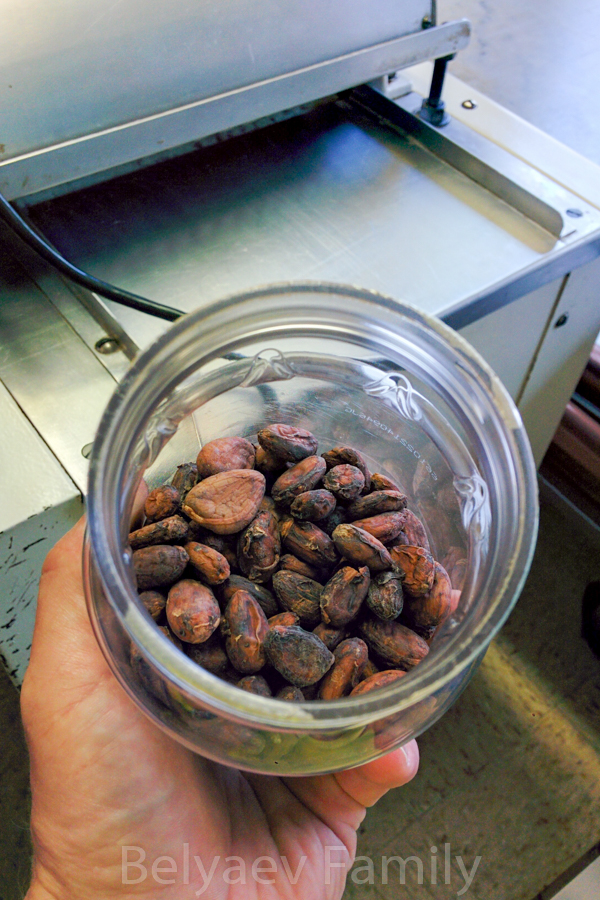
Dried cocoa beans
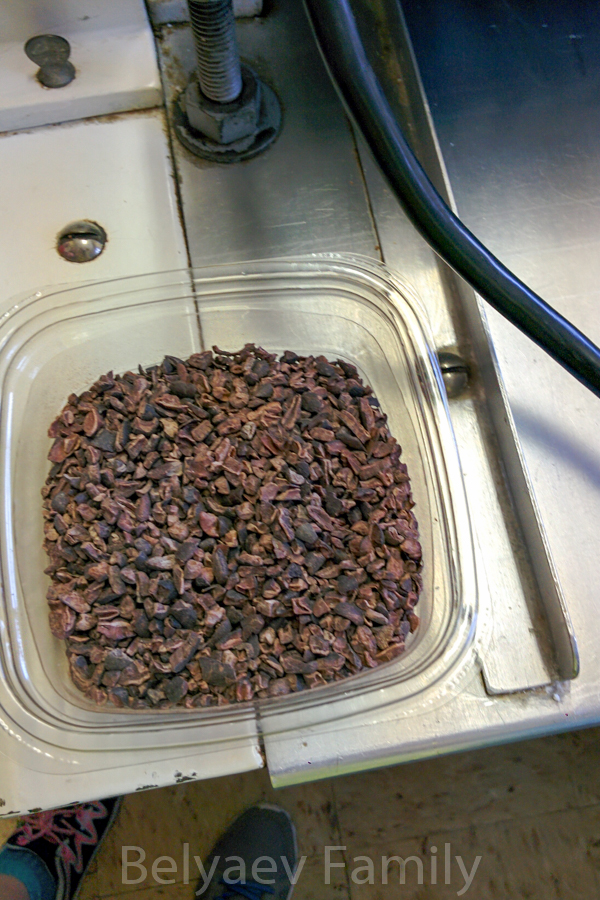
Ground beans -for those who love dark chocolate
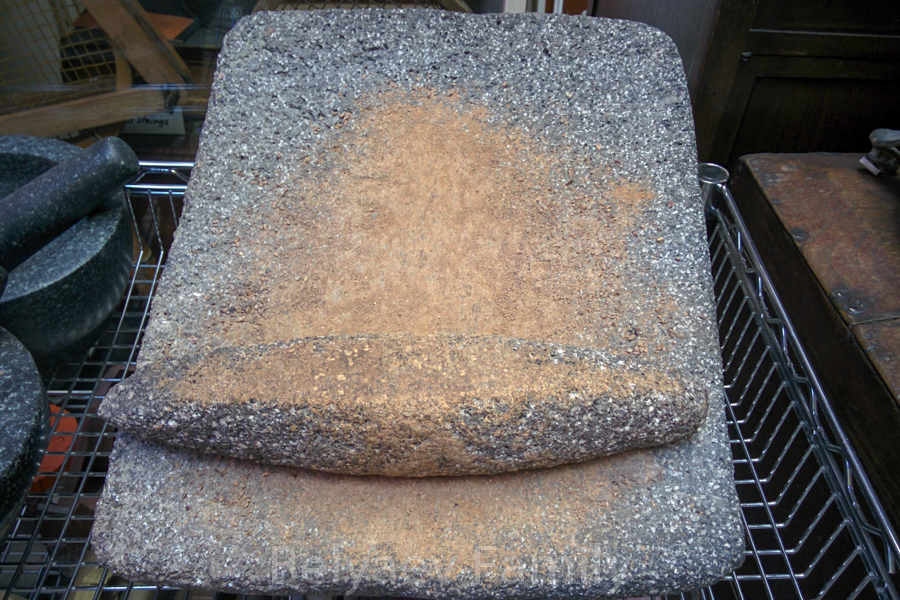
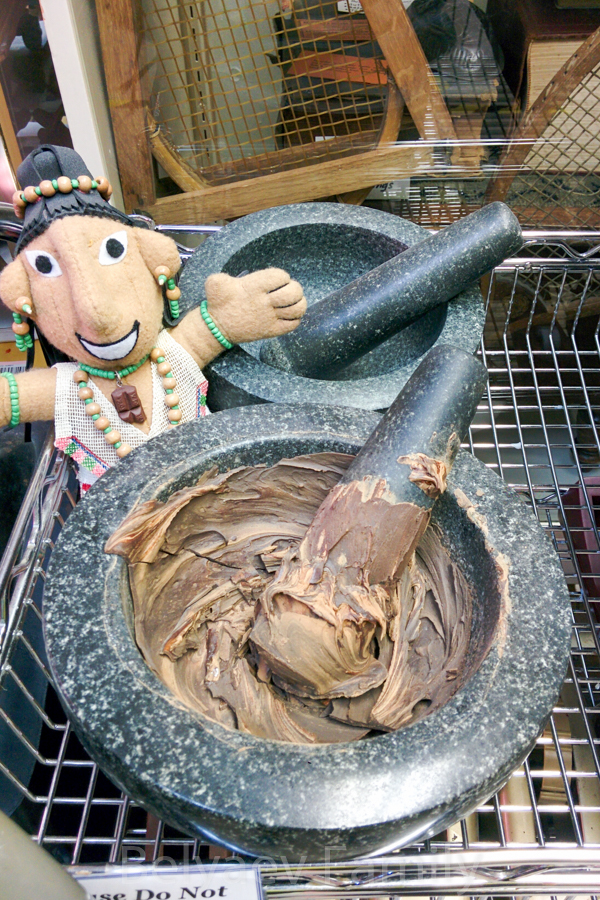
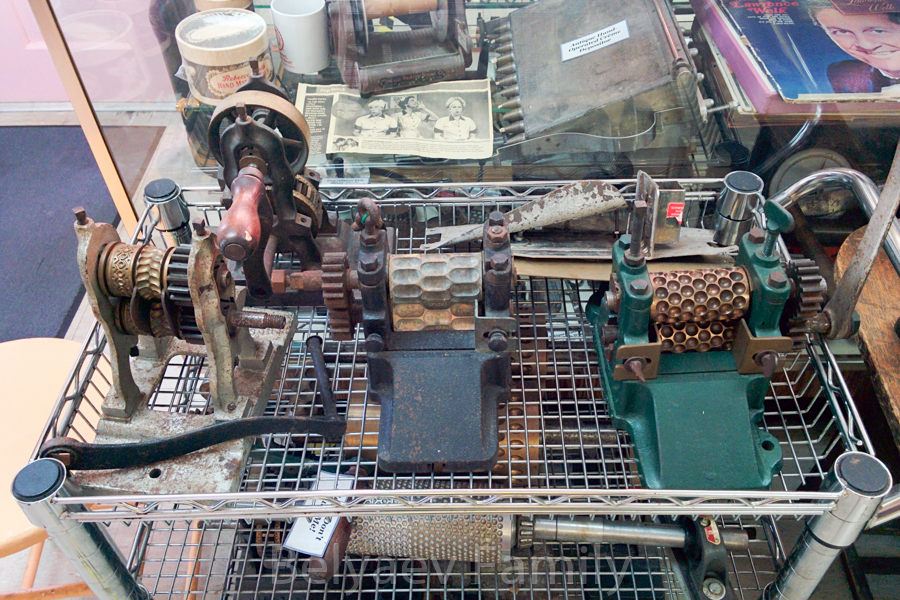
Old equipment in the museum
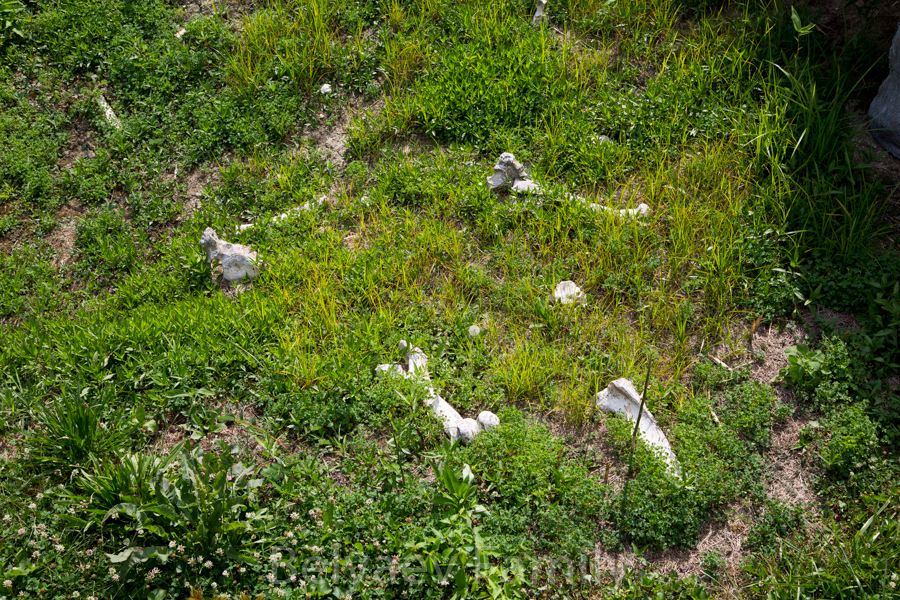
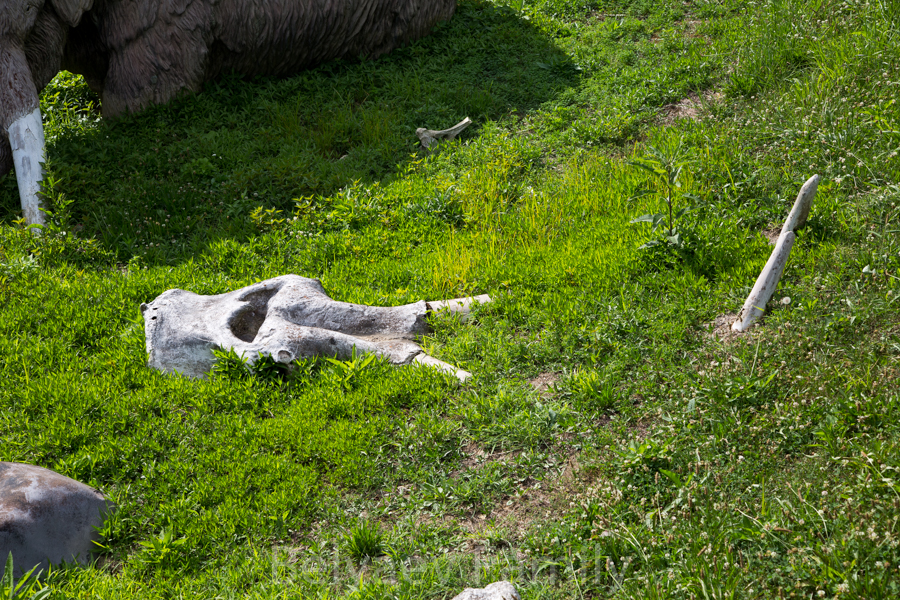
And last for the day was the park with a funny name – Big Bone Lick. There are mammoths’ fossils here. Very long time ago here were salty springs and mammoths came here to lick the rocks because they needed salts. But the surface was very swampy, so many animals were trapped and couldn’t escape, and salty mud covered their carcasses. They stayed like that for a long, long time. Later springs dried out and so did the surface and fossils showed up.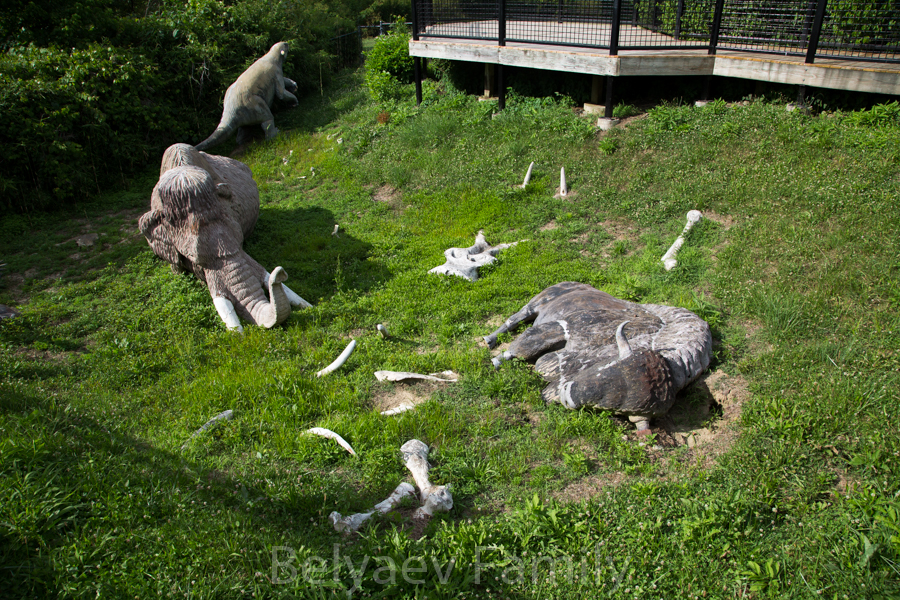
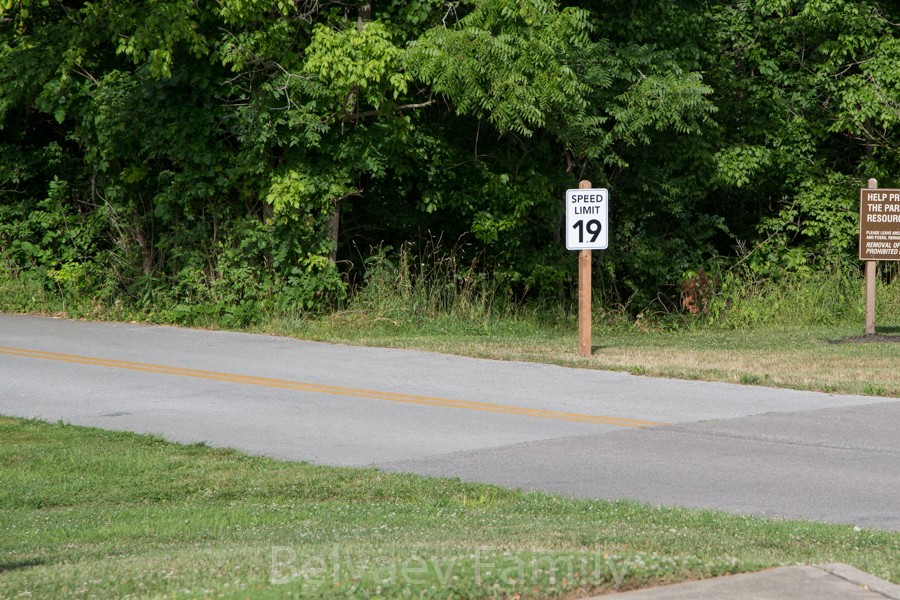
The weirdest speed limit I’ve ever seen
Part 12 here