

Part 17 here
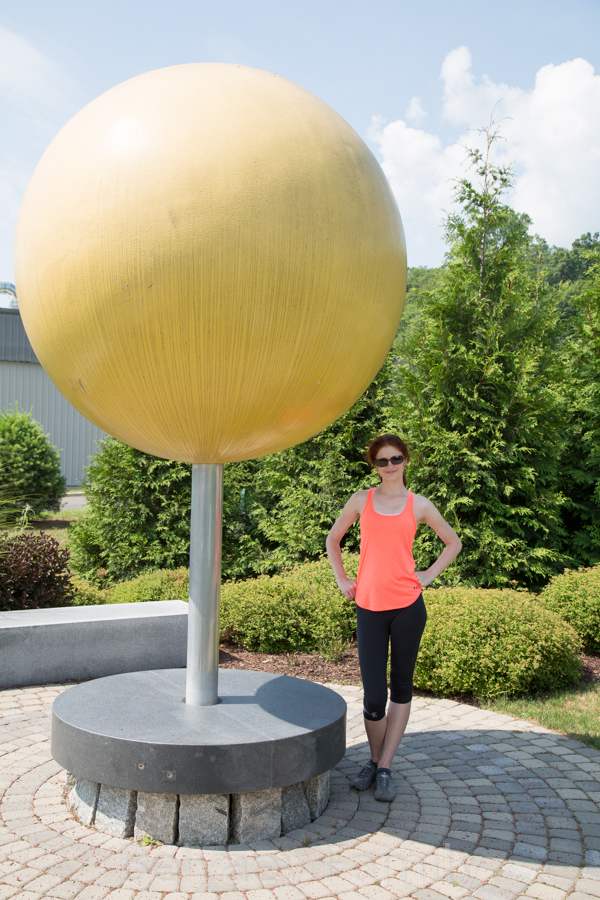
When we went through New Milford, we noticed a giant yellow ball near the school. Intrigued, we decided to stop and learned that McCarfy Observatory was located here. They placed a scaled Solar System in the public properties of New Milford. The yellow, 6 foot in diameter ball represents Sun. Here is the map with locations of other objects, let’s try to find them? Just in case if we are lost, in public library they provided more precise coordinates of each objects. First four (Mercury, Venus, Earth and Mars) are located near the Sun, so we found them pretty easily. For others we need to know the city well, so better to visit the library.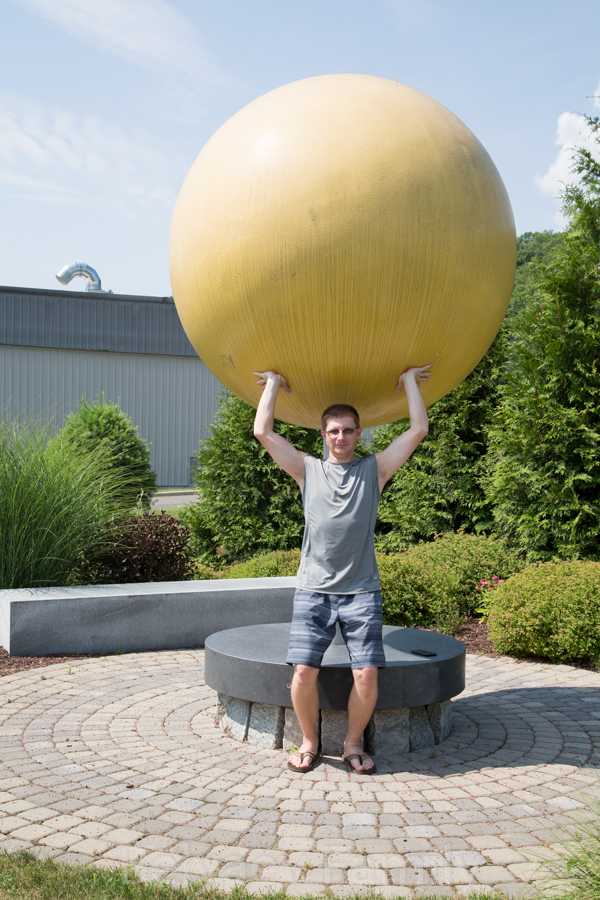
Here are some facts about each planet.
Mercury. Scale planet size – 6.4 mm, scale planet distance – 76 m. Length of the day – 176 Earth day, length of the year is 88 Earth days. A 50 kg person would weigh only 19 kg.
Venus. Scale planet size – 15.9 mm, scale planet distance – 142 m. Length of the day – 117 Earth days, length of the year – 225 Earth days. Isn’t it interesting, that Venus year has only two Venus days? Venus is hottest planet in our Solar System and it spins backwards compared to Earth, so Sun rises in the west and sets in the east. Venus is similar to Earth in size, mass and composition, however it’s surface atmospheric pressure is 90 times that on Earth. A 50 kg person would weigh 46 kg.
Earth. Has planet scale size 16.7 mm and scale planet distance 197 m. The modern name Earth came from “eartha”, the Old Saxon word for “land”.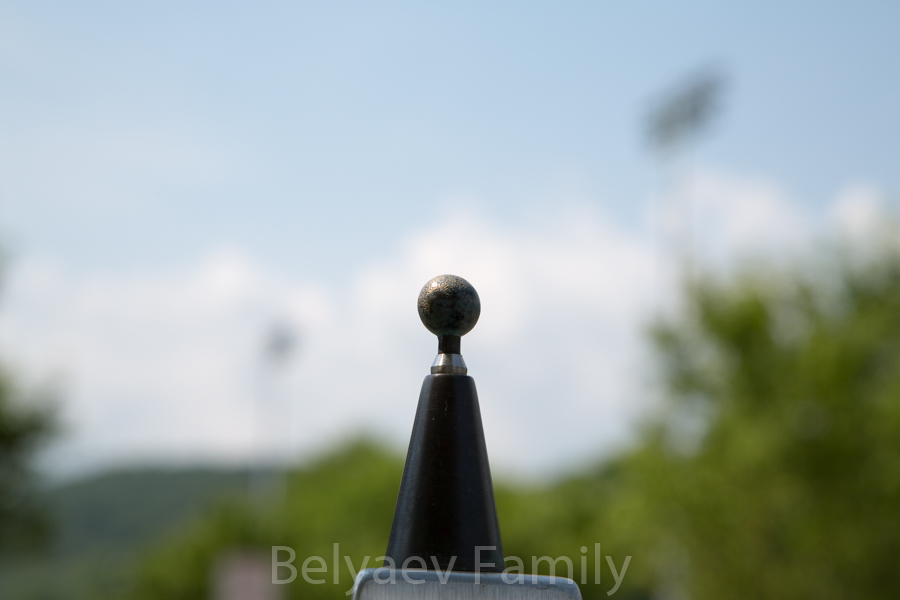
Mars. Scale planet size 8.9 mm, scale planet distance 299 m. The length of day 24 h 42 m, length of the year 1.88 Earth years. Geological observations of Mars terrain provide evidence of past liquid water. Other than Earth, Mars is the most likely body in the Solar System to have developed some form of life. A 50 kg person would weigh 19 kg.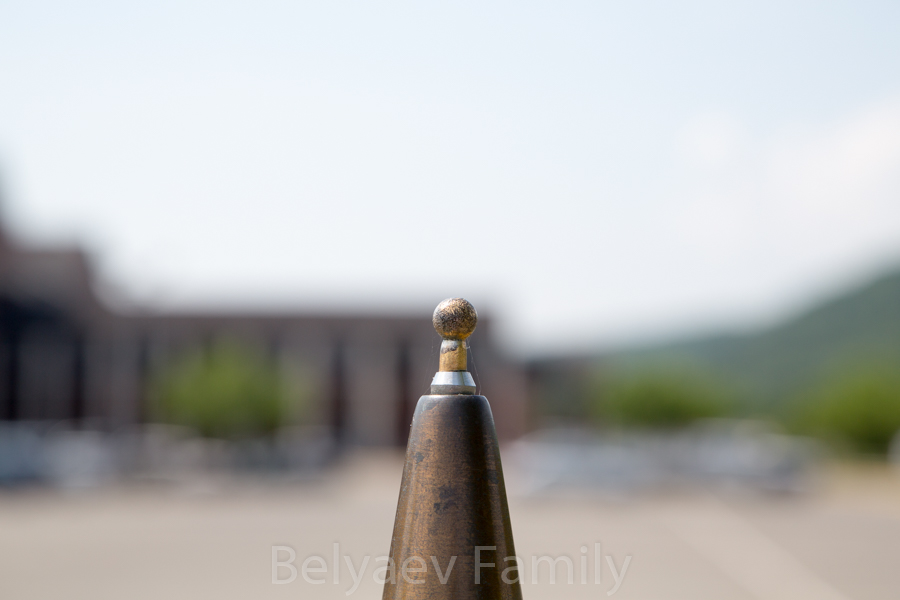
Jupiter. When we found it’s spot, we noticed that the planet itself is missing. A pity that someone took it as souvenir, because the idea of positioning planets here and there with scale size and distance and providing different facts about the planet is very encouraging for the kids to learn more. Scale planet size 188 mm, scale planet distance 1,025.5 m. The length of day 9 h 56 m, length of the year 11.86 Earth years. It is a gas giant, however scientists are thinking that it can have a solid core about 10 times Earth’s mass. Jupiter is the largest planet, it’s mass more then twice that of the all other planets combined. It has 63 moons, and first 4 were discovered by Galileo. Jupiter has system of 3 dark rings that not visible from Earth because they only reflect 5% of sunlight. A 50 kg person would weigh 119 kg.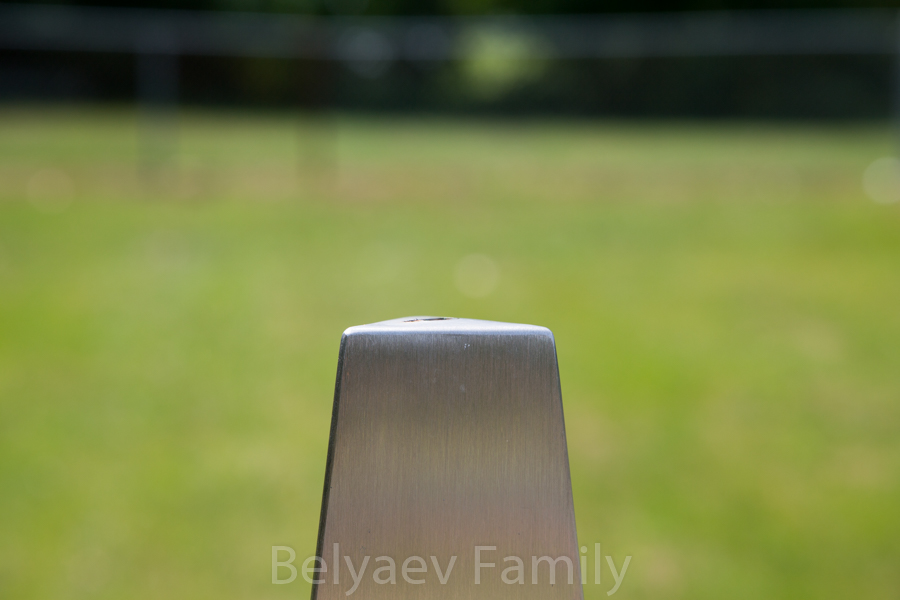
Saturn. Scale planet size 158 mm, scale planet distance 1883 m. The length of day 10 h 40 m, length of year 29,5 Earth years. We know about 61 noon of this planet. Galileo observed Saturn’s unusual and changing shape but didn’t understand it. Only 50 years later Huygen’s observations identified the structure as a ring system. Scientists believe planet could have a solid core. Saturn is the least dense of the planets – so light that it could float in the water. A 50 kg person would weigh 45.5 kg.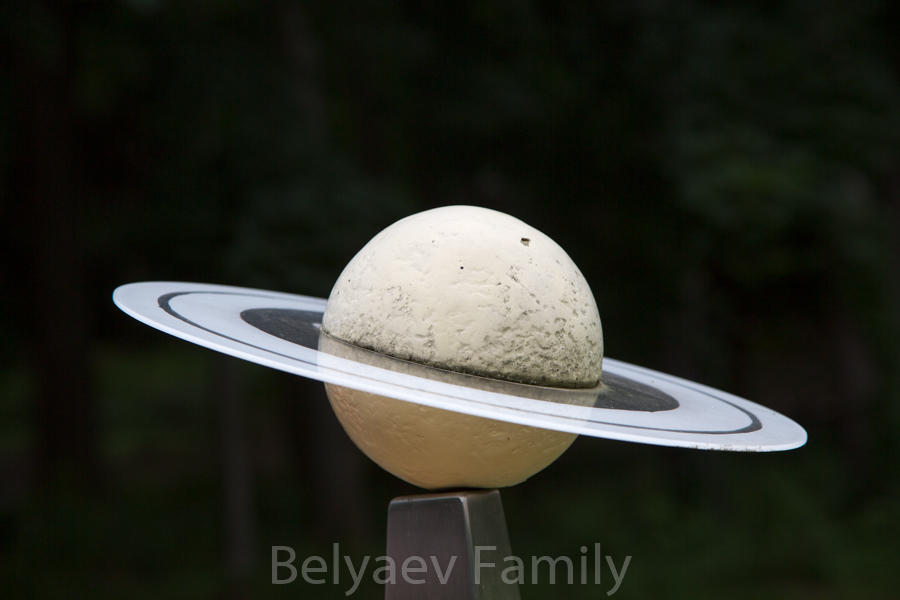
Uranus (It is missing too). It is a planet of the ice giant class. It’s scale planet size is 67 mm, scale planet distance is 3778 m. The length of day 17 h 14 min, length of year 84 Earth years. it’s rotational axis is titled about 98 degrees, almost parallel to the plane of the Solar System, bathing each pole in sunlight for 42 years, followed by 42 years of darkness. It’s ring system was accidentally discovered in 1977 and then Voyager 2 confirmed that Uanus has 11 rings. We know about 27 moons of Uranus. A 50 kg person would weigh 44 kg.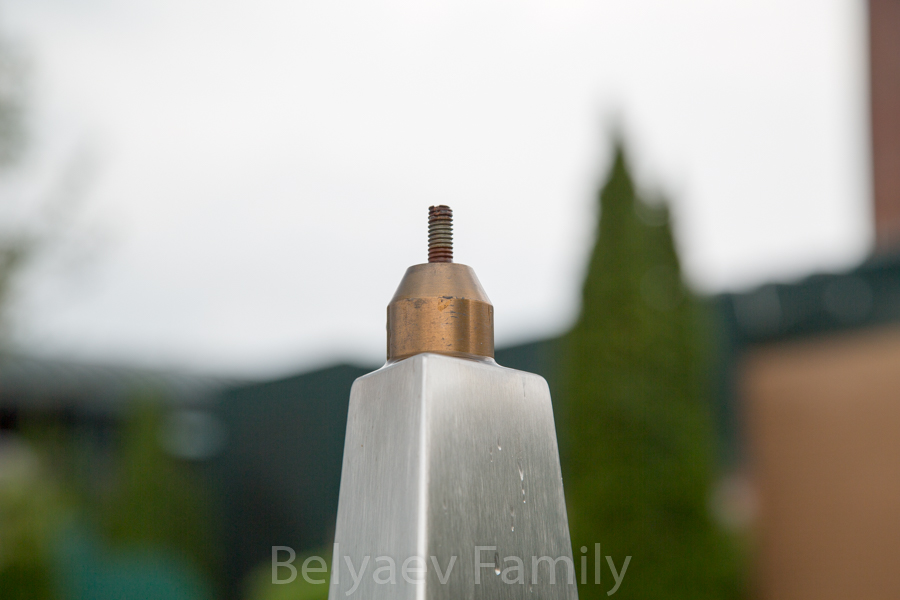
Next should be New Horizons module, but when we came to the place it should be located we found out that it was removed. Because all objects are located near the public areas. and that school, where New Horizon was located once, is closed now, Observatory decided to permanently remove New Horizons installation. So kids pretended they are the module and we moved o to the next planet.
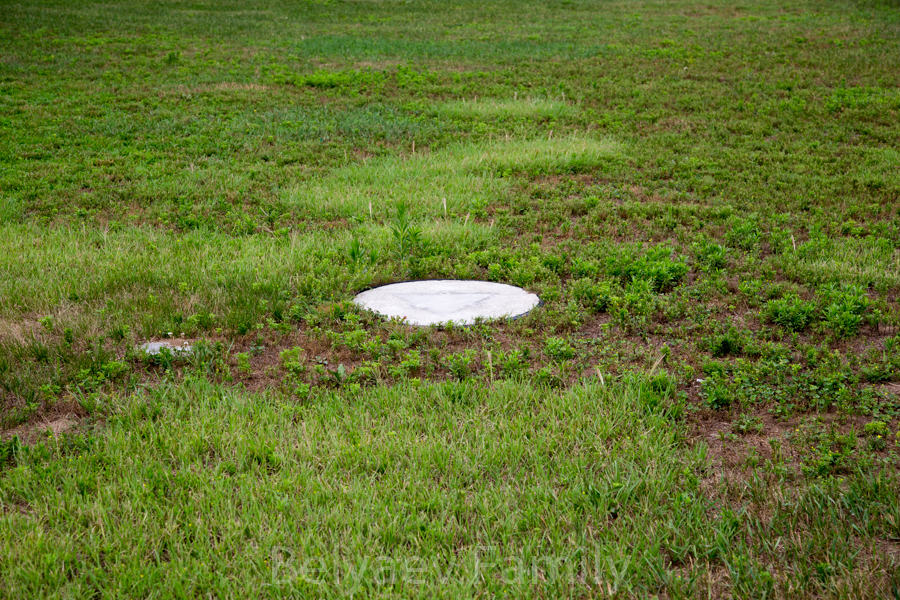
New Horizons module once was here
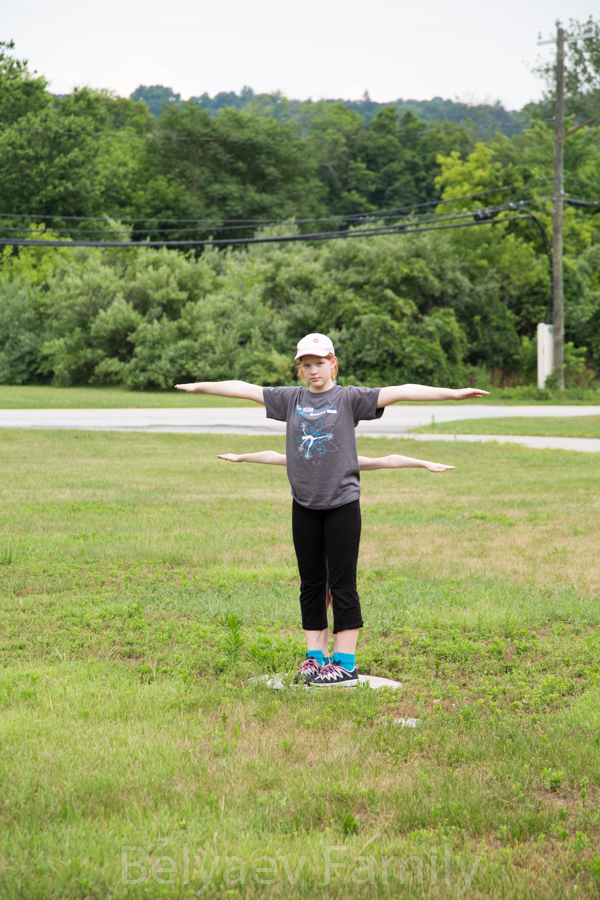
Neptune. that Ice giant has scale planet size 65 mm, and scale planet distance 5914 m. Length of day is 16 h 11 min, length of year is 164.8 Earth years. The atmosphere is made up of hydrogen, helium and methane ices possibly surrounding an approximately Earth-sized solid core. We know about 13 moons. A 50 kg person would weigh 56 kg.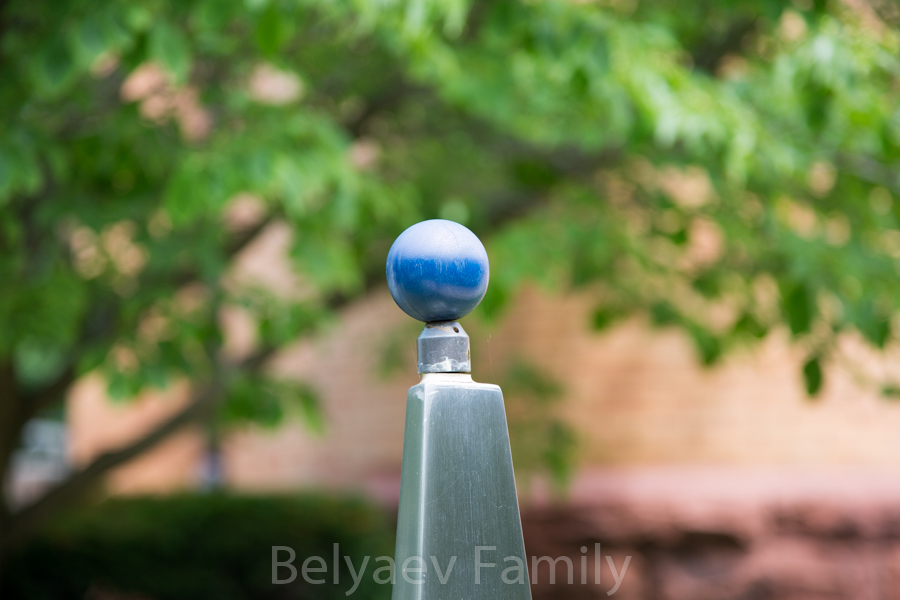
Pluto, ex 9th planet of Solar System. It’s scale planet size 3.1 mm, scale planet distance 7757 m. Length of day 6 d 9 h, length of year almost 247 Earth years. 19th century measurements of the apparent disruptions of the orbital paths of Uranus and Neptune began the search for this planet. Modern calculations refute that measurements, so Pluto’s discovery was coincidental. In 2006 Pluto lost it’s status as a major planet and is currently classified as Plutoid. It is considered to be a Kuiper Belt object. A 50 kg person would weigh only 4 kg.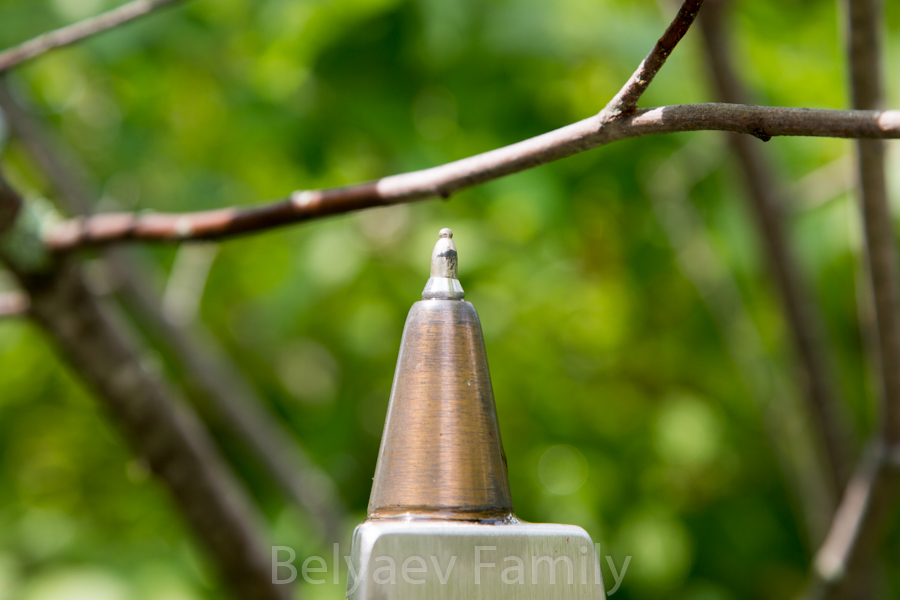
Kuiper Belt and Oort Cloud. The vast region beyond Neptune has a structure that has been slowly defined in the past 60 years. It consists of an inner comet belt called the Kuiper Belt and beyond that a region called the Oort cloud, with a belt of comets then a giant spherical “cloud” of comets.
Kuiper Belt named after Gerard Kuiper who first described the large belt of comets orbiting beyond Jupiter in the plane of the Solar System. It extends from the region of Neptune to several thousands times earth’s distance from the sun. It contains millions of comets. These are ancient relics that formed over four billion years ago, and is where most comets that are seen from Earth come from.
The Oort cloud named after Dutch astronomer Jan van Oort, who theorized that the extremities of the Solar System house an enormous “cloud” of comets that orbit in a sphere that encircles the Solar System. It extends beyond the Kuiper Belt outward to possibly about 100,000 times the distance from Earth to the Sun, about halfway to the nearest star. It is estimated to contain as many as a trillion comets.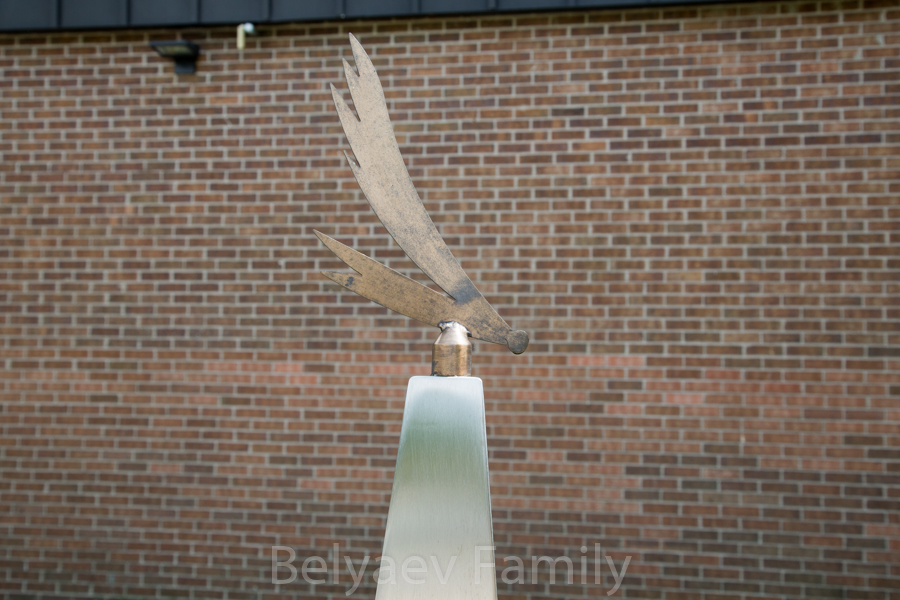
And the last in our list was the symbol of our Galaxy, Milky Way. Do you know that Milky Way will collide with Andromeda Galaxy in about 3 billion years? it is possible that enormous elliptical galaxy will be formed from these two galaxies. Because scientists think that our Sun has five more billion years to live, it is very likely that Sun will “see” the birth of that new galaxy!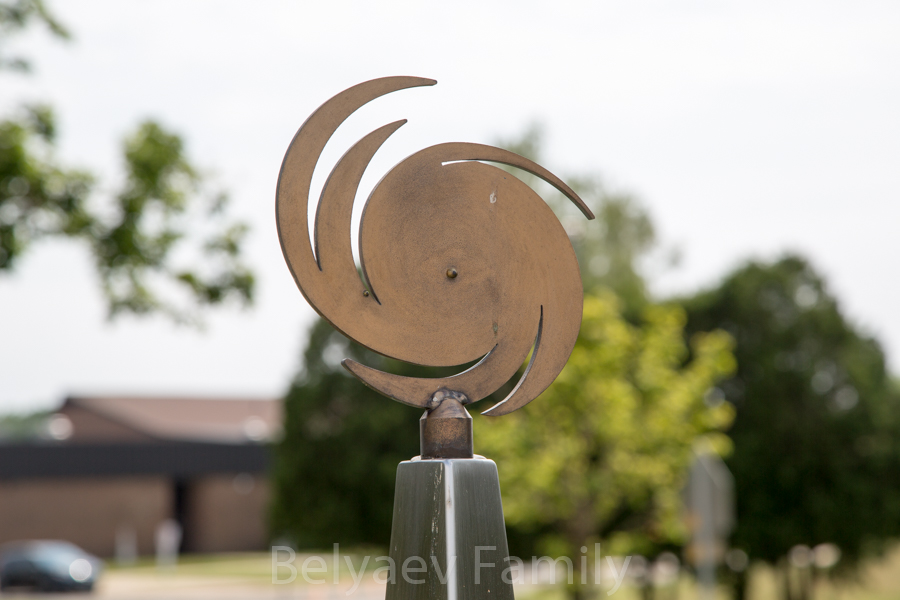
After planet hunt we continued our journey. 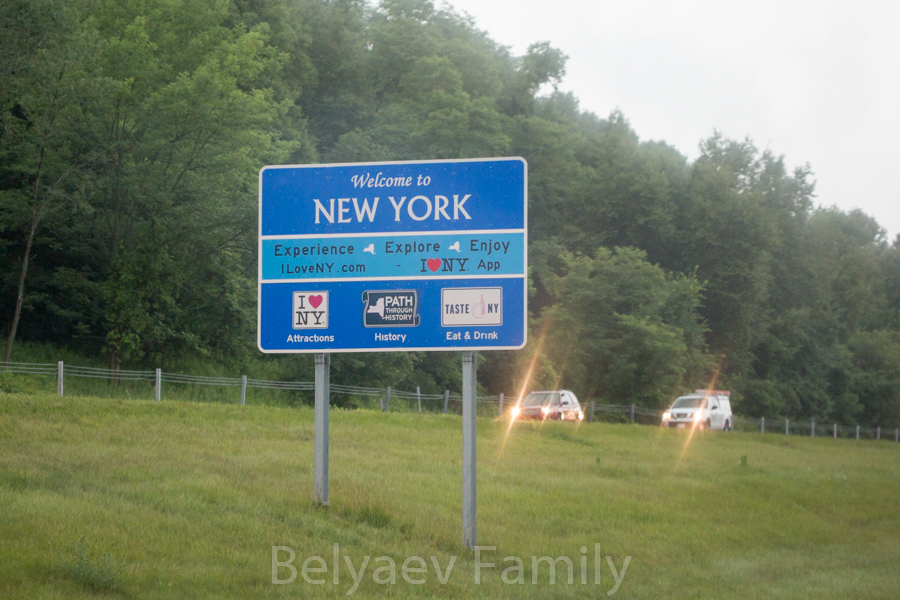
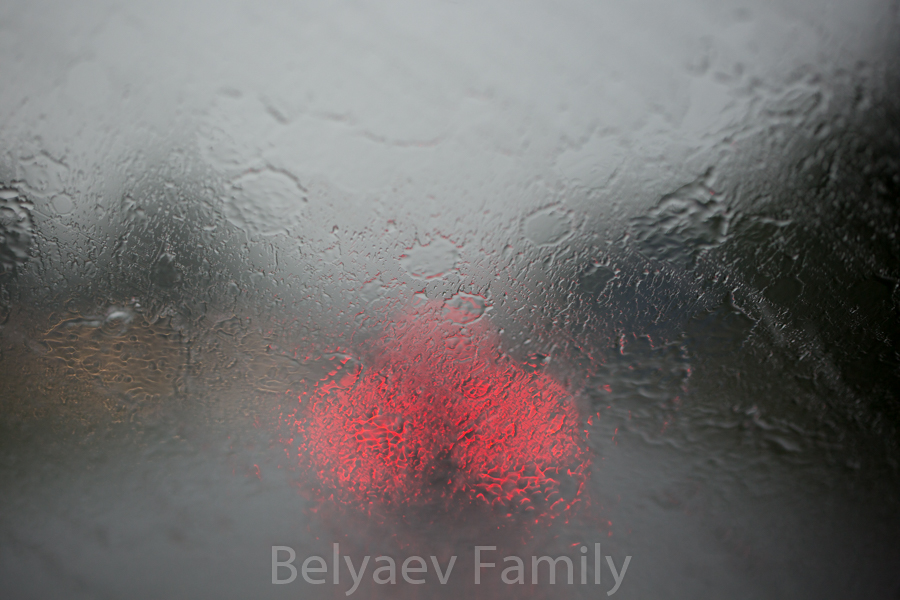
Right after we cross the border with New York, the rain started
Big bridge over Hudson river connects two states – New York and New Jersey. We drove inside it.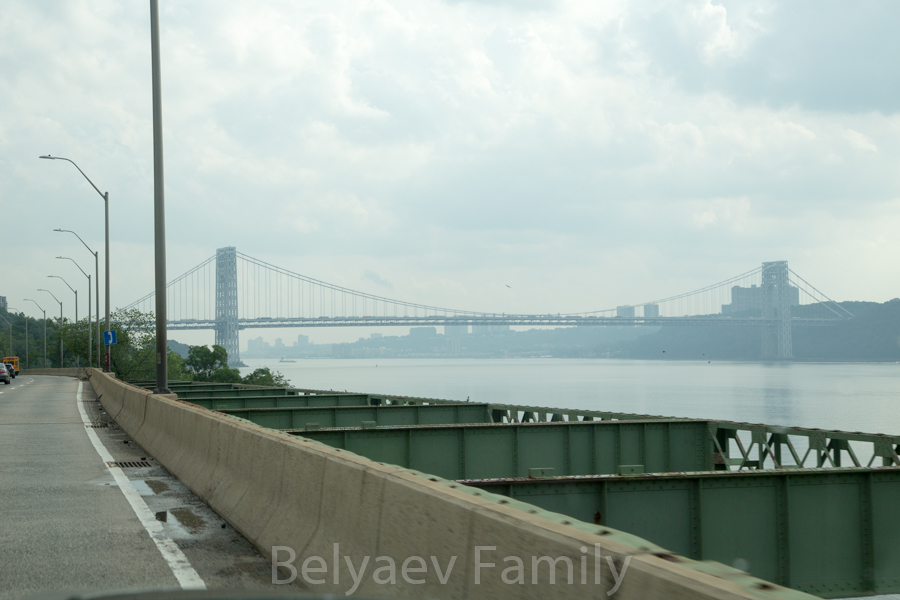

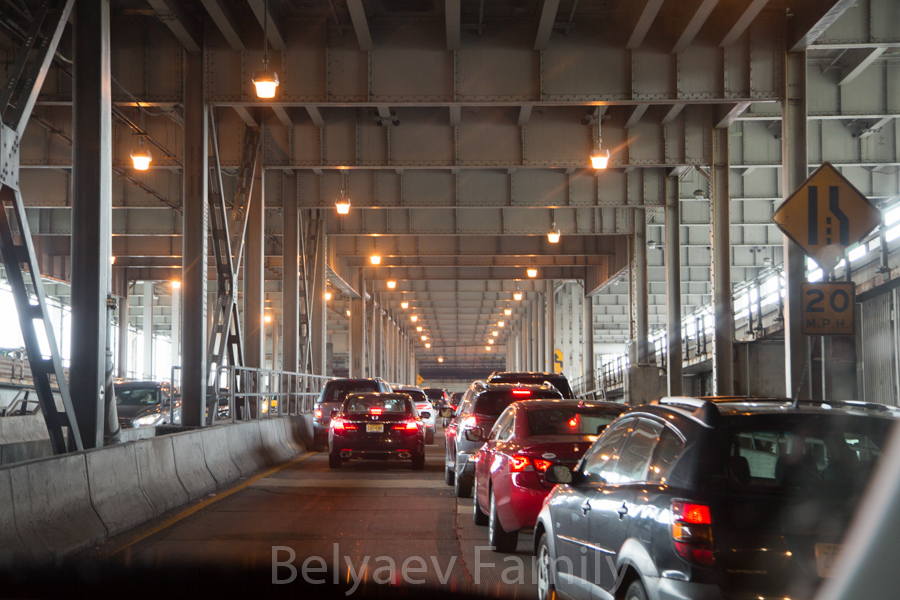
Inside the bridge
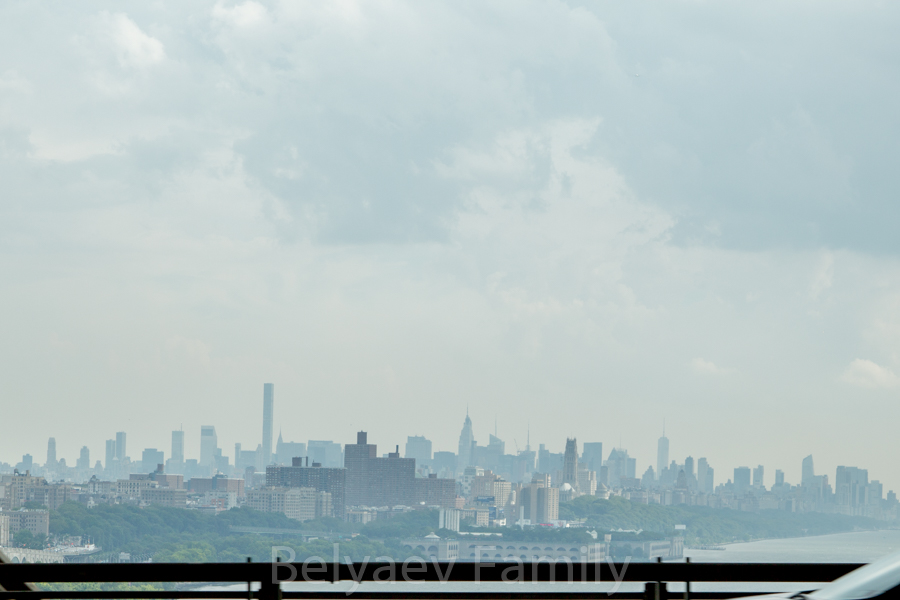
New York in the smog cloud
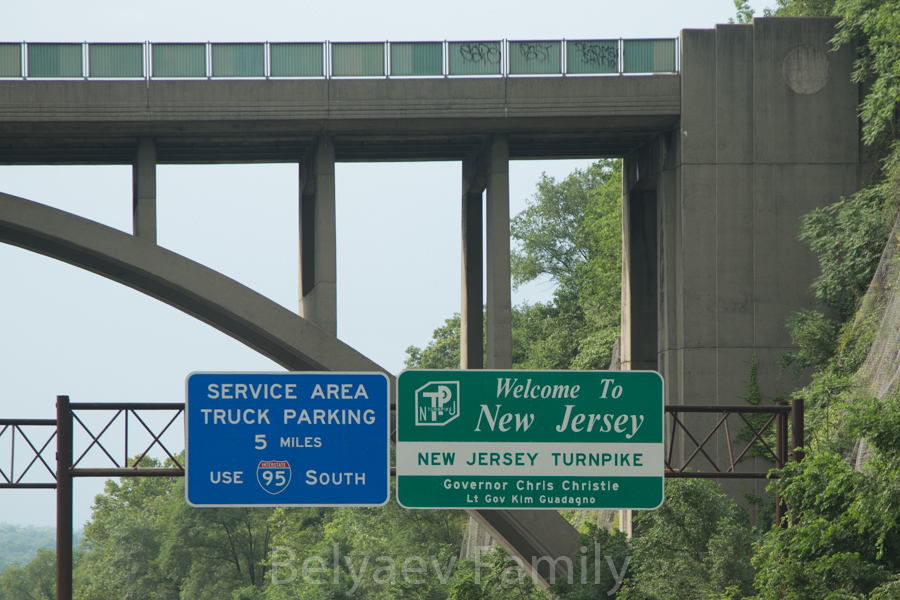

Part 19 here