

Part 45 here
Today’s other destination is Bodie – a ghost town in California. We already made several attempts to visit it during Spring break 2014 and 2015, but the road leading to the town wasn’t reopened from winter yet. So after walking in Tonopah Mining Park we went to the car.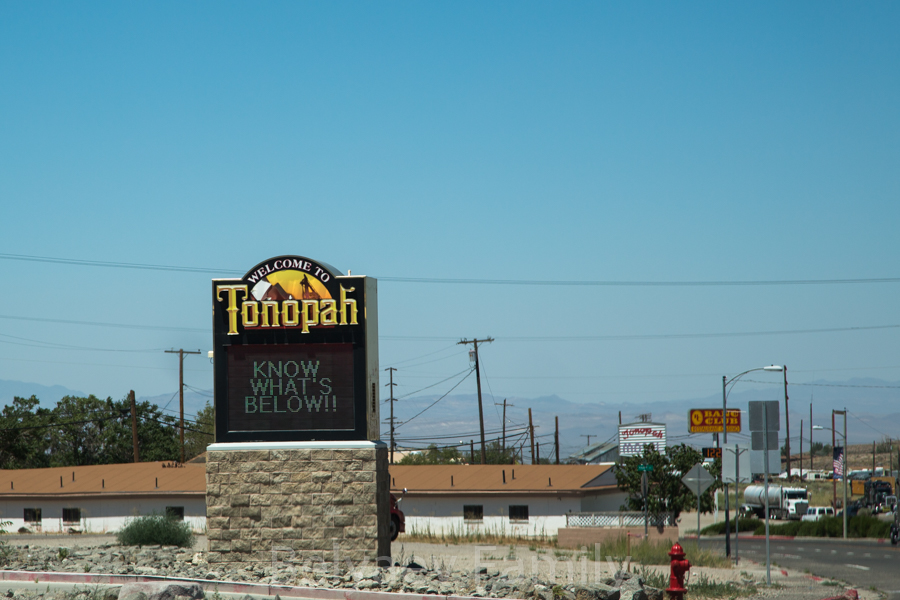
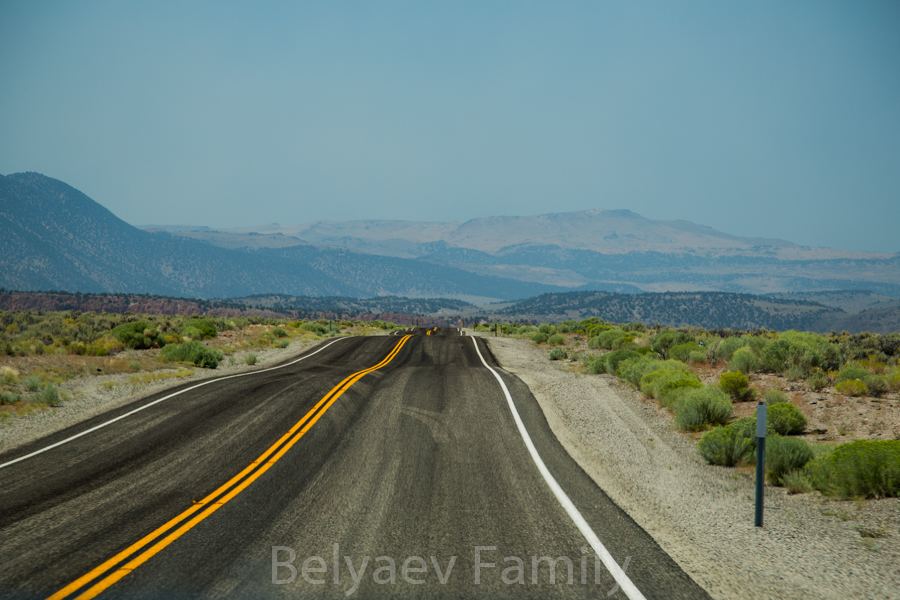
Hilly road
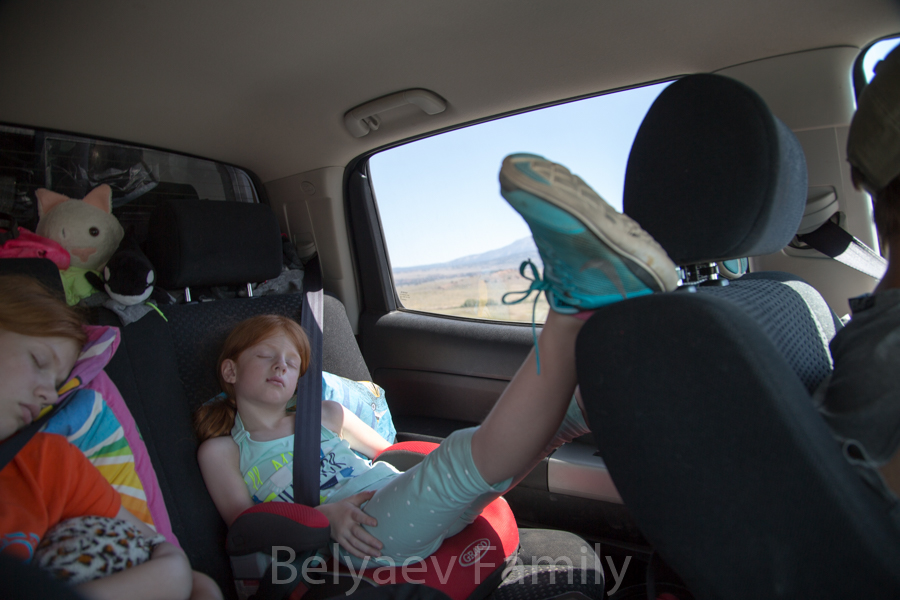
Sleeping kingdom
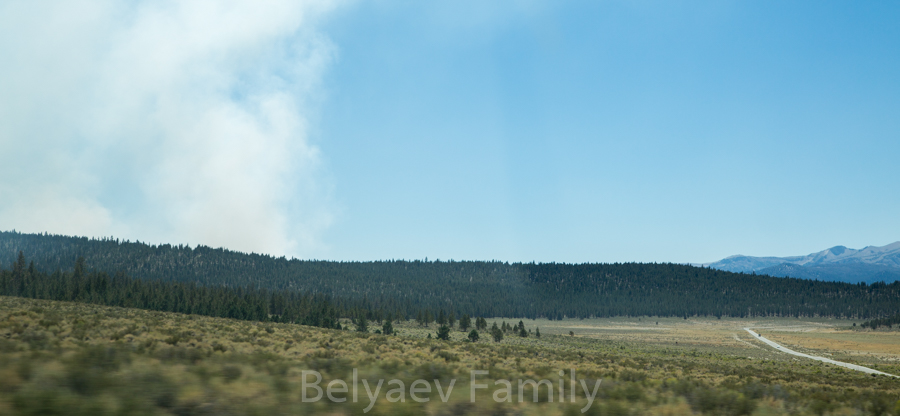
Forest Fire
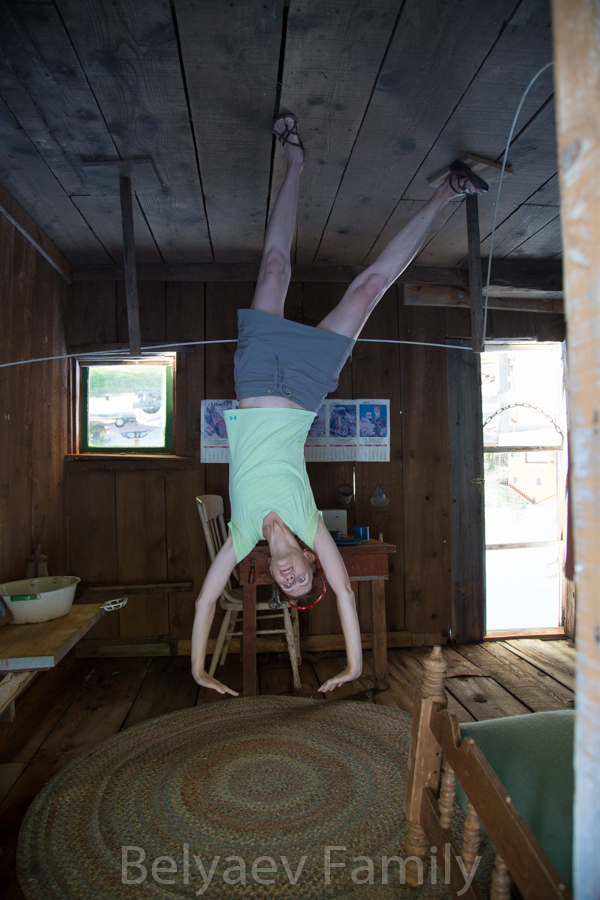
During our late lunch near Mono Lake we noticed a very odd small house standing on it’s roof. It was a fun creation made by local resident Nellie Bly O’Bryan, she was inspired by one children’s tale. By the way, long before she moved to the Mono Lake area, she took part in several silent movies with Charlie Chaplin.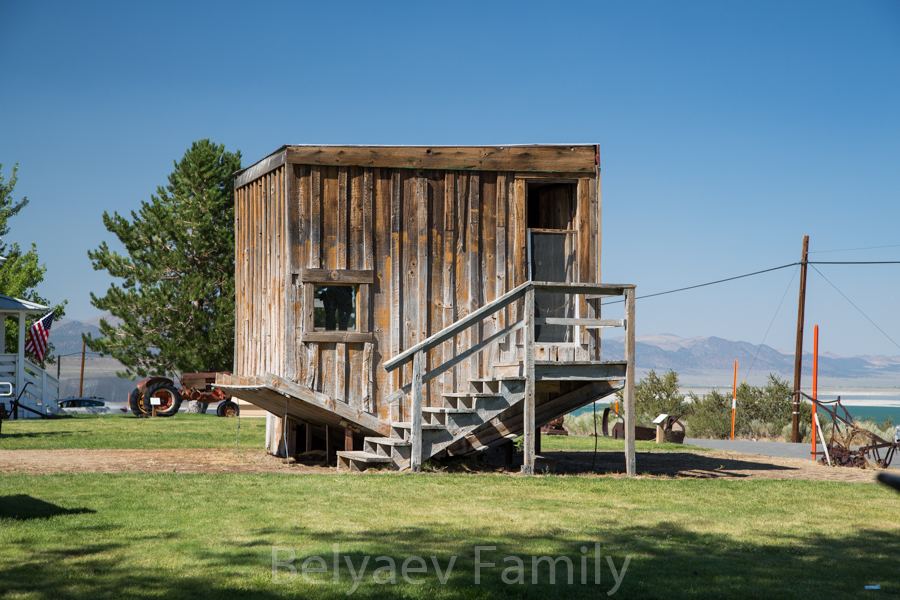
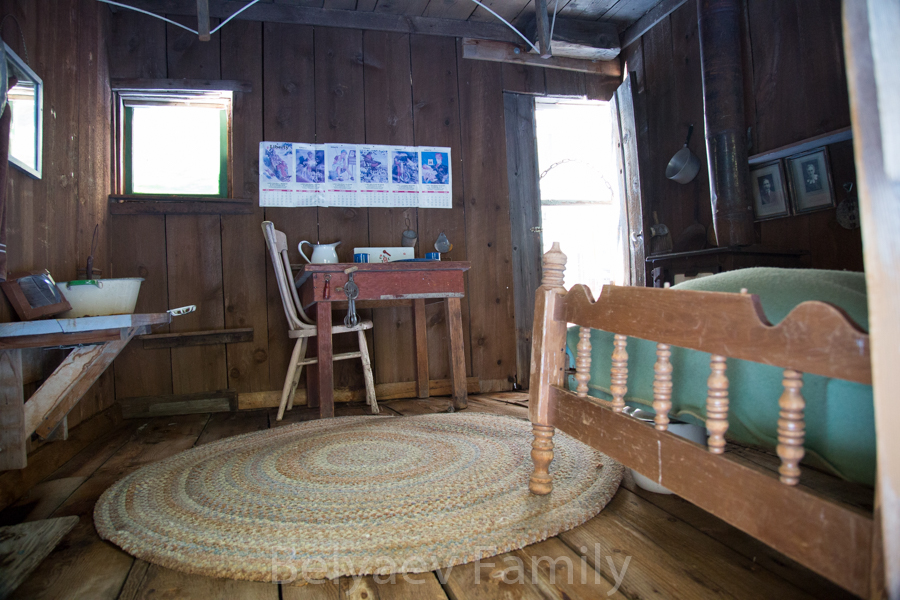
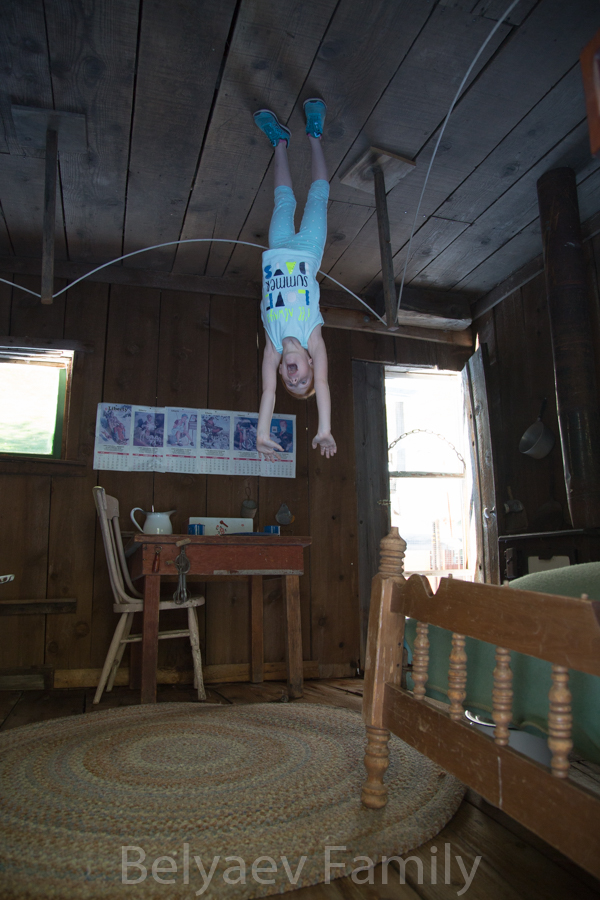
Kate’s falling from the ceiling!
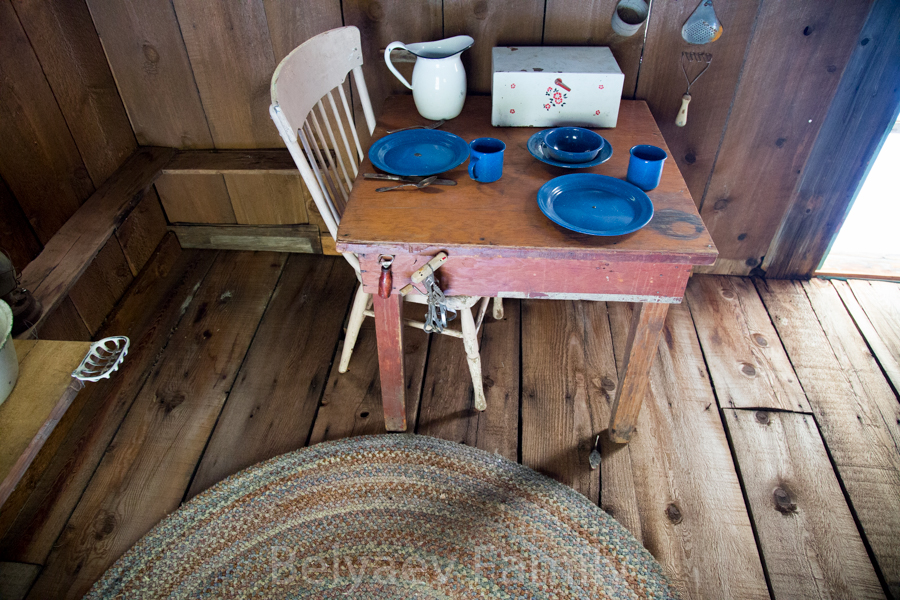
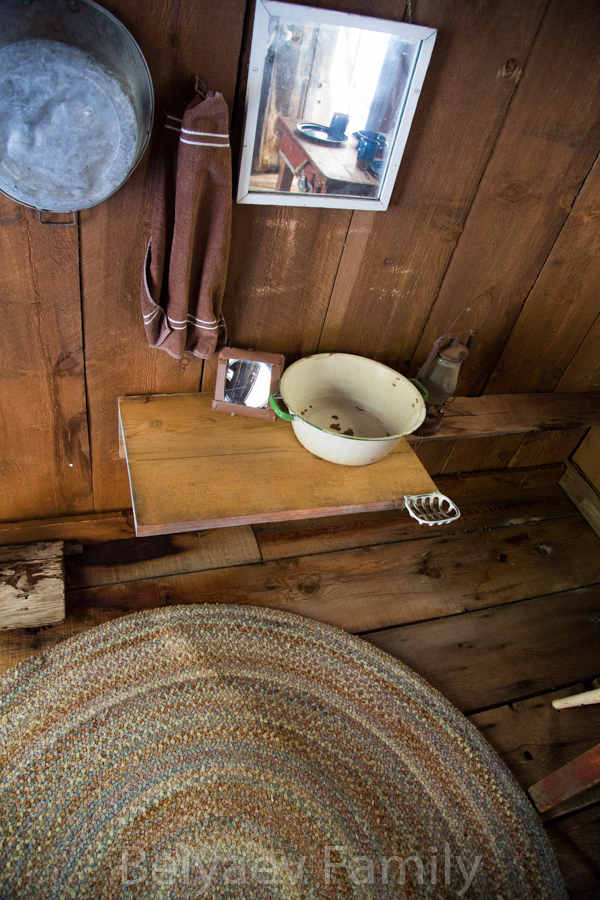
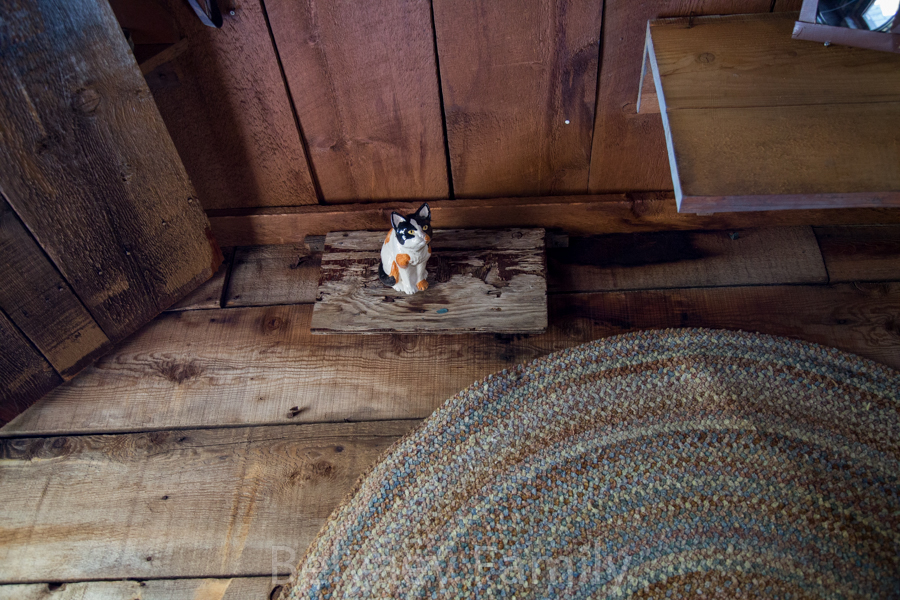
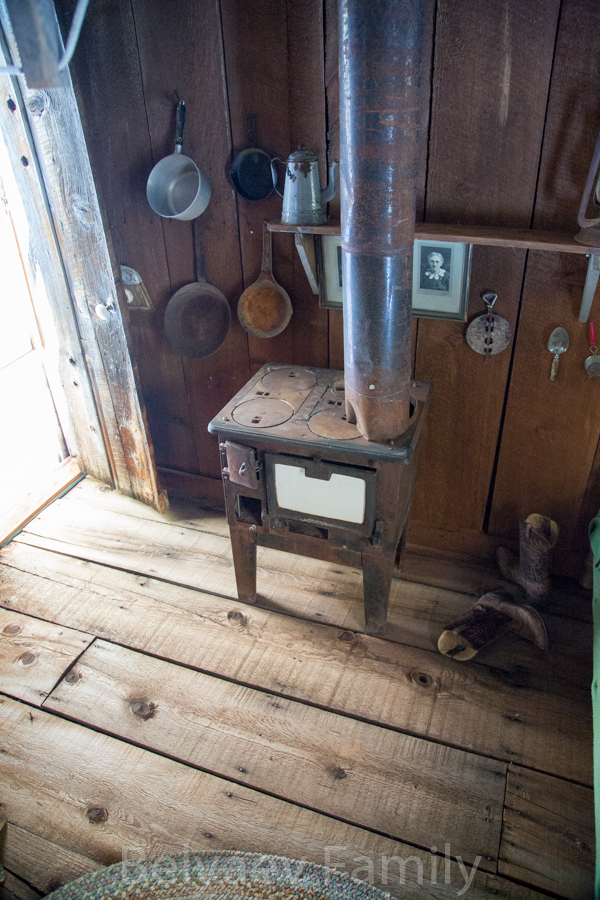
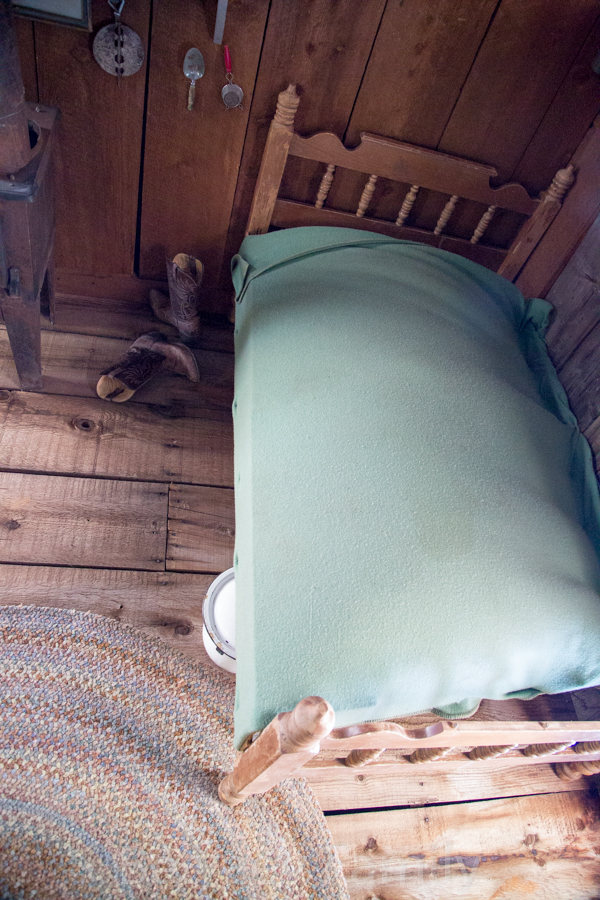
There’s a night pot under the bed!
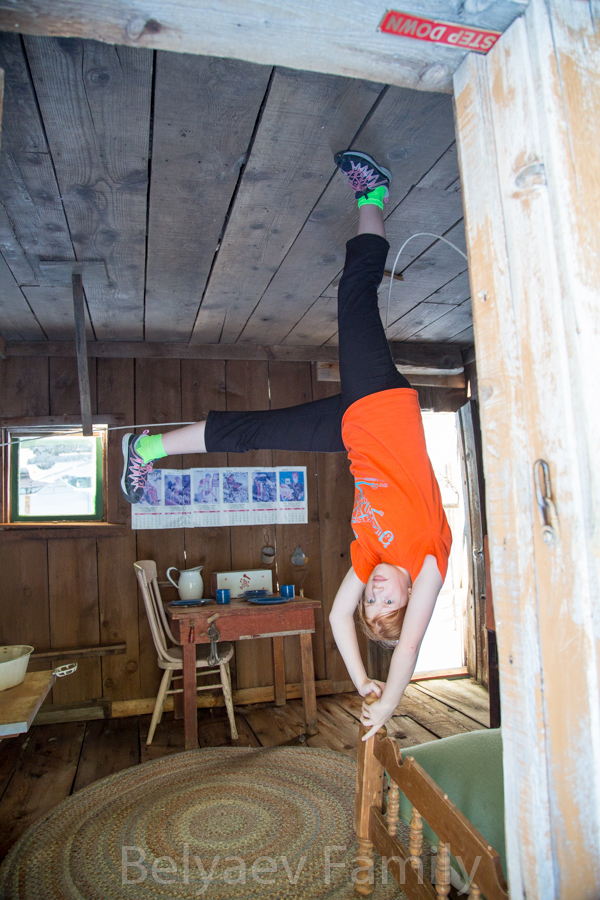
Ira is also falling
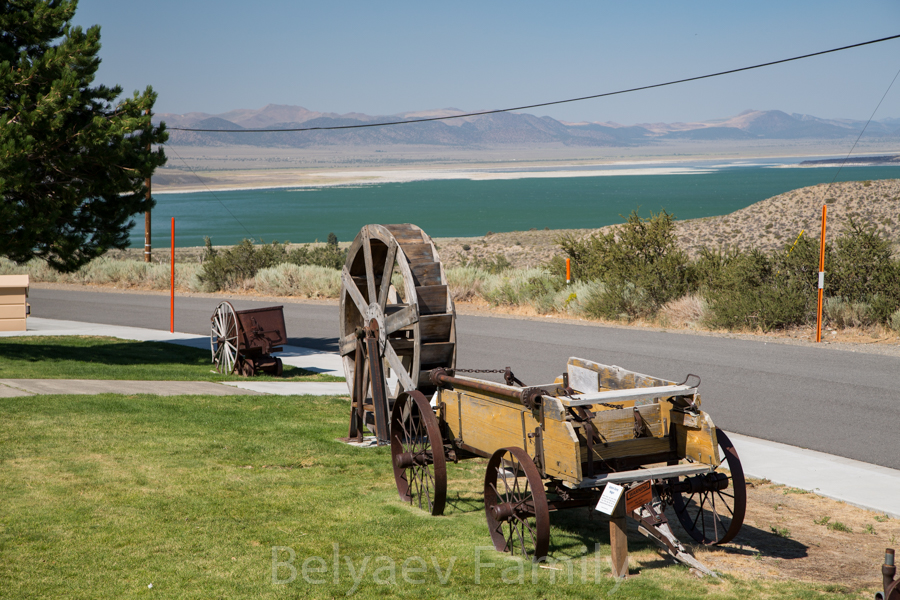
Mono Lake in the background
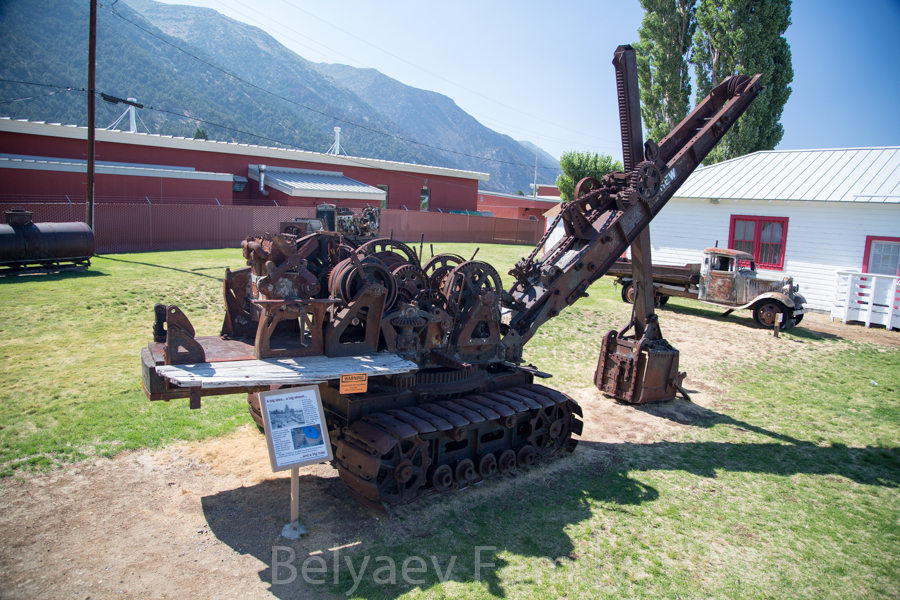
After lunch we were in the car again. Hopefully it will not be too late, and we’ll still have a chance to explore Bodie. It would be sad to miss the opportunity again. The park is open till 6 pm so we were hoping to have at least an hour to walk there.
As many other towns of that time, Bodie started as a miner camp. In 1859 the gold was discovered in that area by several people, one of them was W.S. Bodey. He died in the blizzard next November while making a supply trip and didn’t had a chance to see the rise of the town that was named after him. With the time the spelling of the name was changed to Bodie.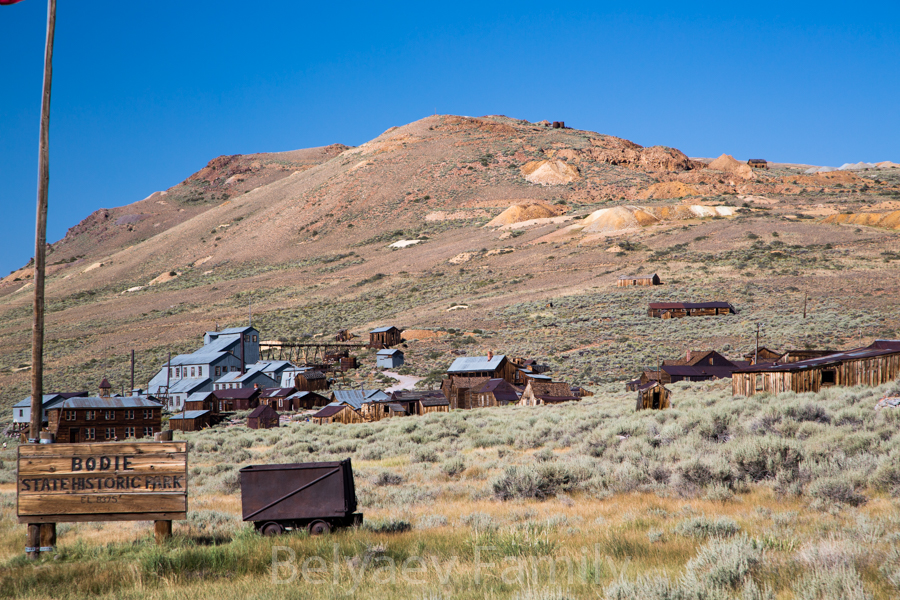
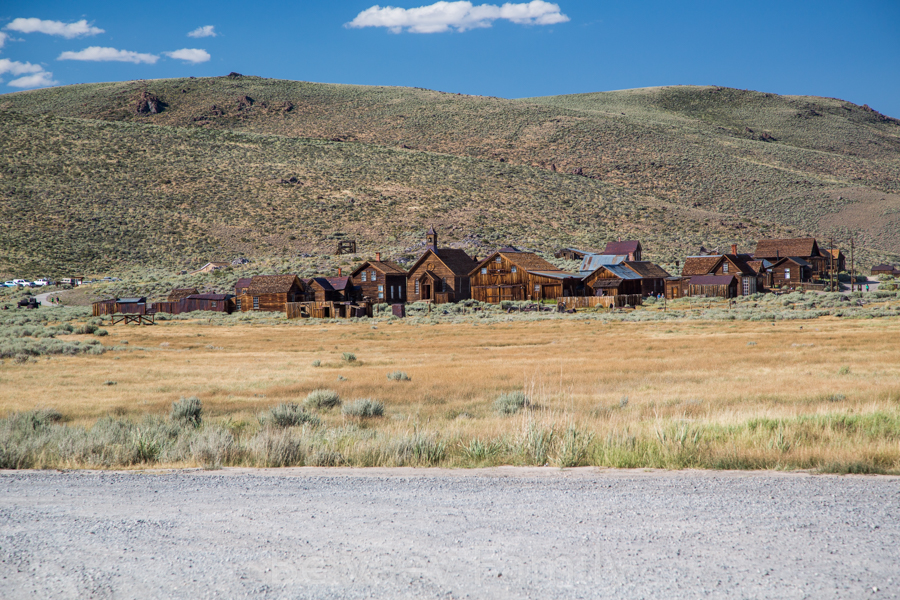
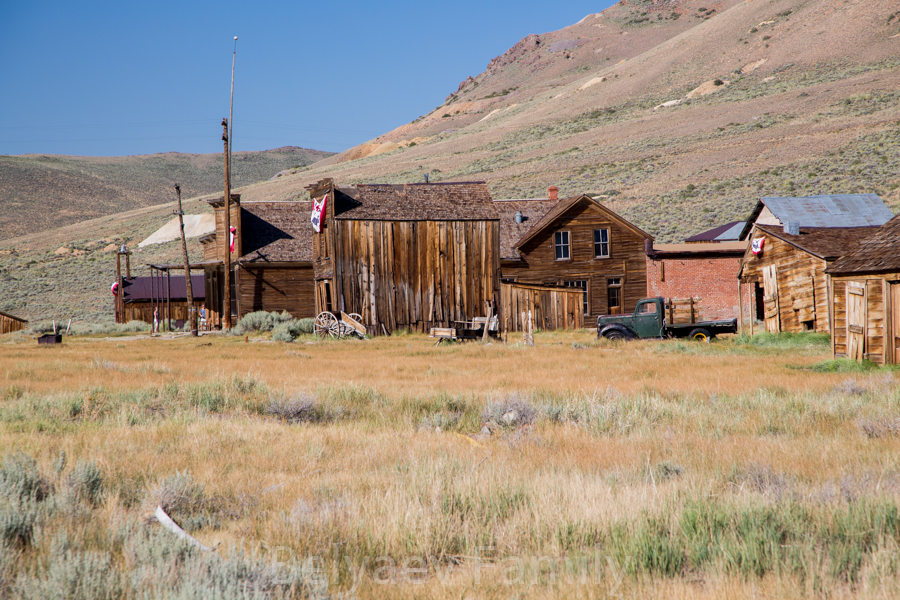
It was a coincidence that at the same time gold was found in nearby Aurora (rumor has it that Mark Twain lived in Aurora for some short time) and Virginia City. That’s why Bodie didn’t grow very fast. However a very promising gold lode was found in 1876, and that finding transformed town, people were lured to Bodie and population grew substantially. In 1879 there lived approximately 5-7 thousands people and there were about 1800 buildings.
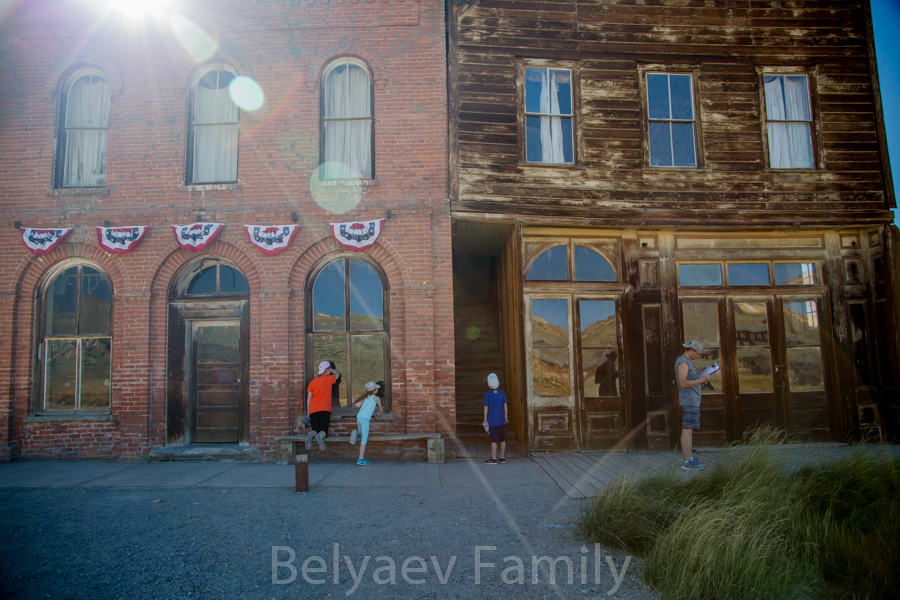
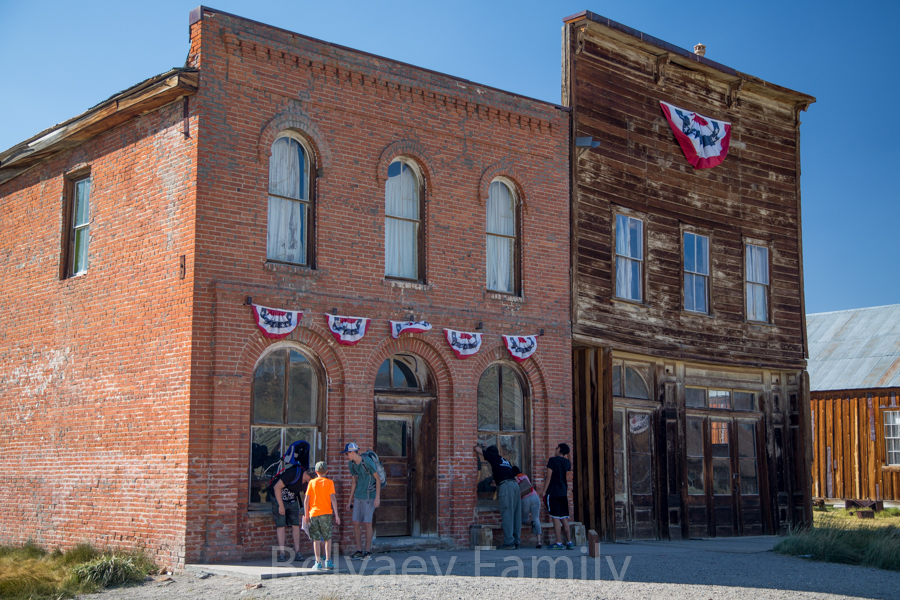
The Dechambeau Hotel and I.O.O.F. (Independent Order of Odd Fellows) Buildings
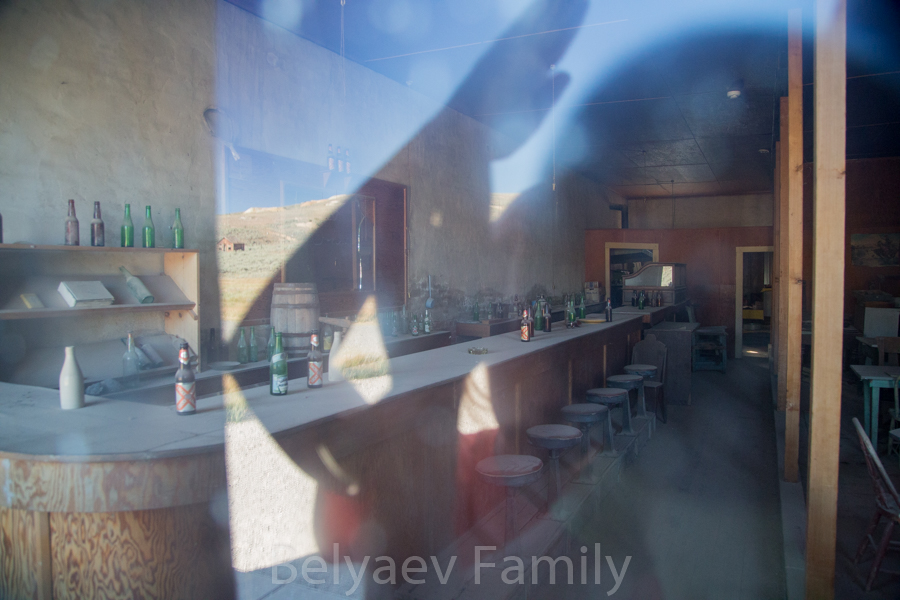
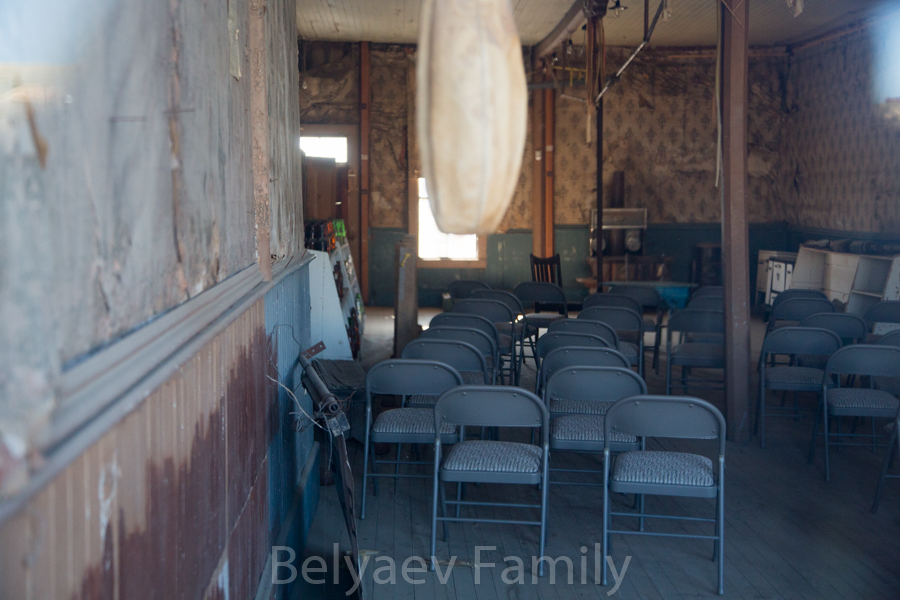
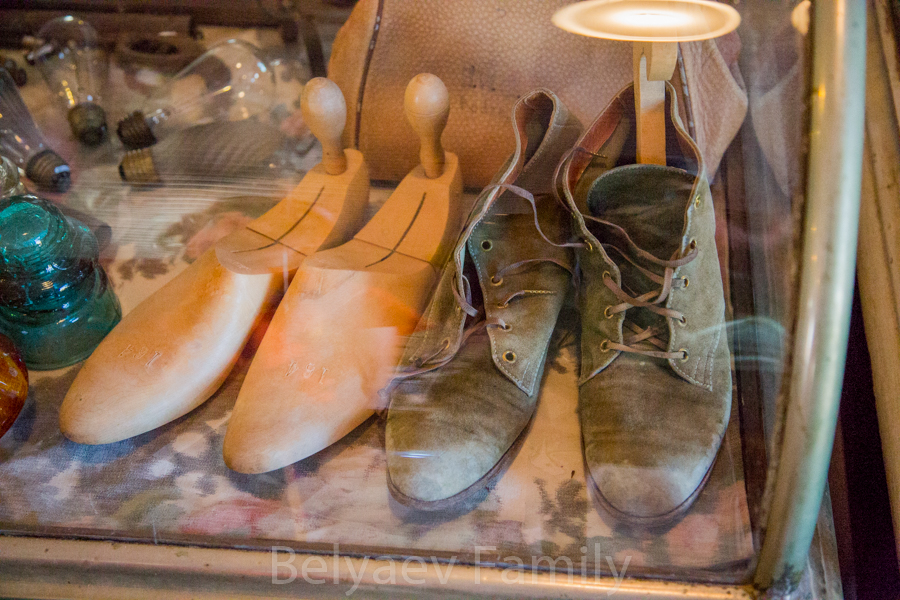
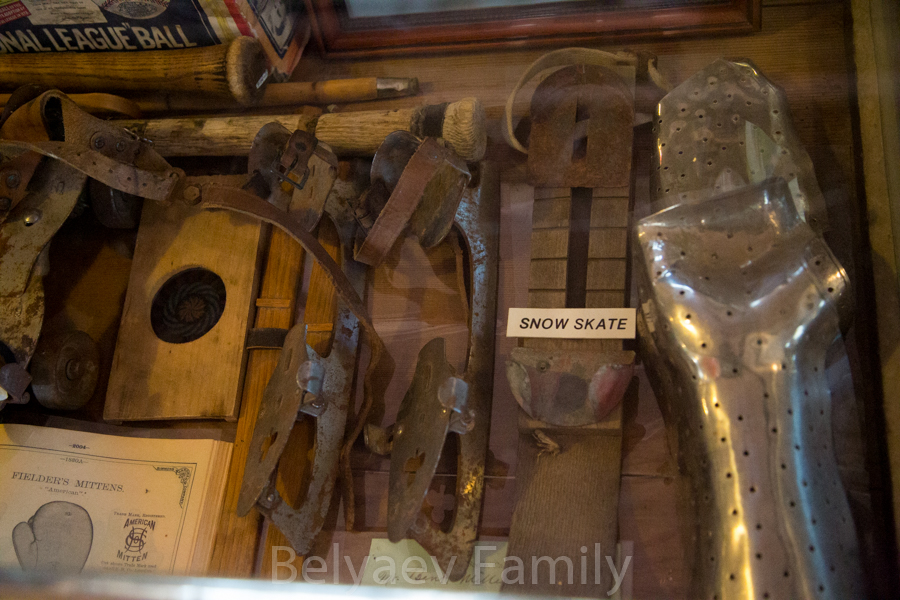
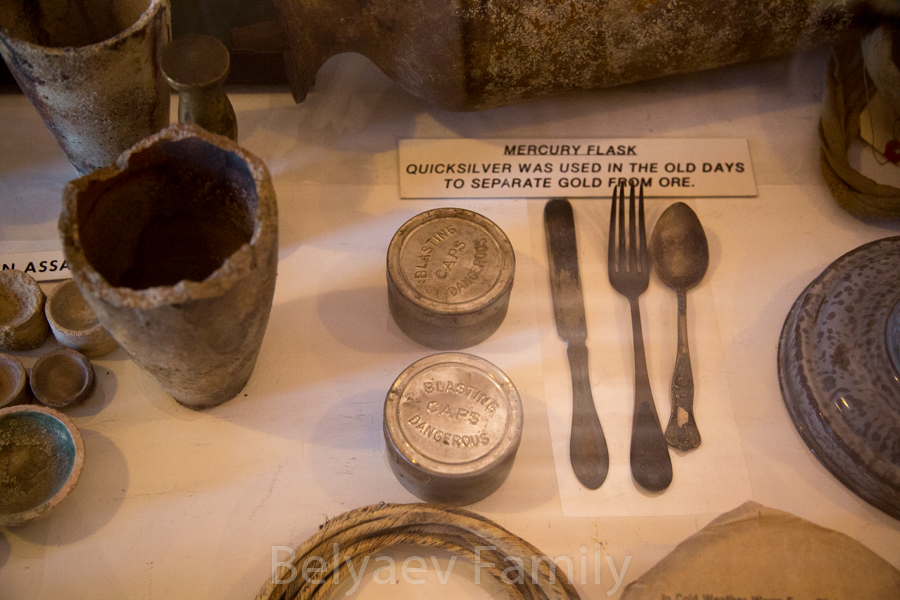
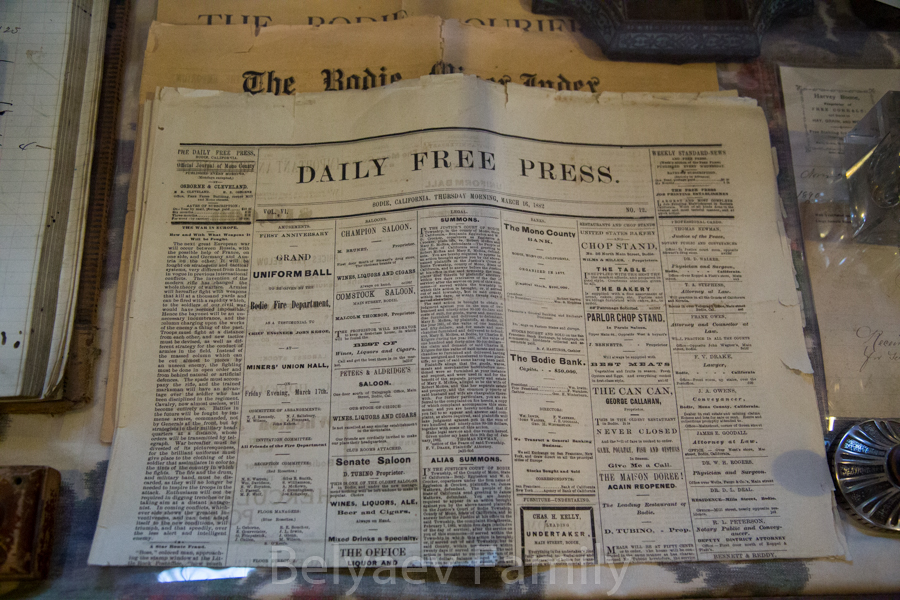
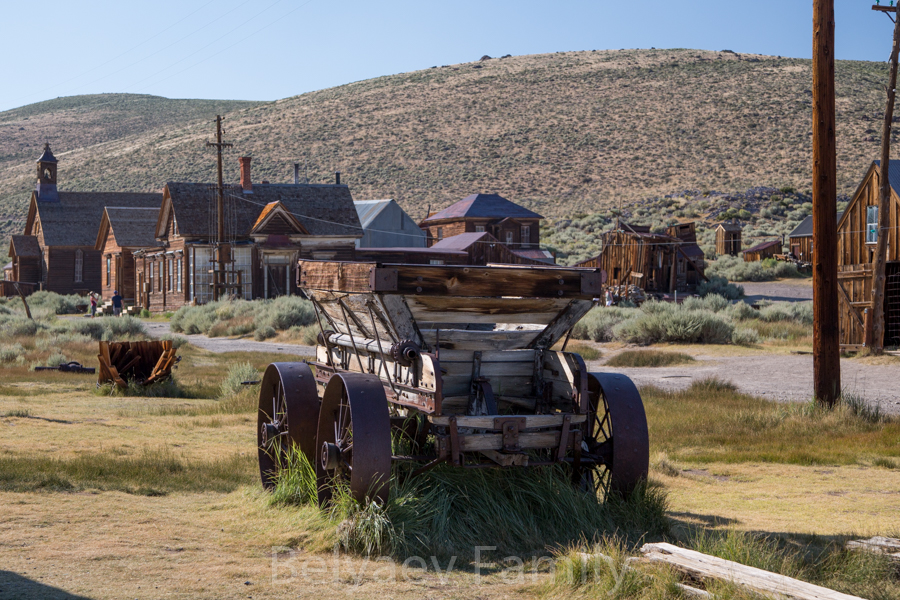
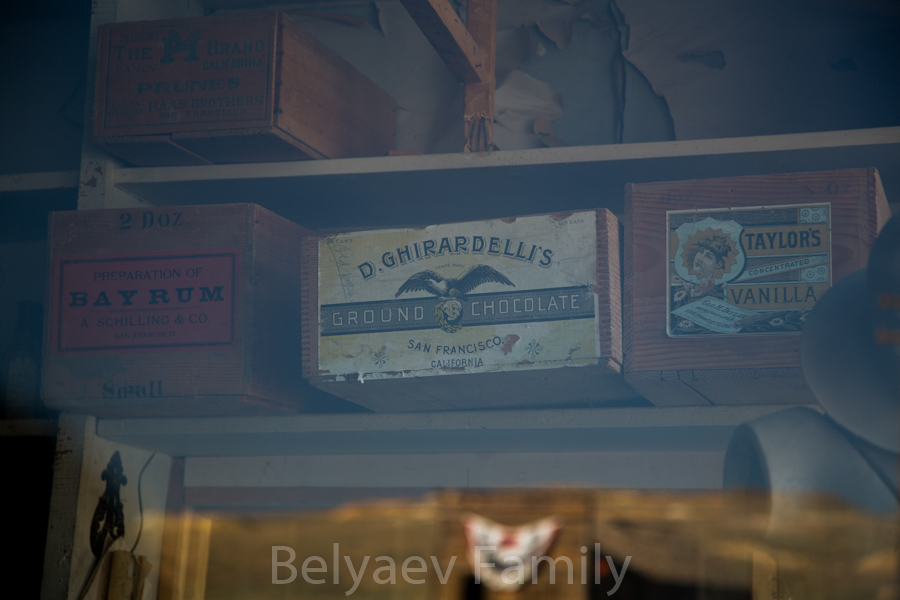
Inside the store
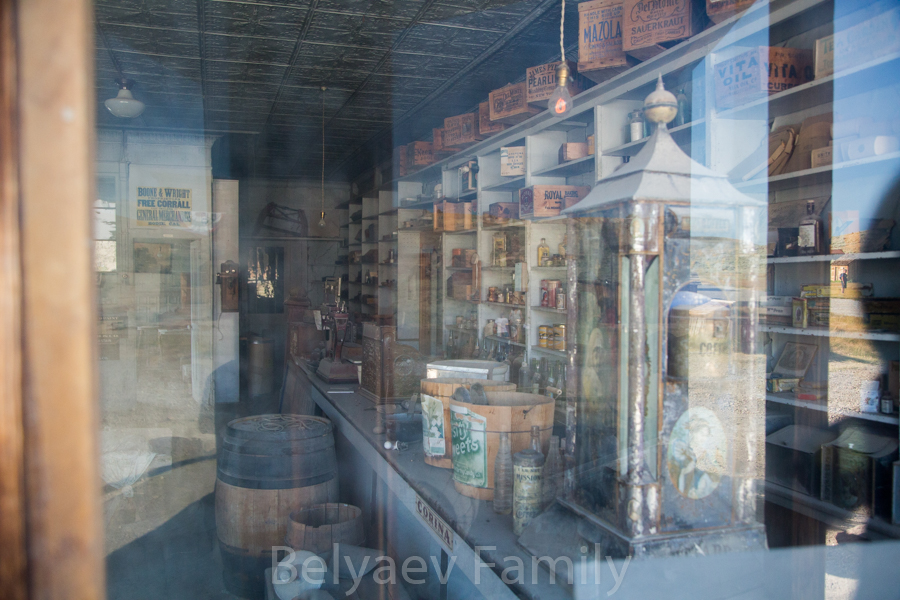
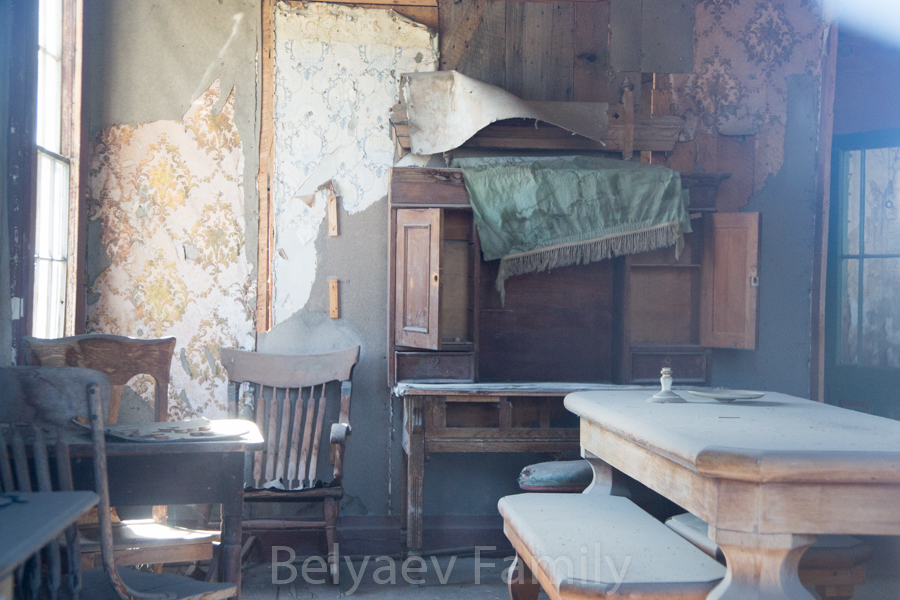
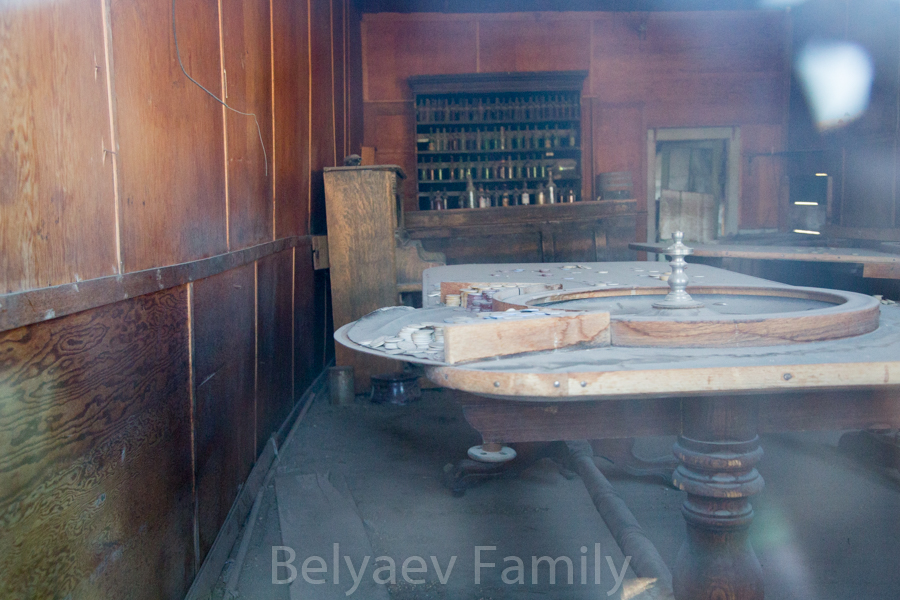
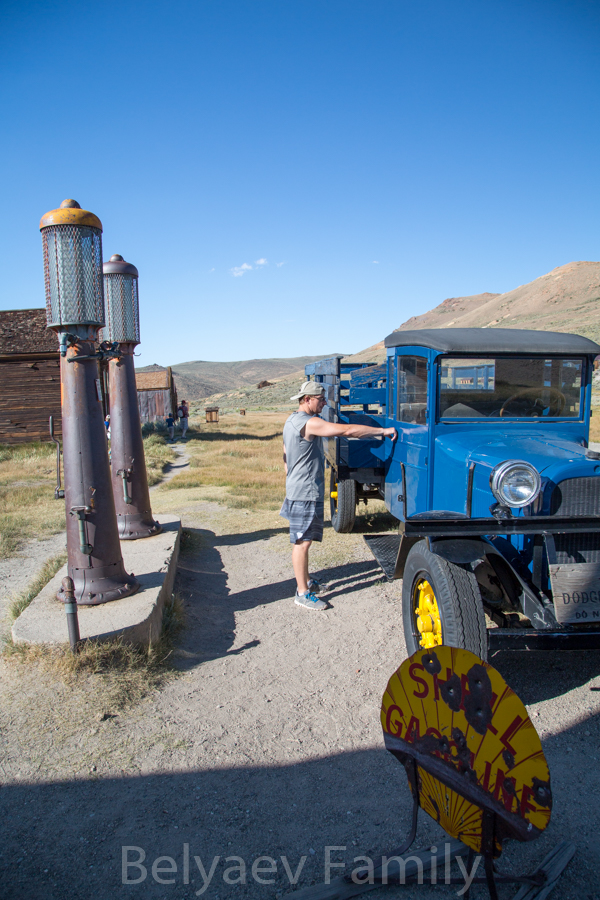
There was even a gas station!
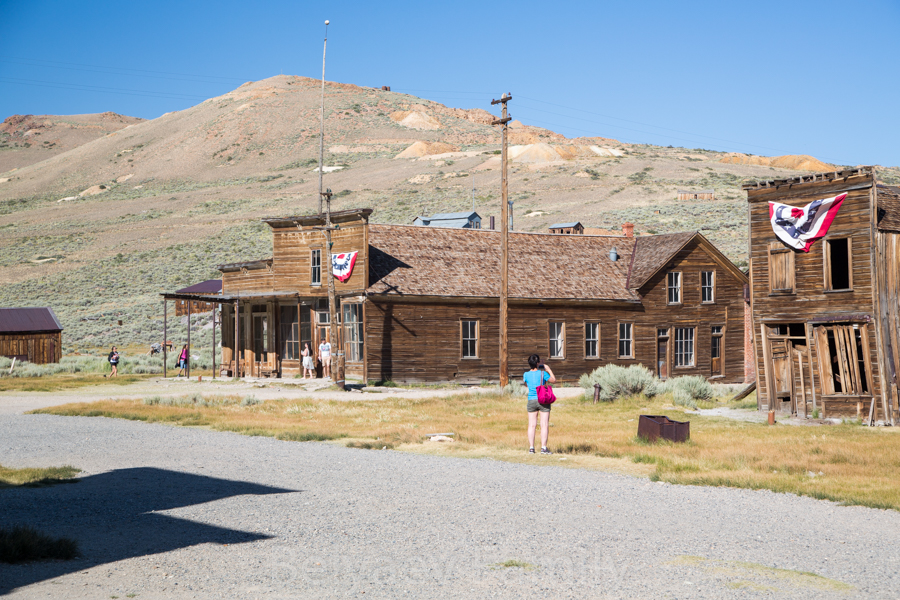
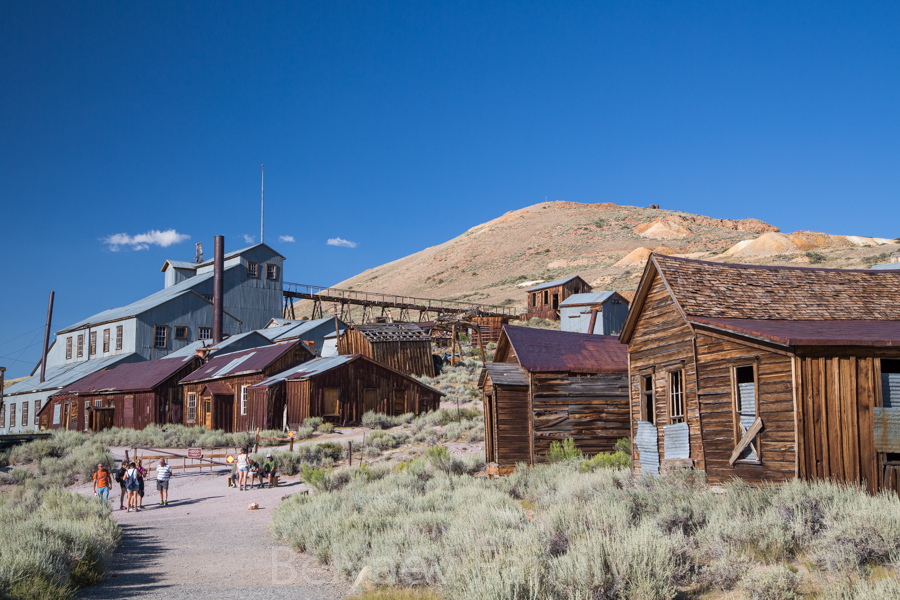
Like in any other town appeared during the Gold Rush, mostly single men who wanted to become rich lived in Bodie. For their attractions Bodie had many saloons and bars, in the nothern side of town was a red light district (it was clandestine though). Bodie even had an Opium dens. That made Bodie very dangerous place to live as well – shootings on the streets were daily events. To the right from the Main street was a Chinese District with several hundred residents at one point. During peak years, Bodie was second or third biggest city in California, having 7-8 thousands residents. There were 30 mines around the town, and 9 stamp mills.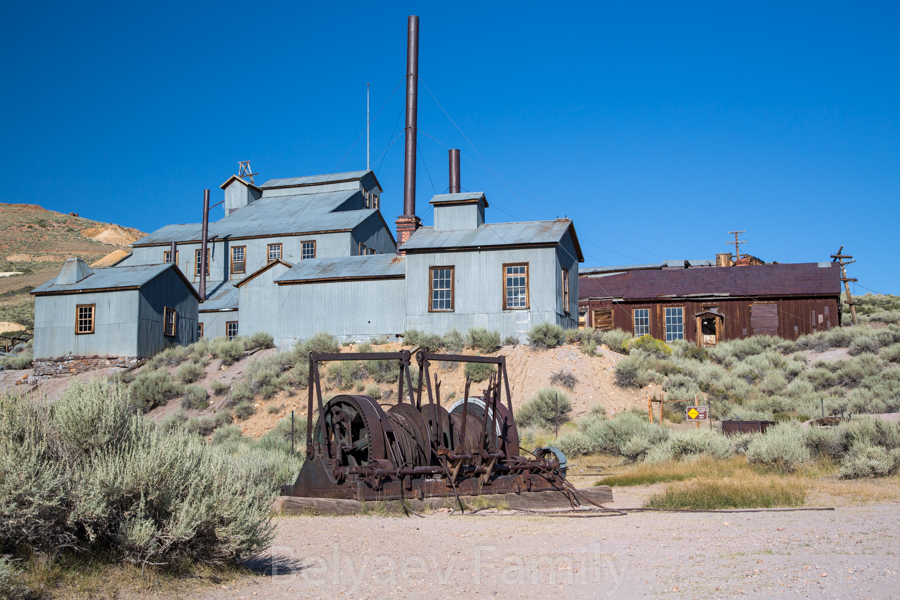
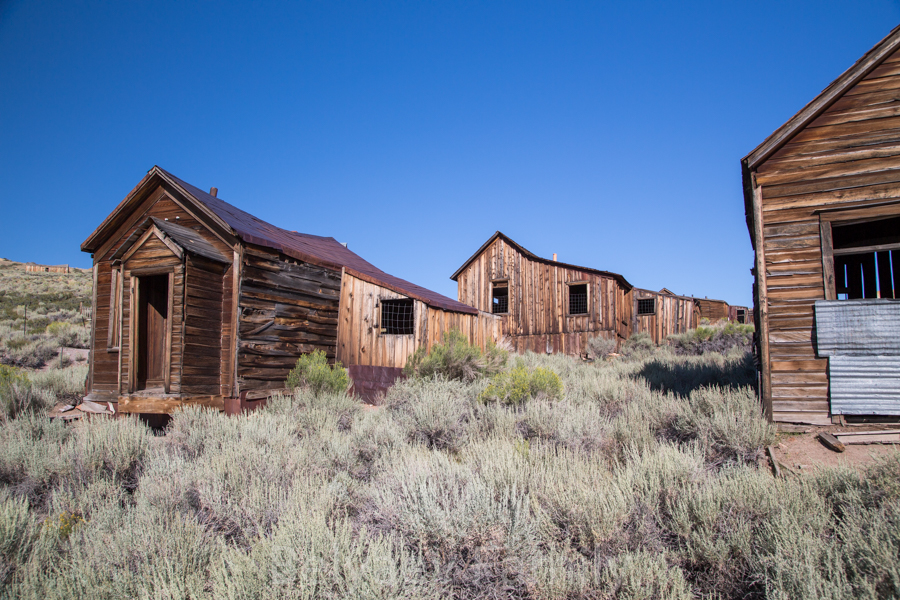
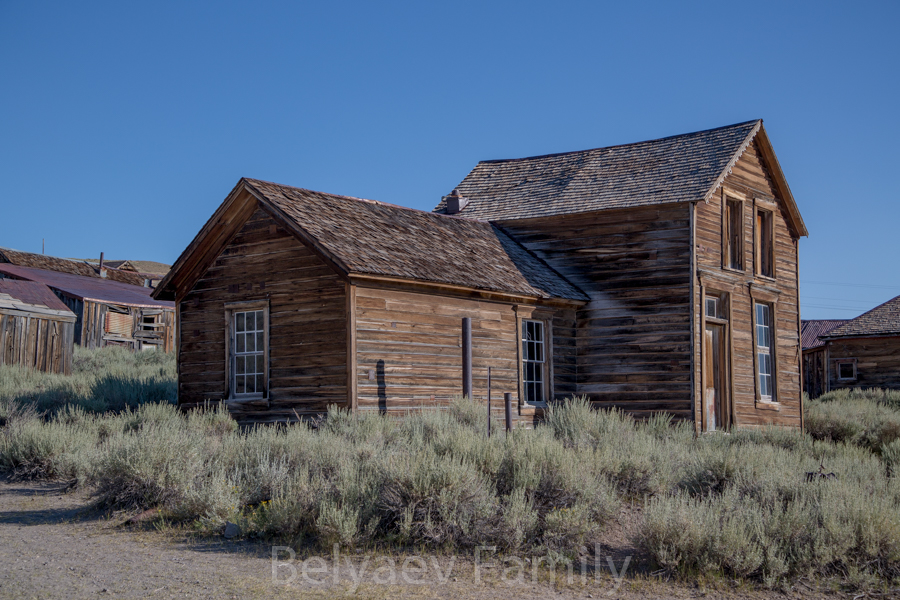
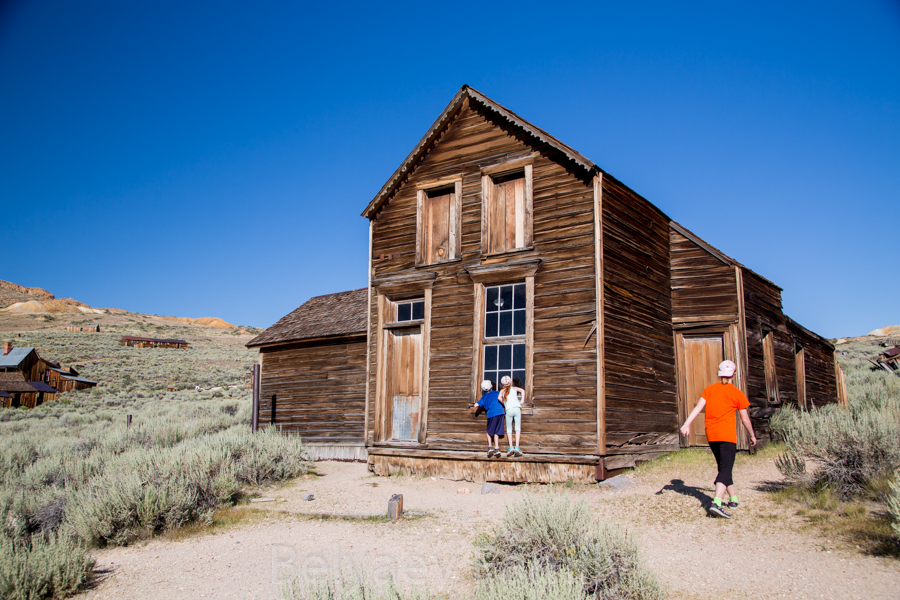
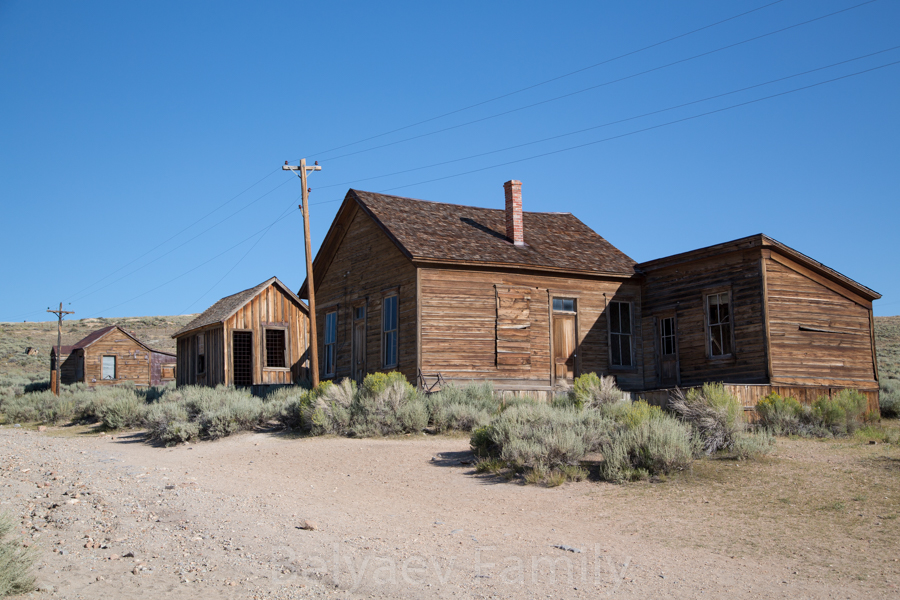
Guest house
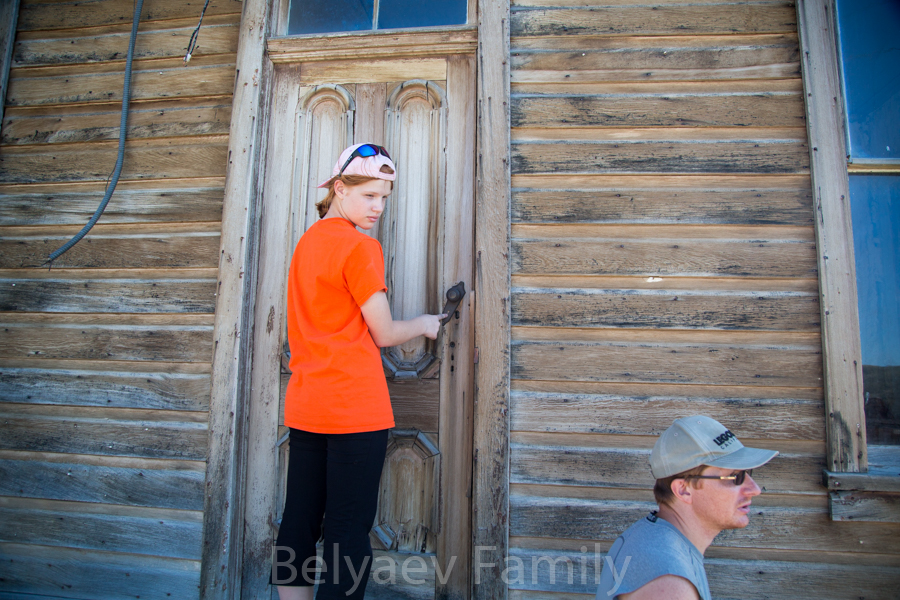
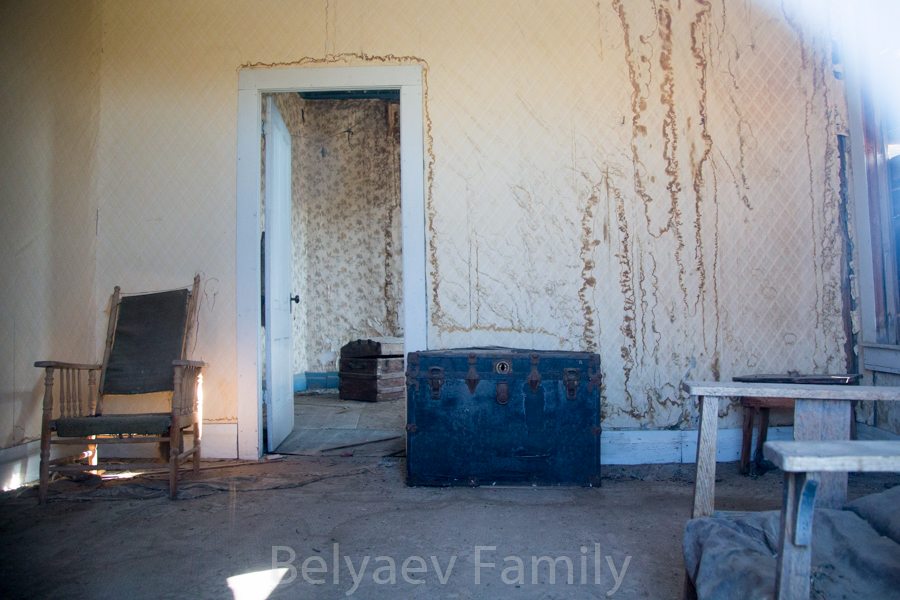
Rooms to rent
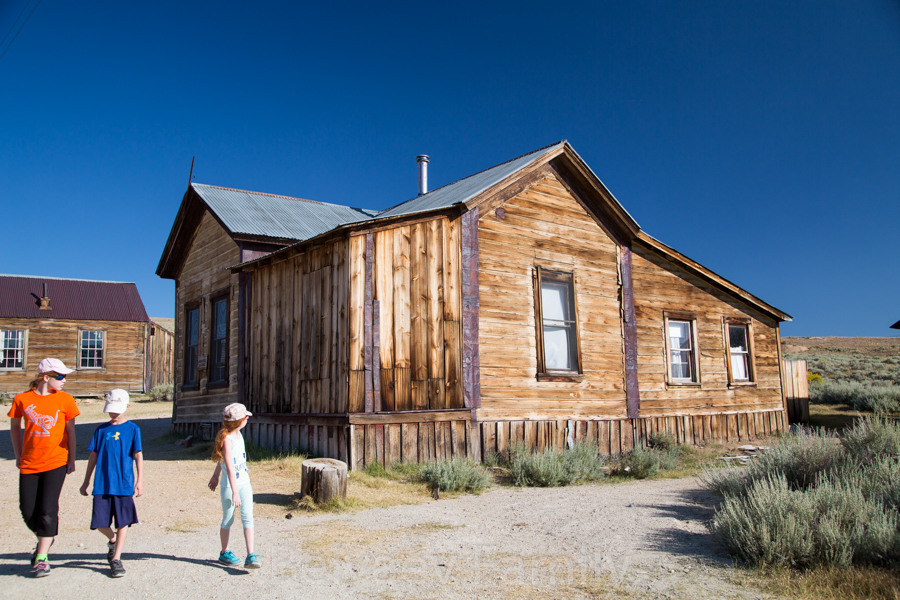
In the end of 1880s people began to leave Bodie. Living conditions there were harsh, and besides, the gold was found in Montana, Arizona and Utah. Single men were leaving, so soon the Bodie was transformed to a family oriented community. Two churches were build there – Catolics and Methodists, the last one is still standing nowadays. The need in wood was tremendous – it was used in mines for supports, for building, for heating during very cold winters. So in 1880s the narrow-gauge railroad was build, bringing lumber, cordwood, and mine timbers to the mining district from Mono Mills south of Mono Lake. In 1890 the new cyanide process allowed to extract the gold and silver from discarded mill tailings. Despite the population decline the mines were very profitable.
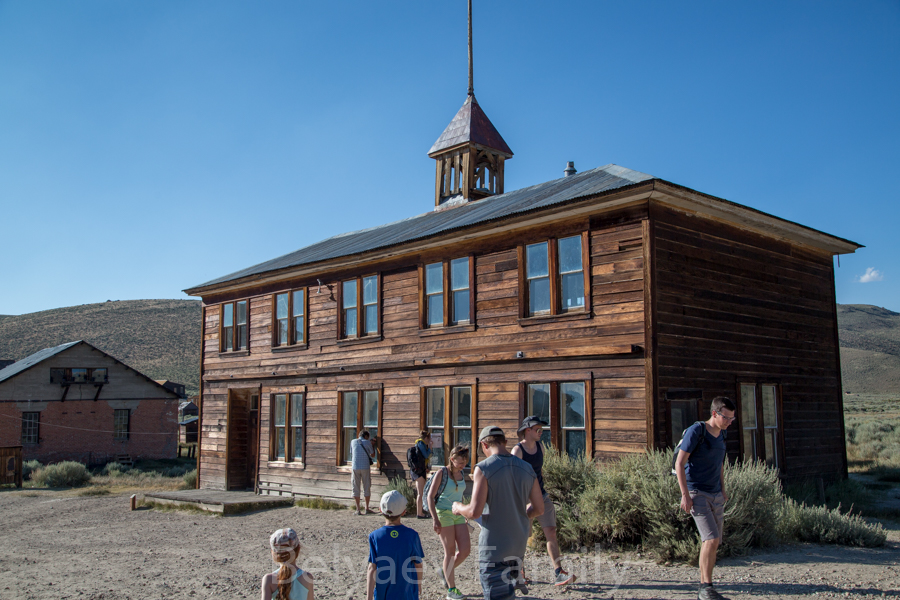
School
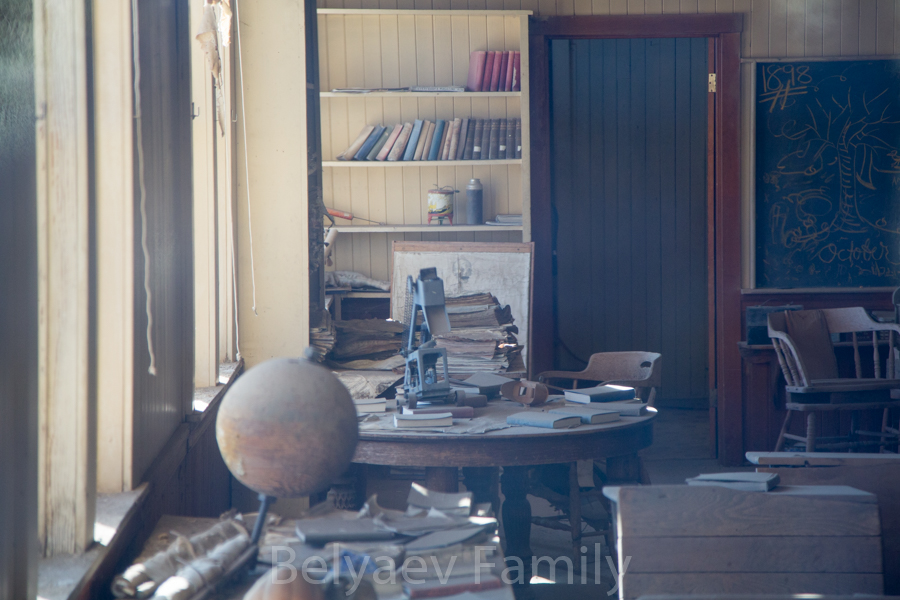
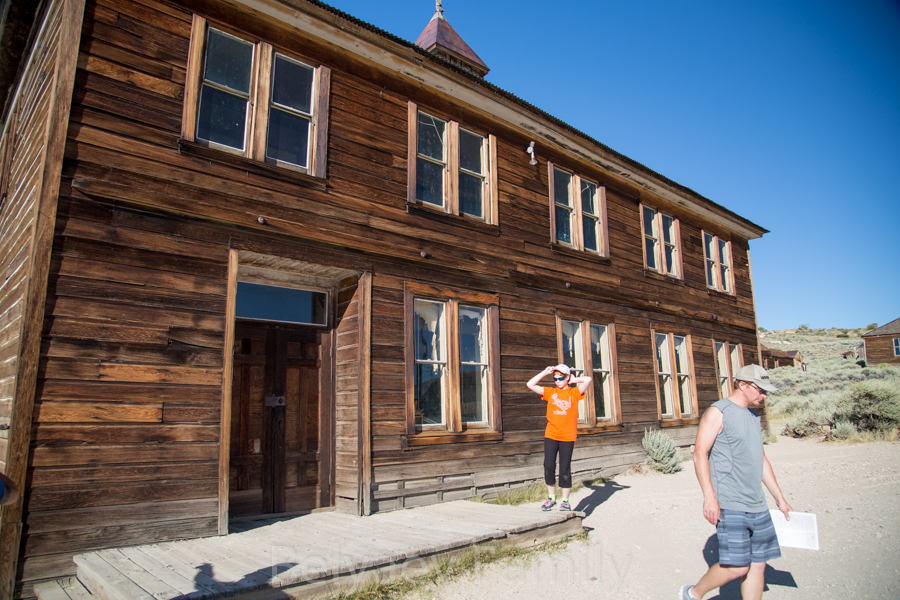
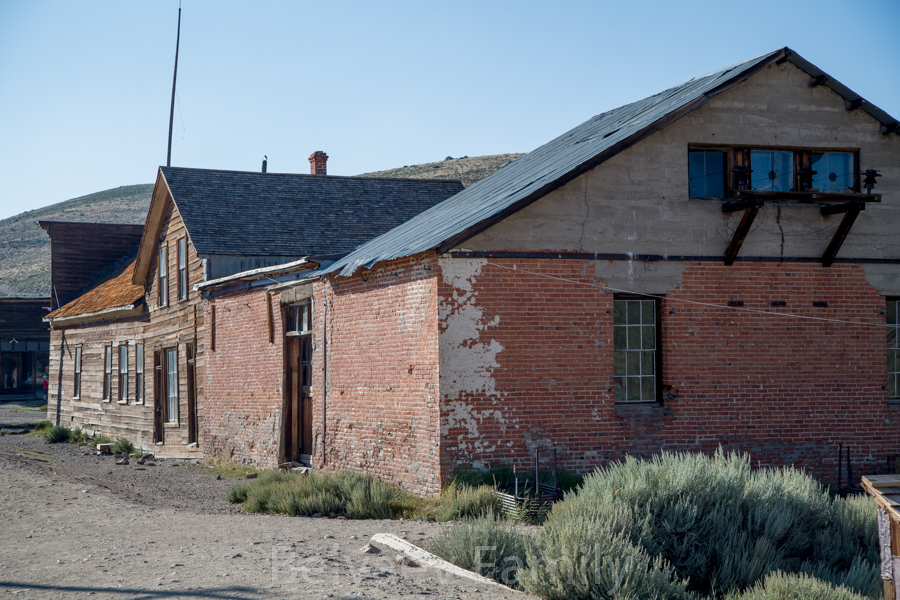
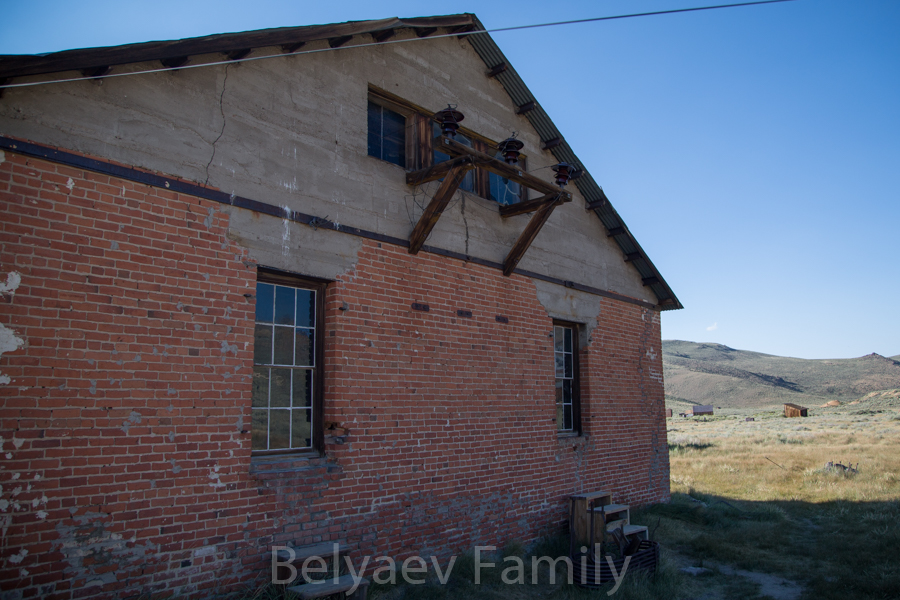
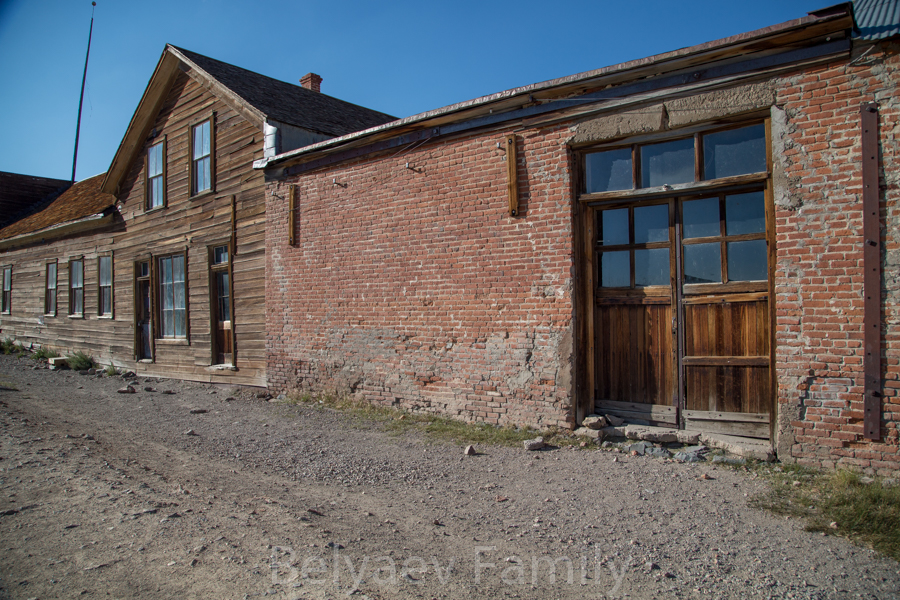
Power substation
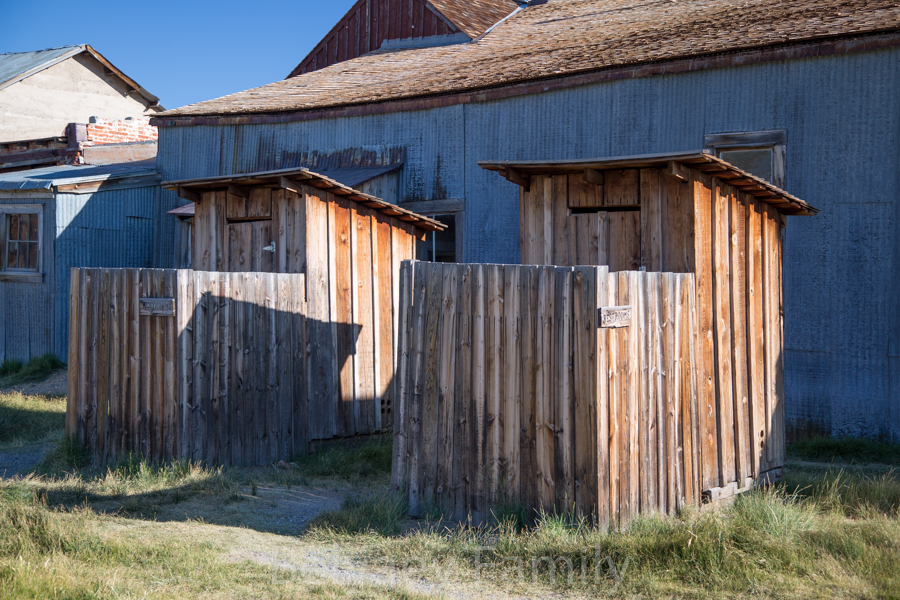
Restrooms
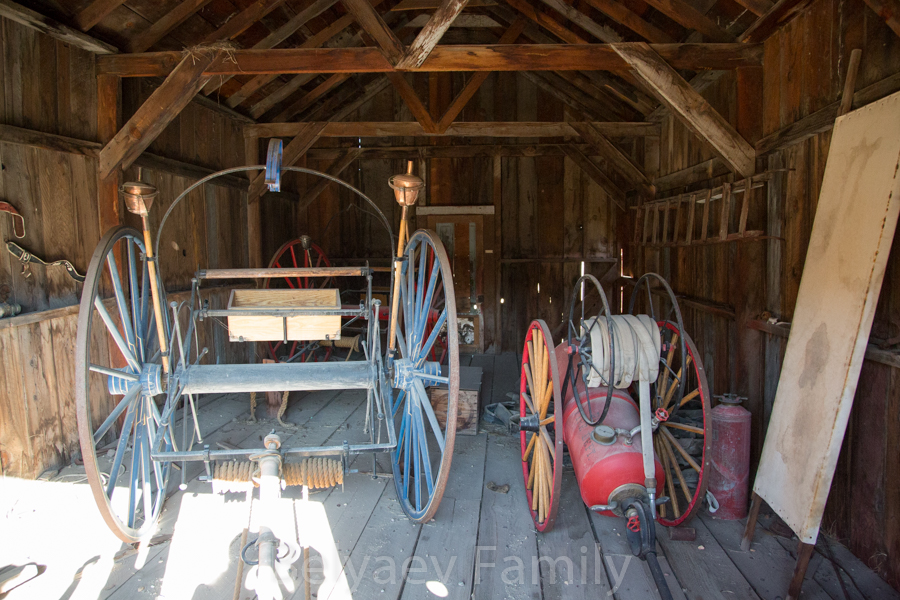
Fire station
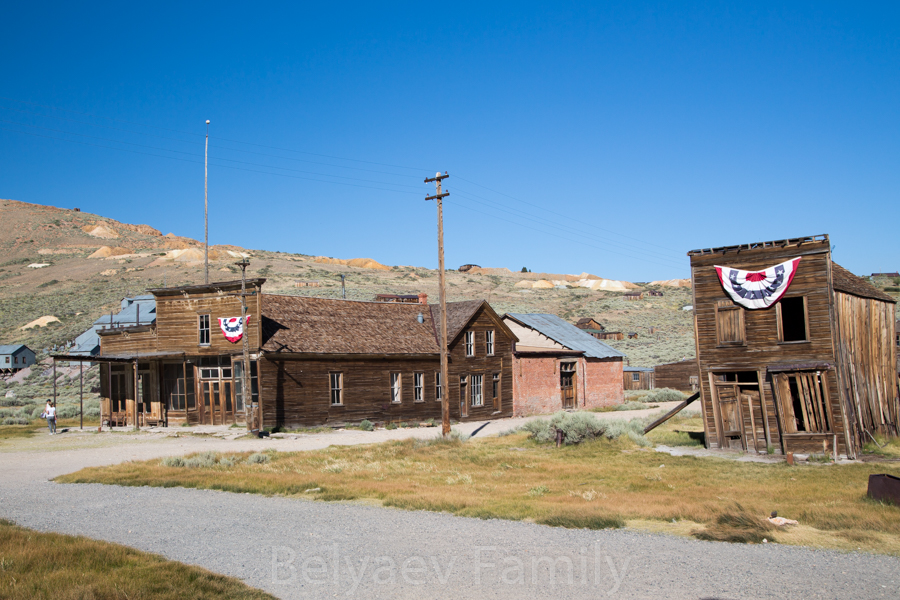
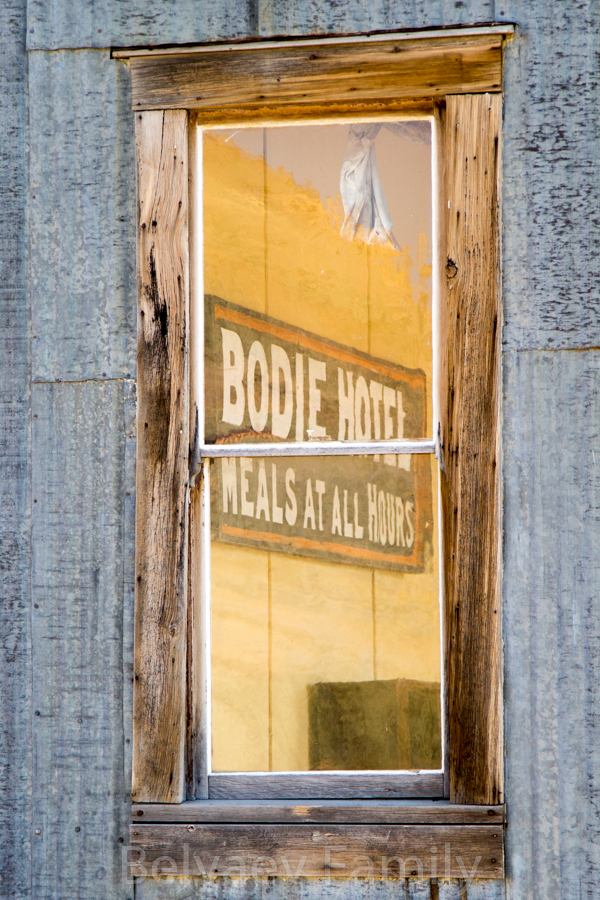
Hotel
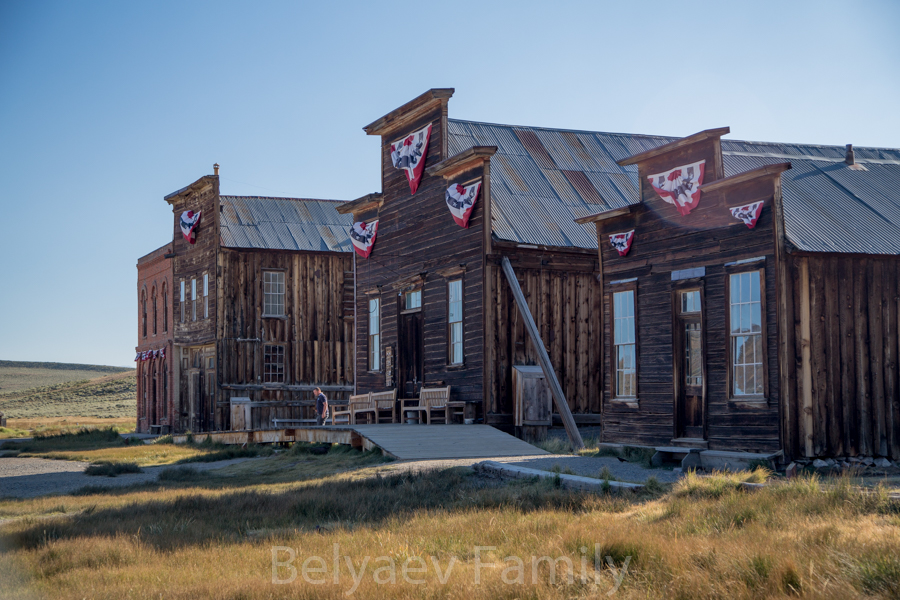
However Bodie ended up as many other towns. Last Bodie newspaper was printed in 1912, in 1917 the railroad was closed. By 1920 only 120 people still lived in the town. Strong fire ravaged almost all business centers in 1932. Post office was closed in 1942 and the mining was stopped at the same time.
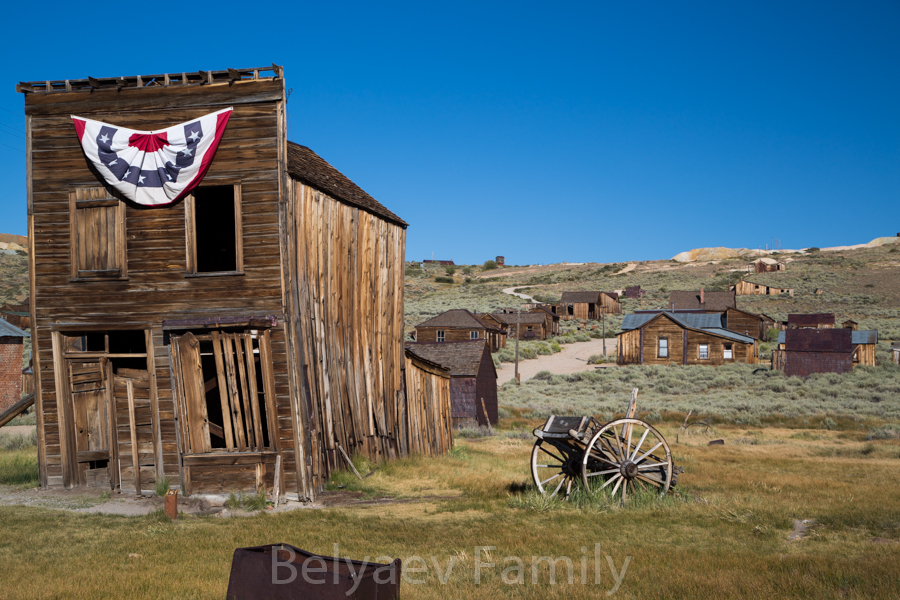
This was also a hotel
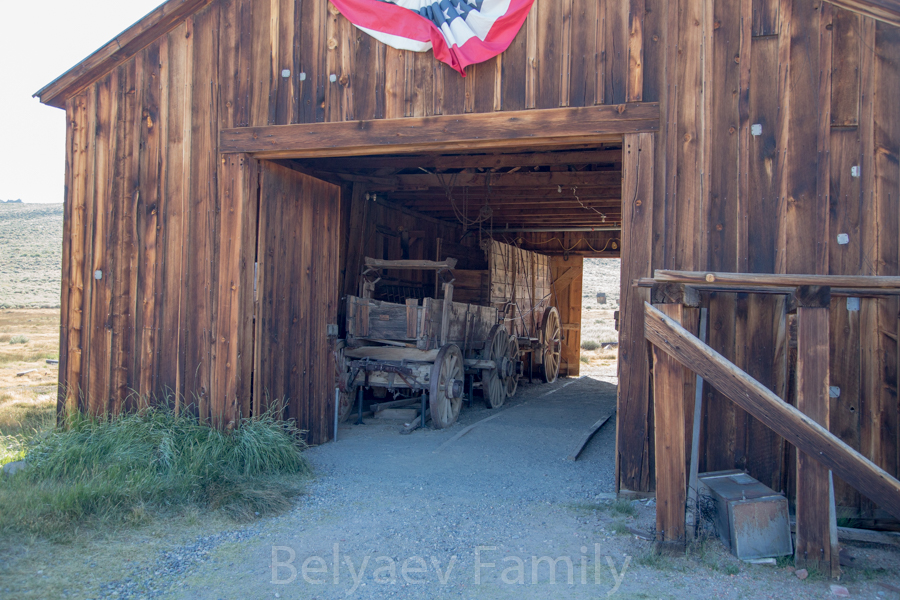
Stagecoach barn
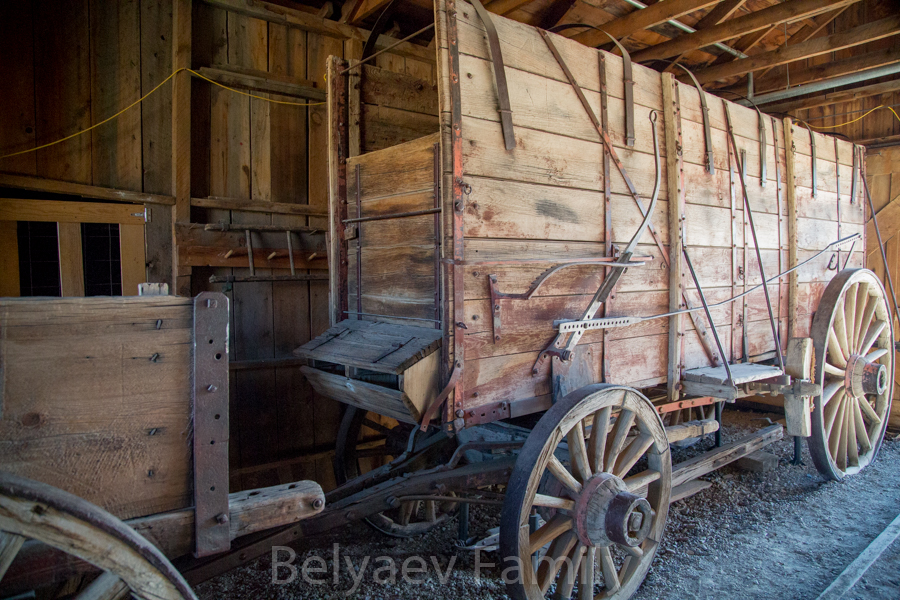
In 1960, the state historical park was founded to keep Bodie in it’s state. Building and interiors are kept intact.
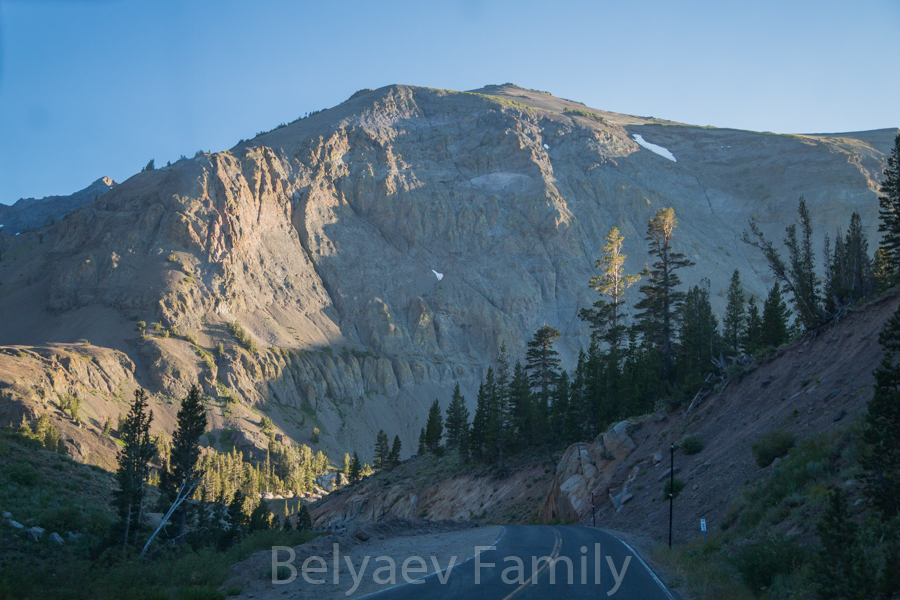
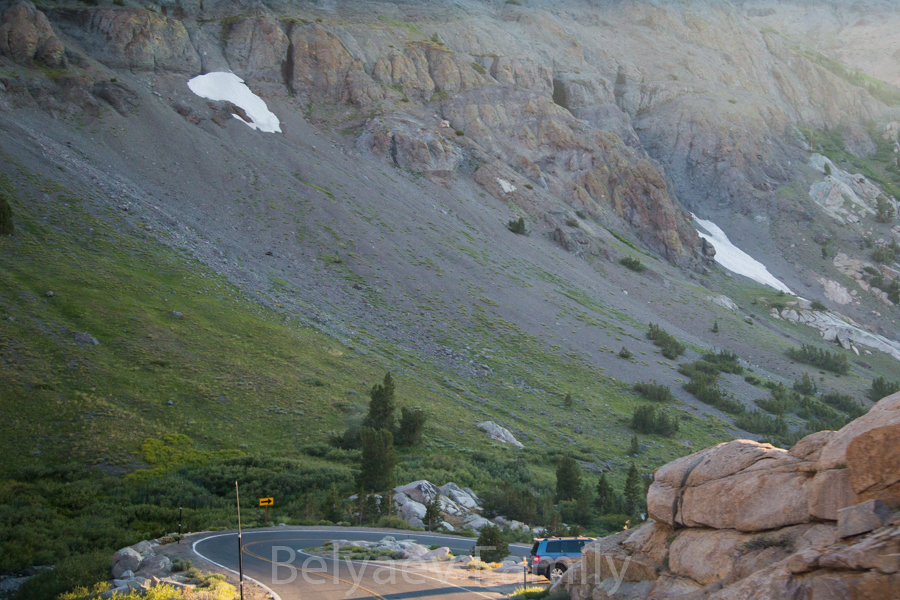
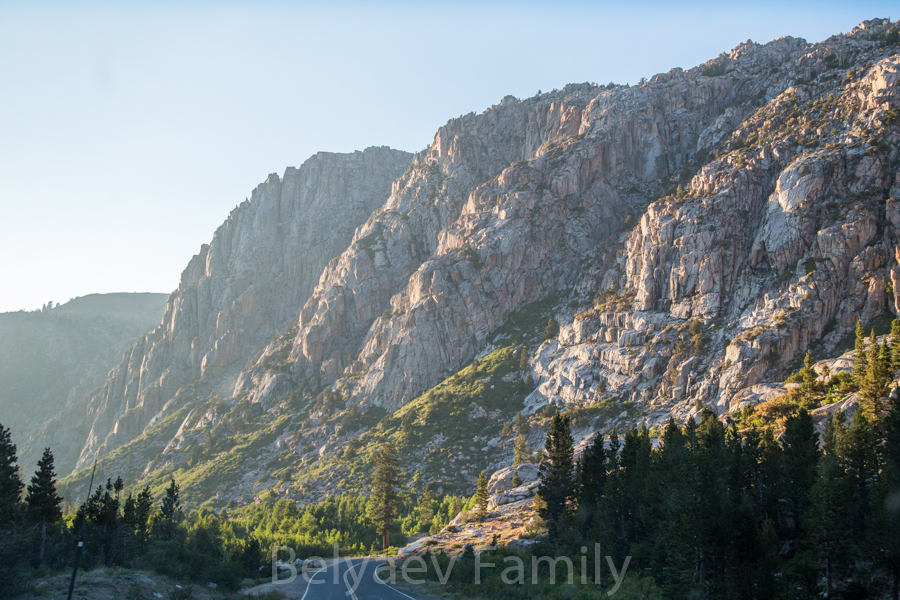
After park was closed we went toward San Francisco.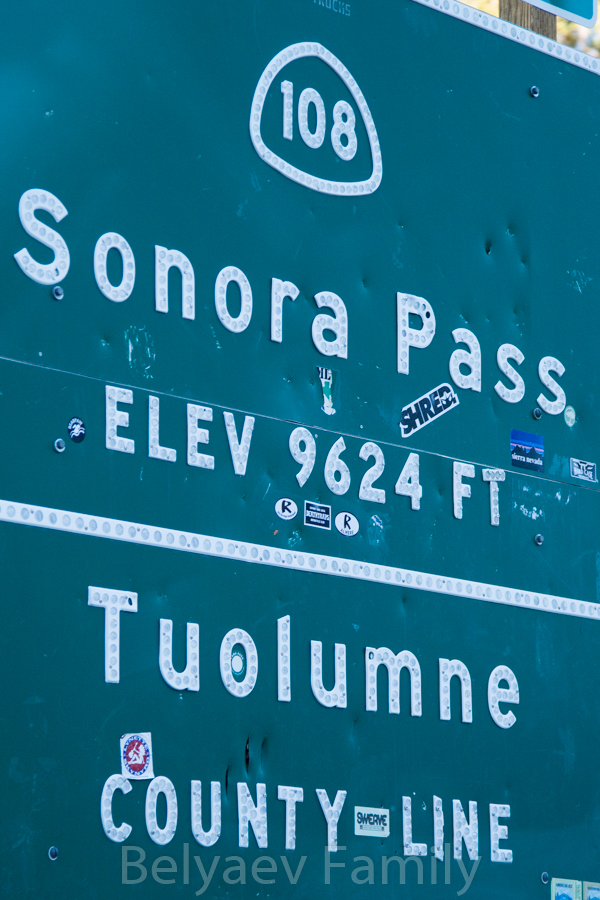
Part 46 here