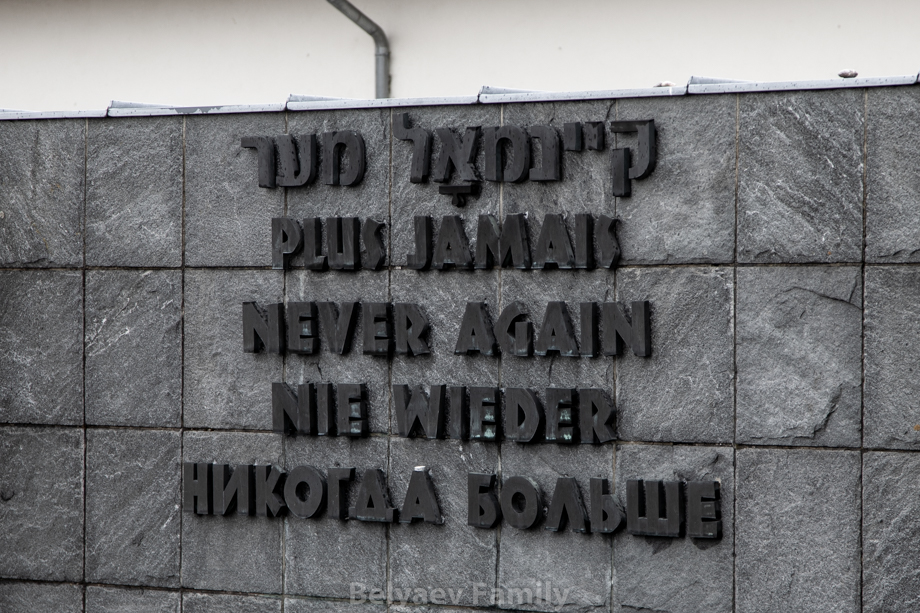


In the morning we didn’t spent to much time deciding where to go. There is Dachau, a World War II concentration camp, not far from here – in the town named Dachau. The place we must visit.
We arrived there early, the museum just opened, and parking lot was pretty much empty, but cars came one after another so it will not be empty for a long time. After tickets were bought, we entered the camp’s territory.
The Dachau concentration camp, one of many existing camps in Nazi Germany, was founded in 1933 firstly for the political opponents. Later thousands of Jewish people – more than 10,000 – were sent here. As soon as Third Reich started to occupy other European countries, their citizens were sent to the different concentration camps including Dachau.
The entrance ‘greeted’ new coming prisoners with metal gate with the words ‘Arbeit macht frei’ – work will make you free. On the roof of main administration building, that was built by prisoners themselves in 1938-39, the text was painted in large letters, stated: ‘There is path to freedom. It’s milestones are: Obedience, Honesty, Cleanliness, Sobriety, Hard Work, Discipline, Sacrifice, Truthfulness, Love to thy Fatherland’. Needlessly to say that no one was set free no matter how hard they work and followed the rules.
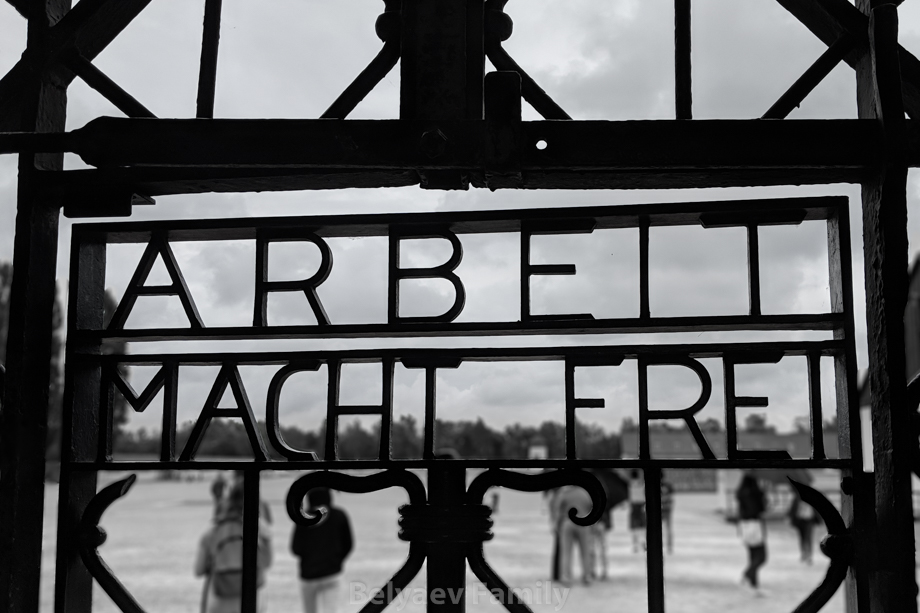
Work will set you free
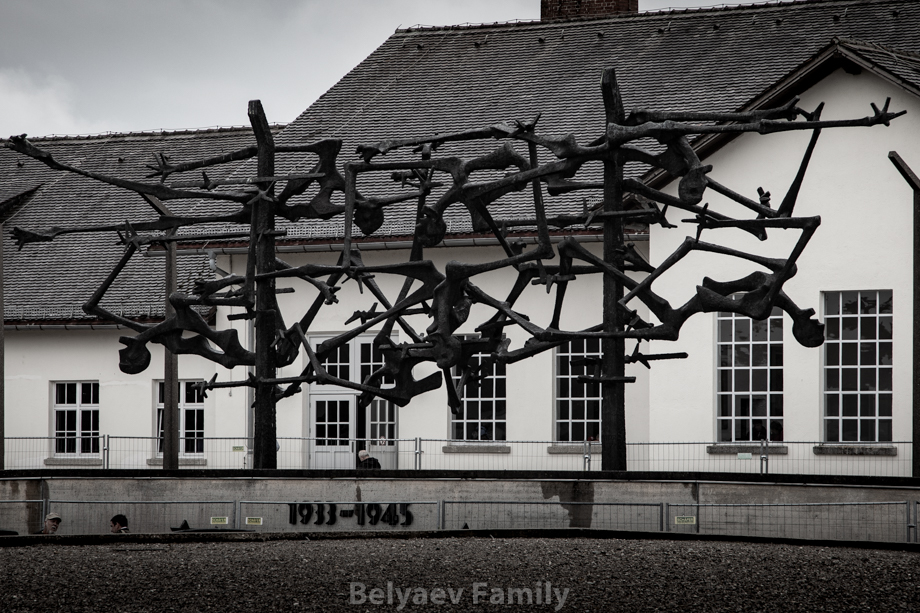
The Monument in front of the Museum
In 1933-1937 the prisoners were held in the empty brick workers’ barracks of the former gunpowder and munition factory. Each barrack was divided into five so-called Stuben (rooms), which served for both common room and sleeping quarters for approximately 50 inmates..
The floor in the barracks was a holy space. No one allowed to walk there even in slippers, only socks or bare feet. The mattresses were straw mattresses, most of them torn. The checkers on the blankets were required to be in straight lines. The bed inspection happened every day and if the guards didn’t like something, were in the bad mood or drunk, they would rip off the beds and throw mattresses, head rests, and blankets, as well as other personal belongings outside into the dirt and rain. Prisoners had to move everything back, set up the beds, clean the floor and outside of the barrack – not even a smallest straw should be found there.
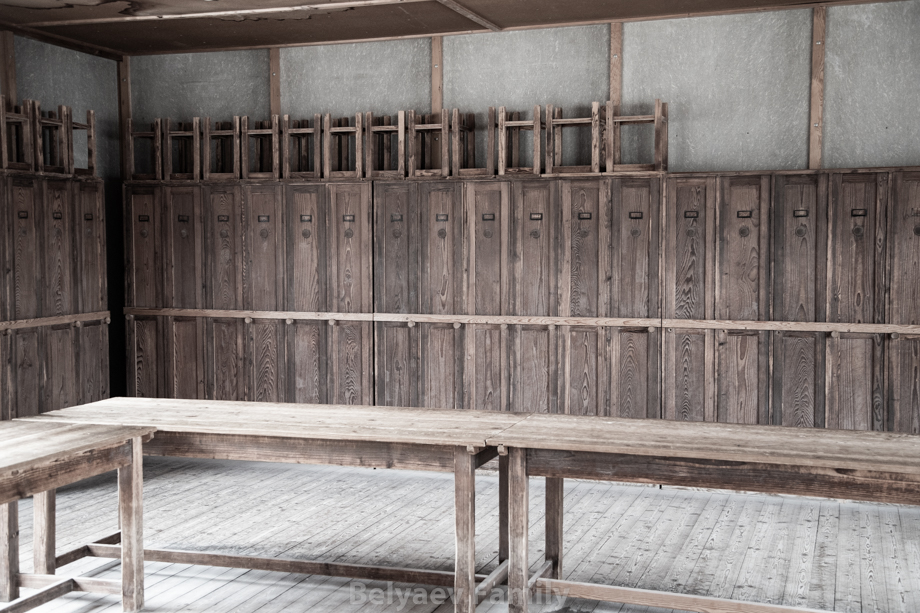
Common room
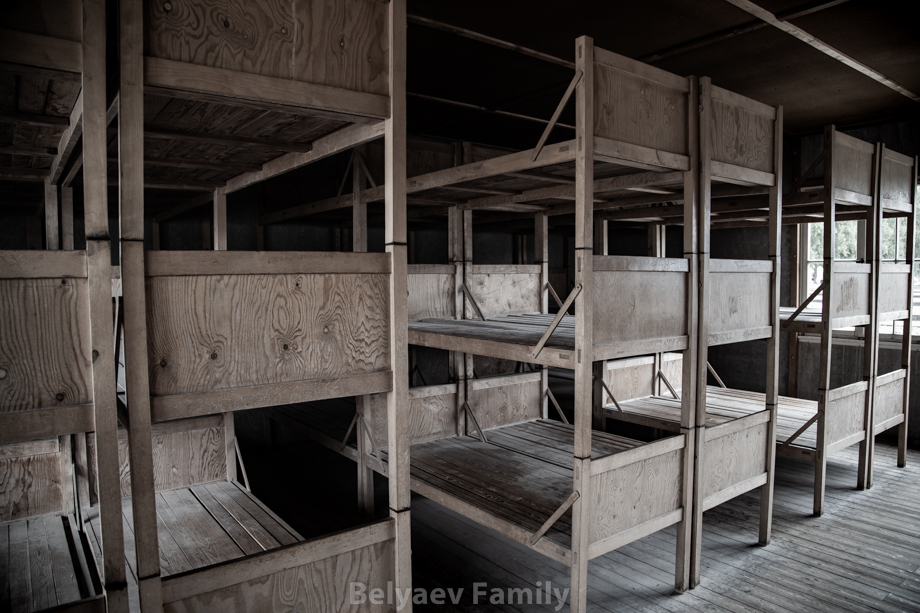
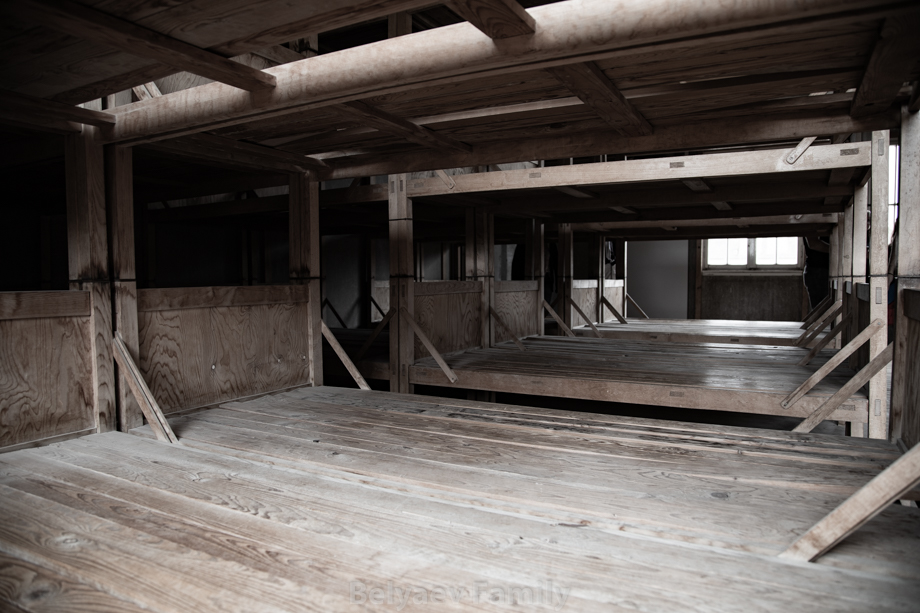
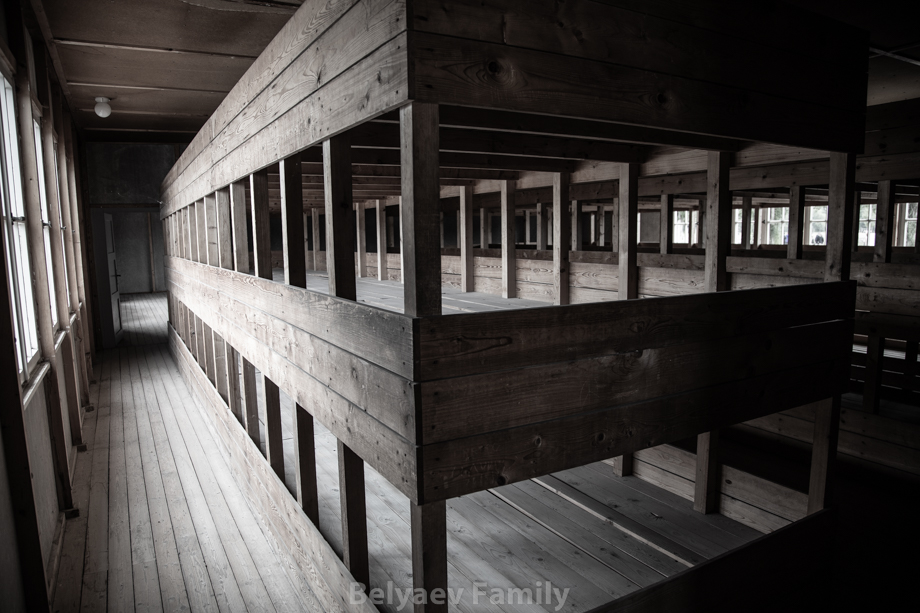
Sleeping quarters
 The prisoners were used as forced labor in the nearby munition factory and for expanding the camp. In 1937 prisoners began to build large complex of buildings on the grounds of the camp. Beside the concentration camp, it included a leader school of the economic and civil service, the medical school of the SS and so on. Hundreds of prisoners died during the medical experiments held here – Nazi scientists explored the hypothermia and decompression and many others. The construction was officially completed in 1938 and stood unchanged until 1945.
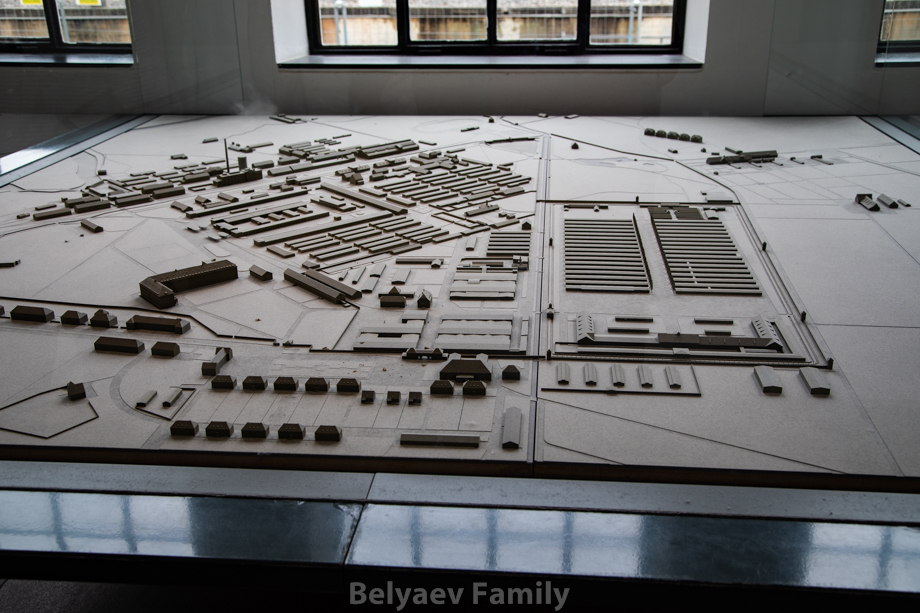
The maximum capacity for the newly built concentration camp was 6,240 prisoners. Each barrack – total of 30, consisted of four Stuben, each has a common room and room for sleeping quarters. In the sleeping area 52 prisoners could sleep, and one toilet and washroom for two Stuben.
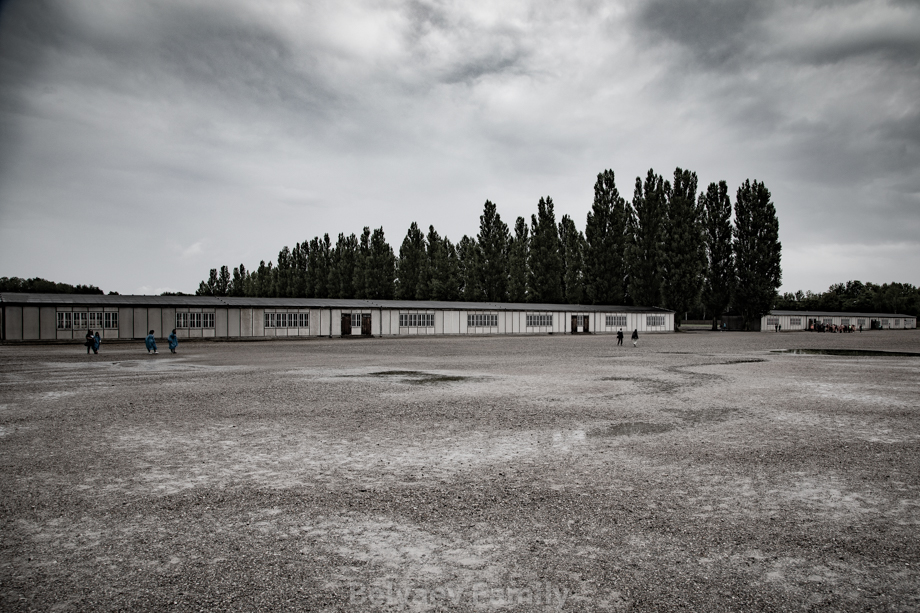
Two reconstructed barracks
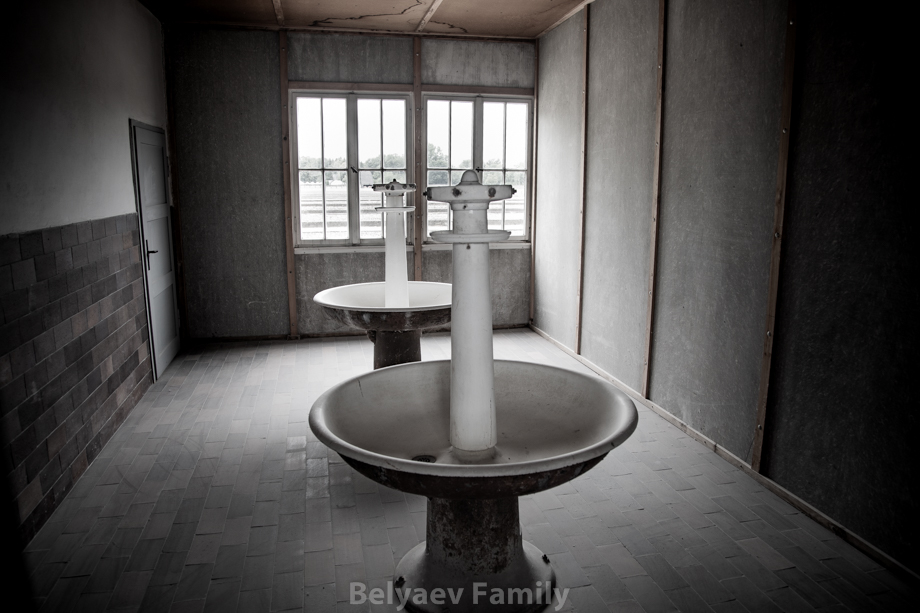
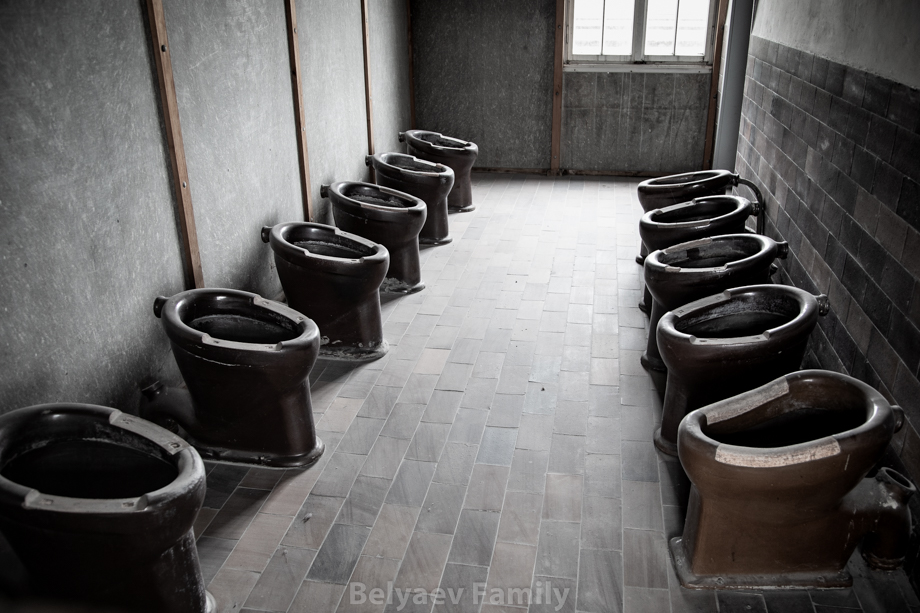
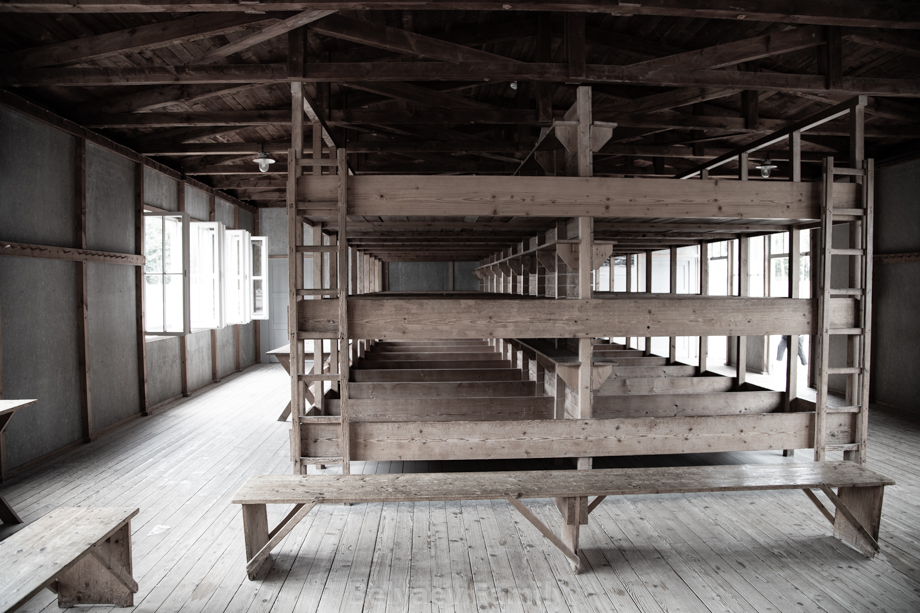 As war had started, the more and more people were sent here and by 1940 the number of prisoners rose to 10,000. The sanitary facilities of the overcrowded barrack were entirely insufficient. In the morning hundreds of prisoners had only a few minutes, and that wasn’t enough, to crowd in the toilet room or washroom to finish the morning routine. As with many other things, SS found a ways to use the hygienic facilities to harass, humiliate and punish the prisoners. As one of the punishments was used the pole hanging – when the hands are tied behind the back and then prisoner had suspended on a pole with his feet just above the ground for one hour.
With losing positions in the war, starting in 1944, other concentration camps were evacuated, that brought the number of the imprisoned in Dachau up to 30,000. Some barracks held up to 2,000 prisoners, and that made their existence there unbearable.
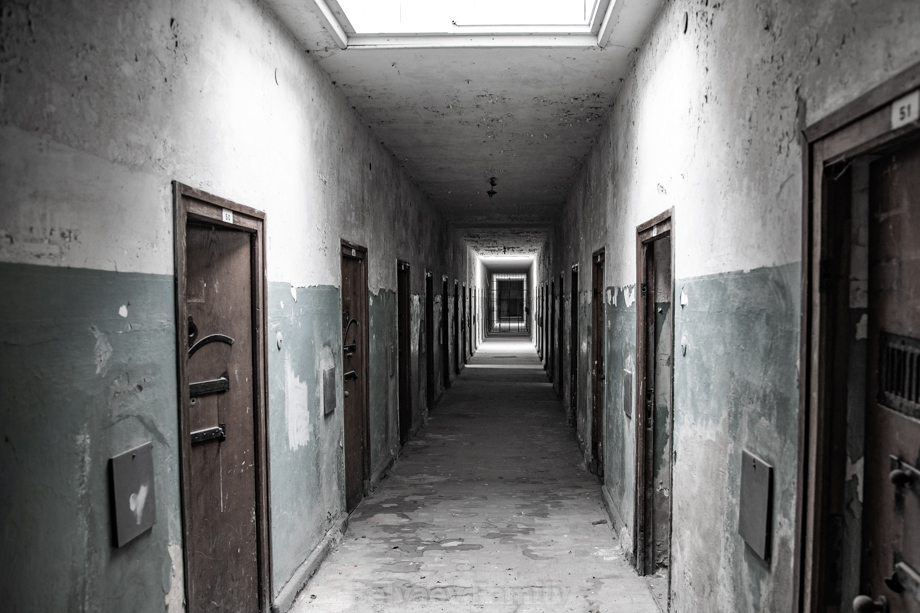
In 1941 SS established a punishment camp for former SS members in a building next to bunker, and those sentenced to prison terms came here to serve their sentences.
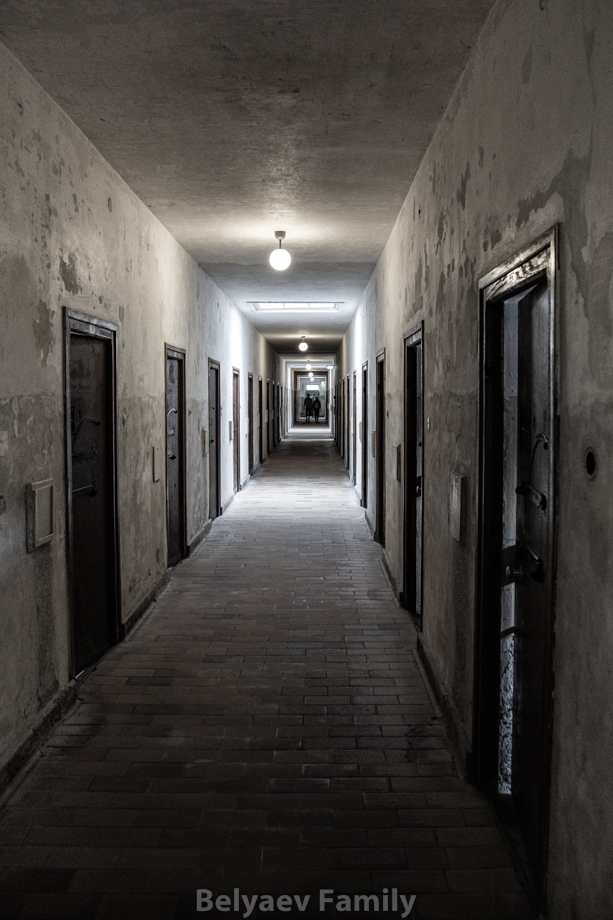
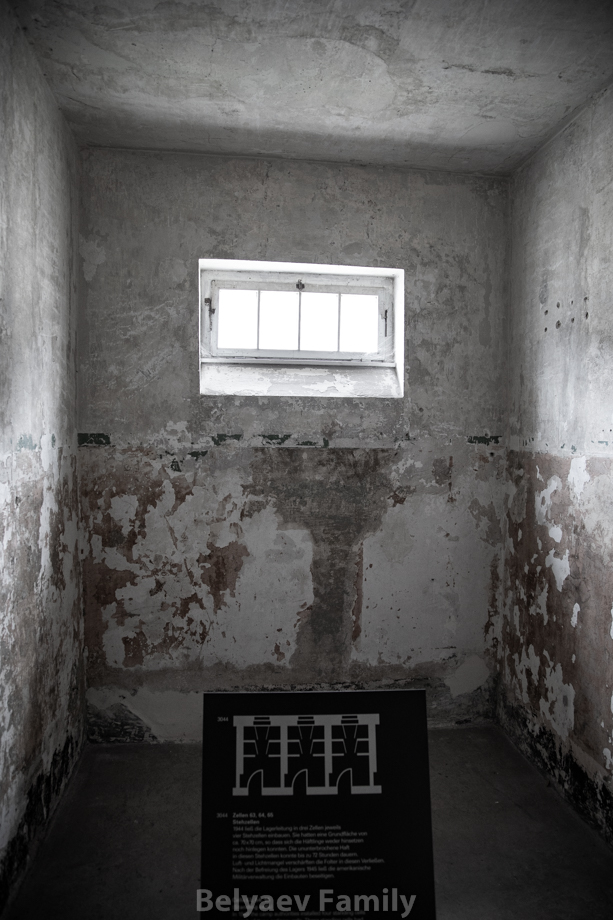
In 1944 camp authorities installed four standing cells in each of three ordinary cells. these standing cell had an floor area of 70×70 cm – about 2’6″. prisoners were held here for up to 72 hr in a stretch, without possibility to seat or lay down. The torture was increased by the luck of light and air.
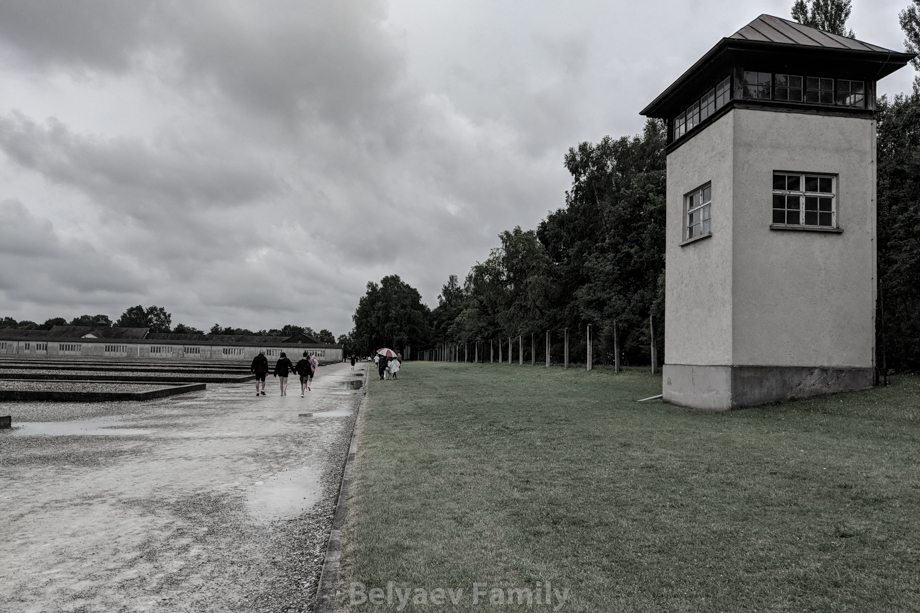
In 1937-38 the perimeter was fenced with seven watch towers. The shooter was always on top, watching the camp, so escape was impossible. As soon as a prisoner came closer to the fence, the shooter started to fire. Sometimes prisoners ran to the fence just to end their suffering.
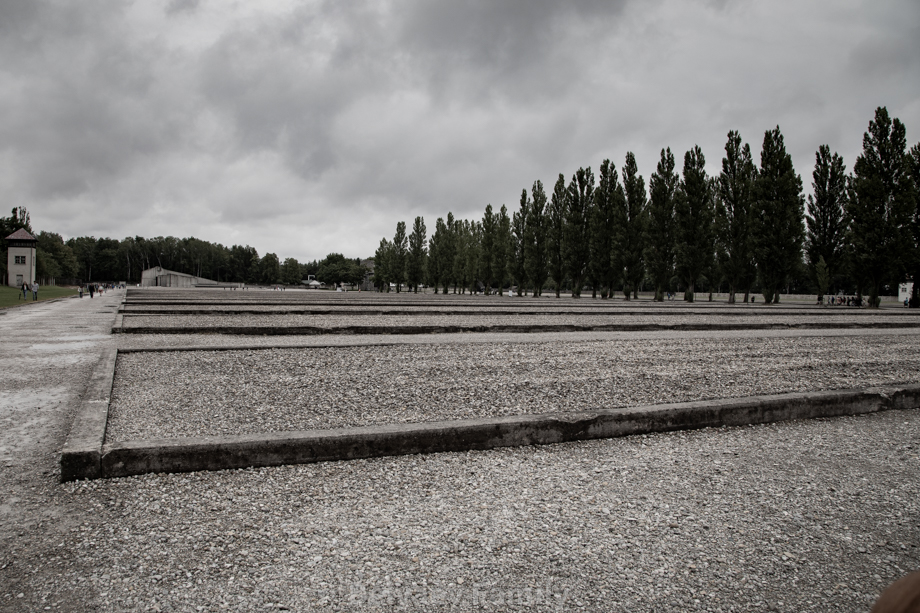
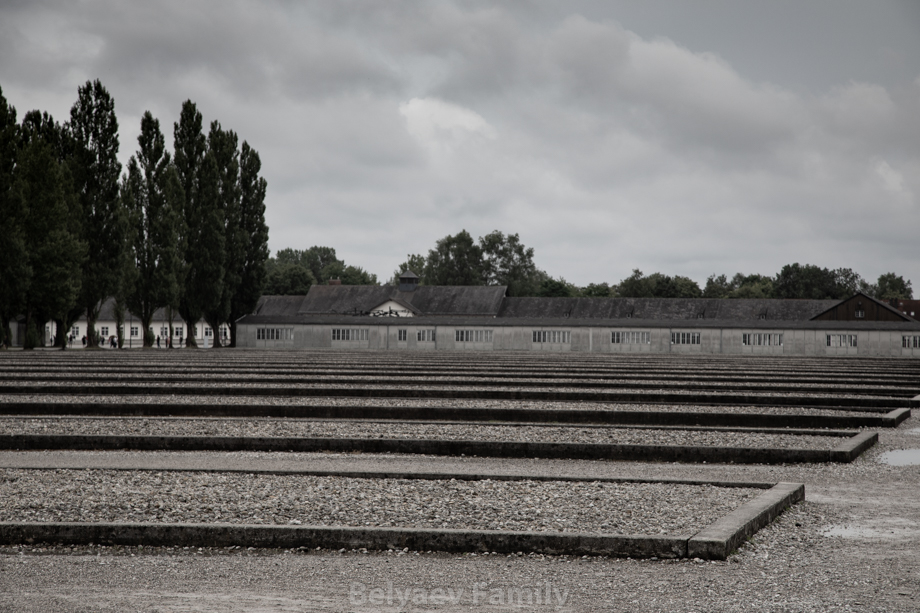
This is where barracks stood before
With the increased amount of prisoners the deaths rose very dramatically. Prisoners were punished to death, died from illnesses, malnutrition or medical experiments. So in 1940 the crematorium was built, and in 1942-43 the second building was added, with larger crematorium area and a gas chamber. The gas chamber was never intended for the mass killing – it was used for the disinfect clothing, however there were cases of killing individual prisoners or small groups.
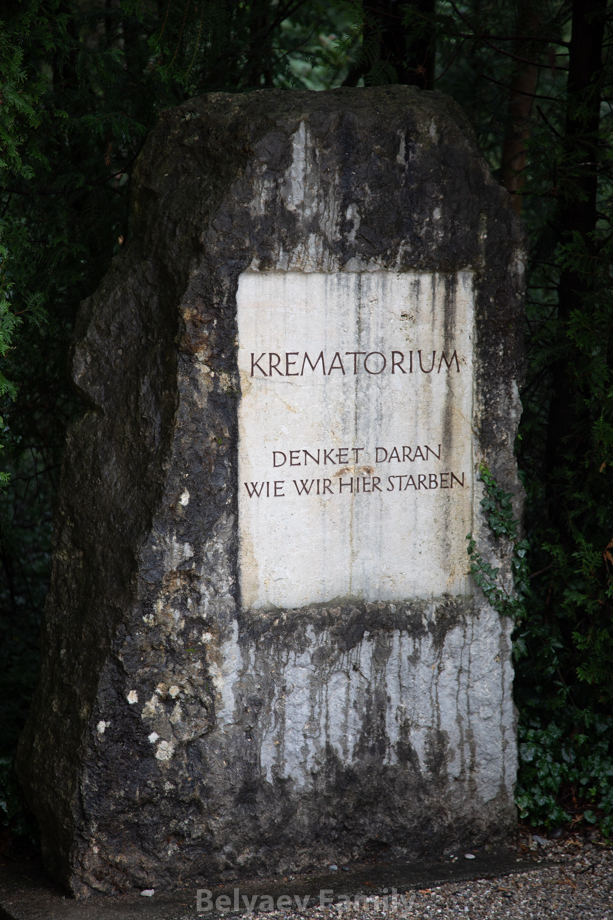
Memorial stone. ‘Remember how we died here‘
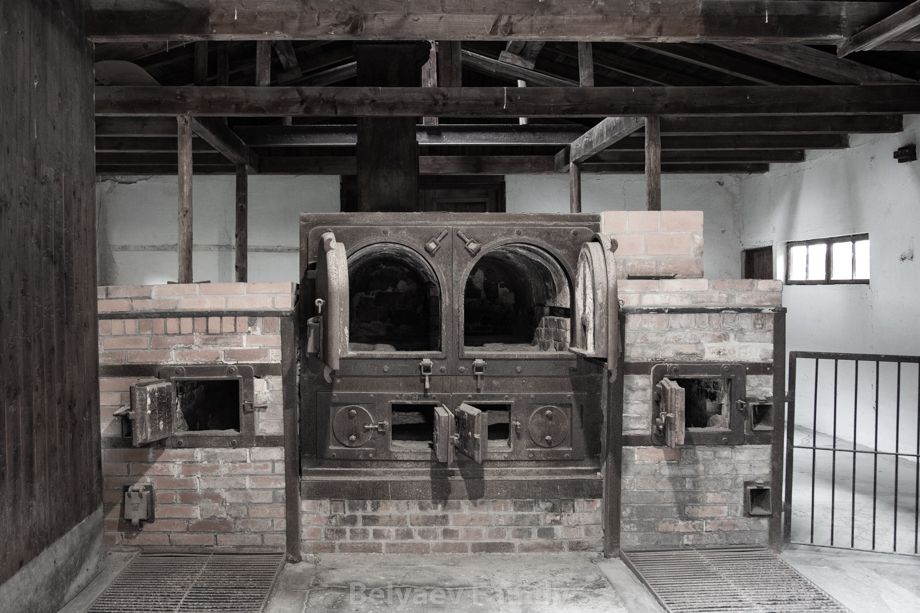
During it’s time of operation more than 11,000 people were cremated here.
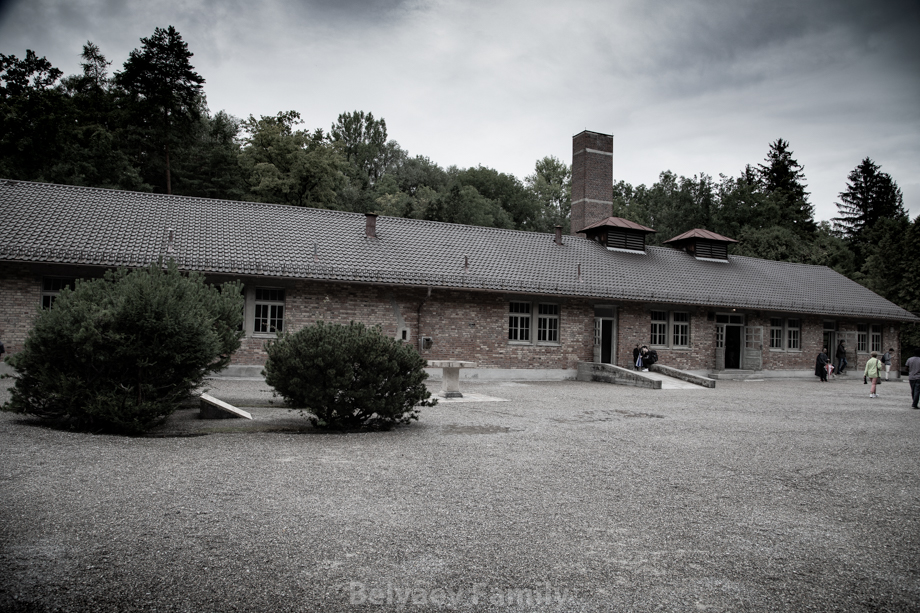
New crematorium
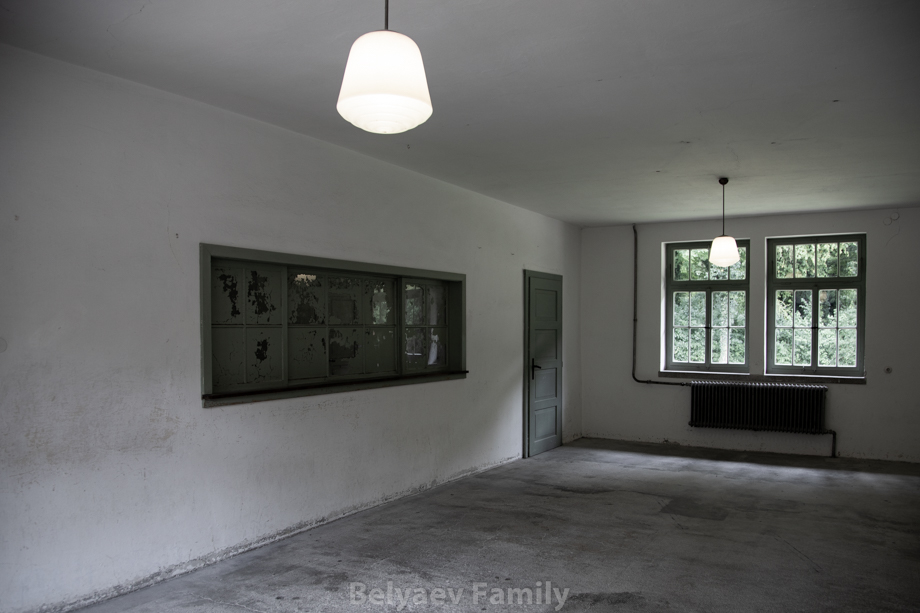
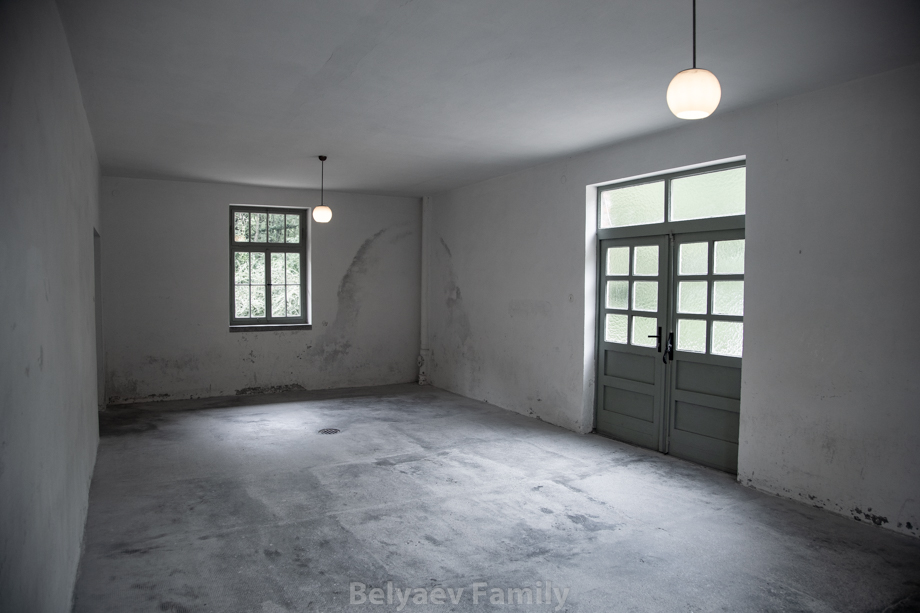
Victims were brought to the waiting room before having the ‘showers’
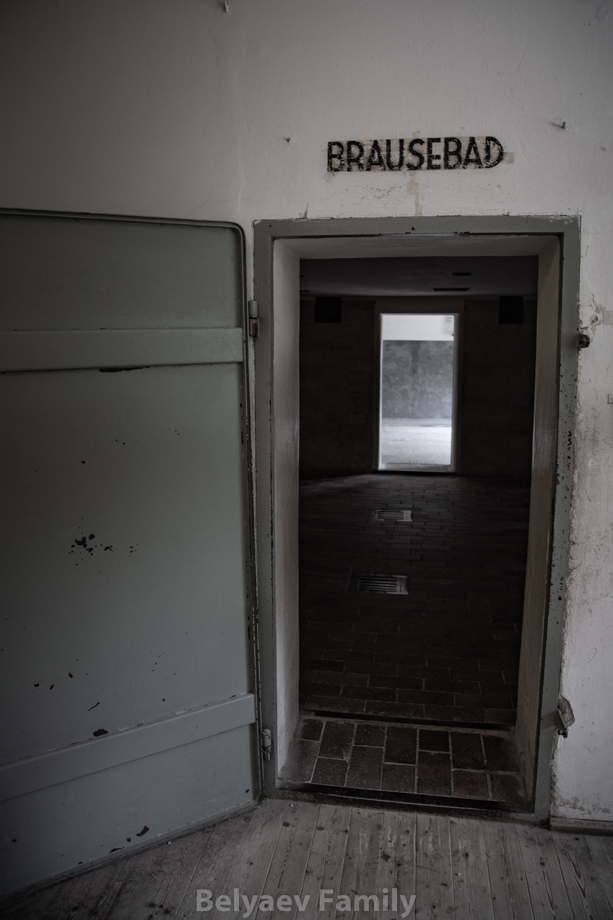
Entrance to the Gas chamber. Caption states ‘Showers’
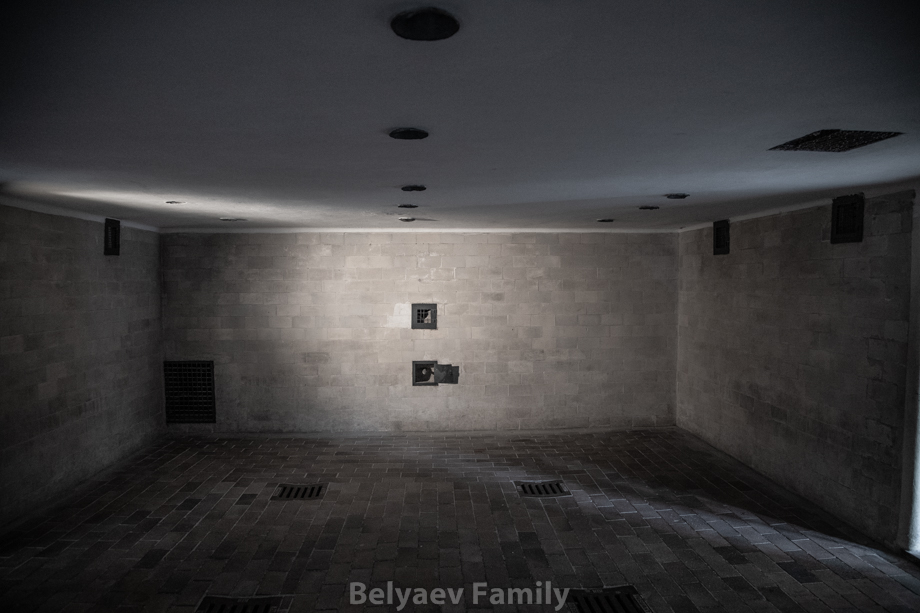
Up to 150 could be killed here in 15-20 minutes
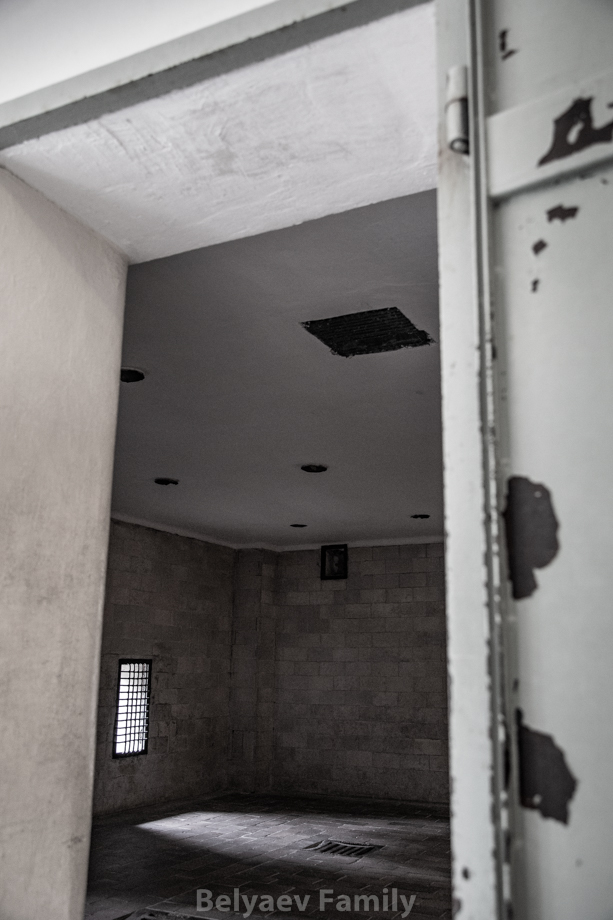
Fake shower heads and spouts
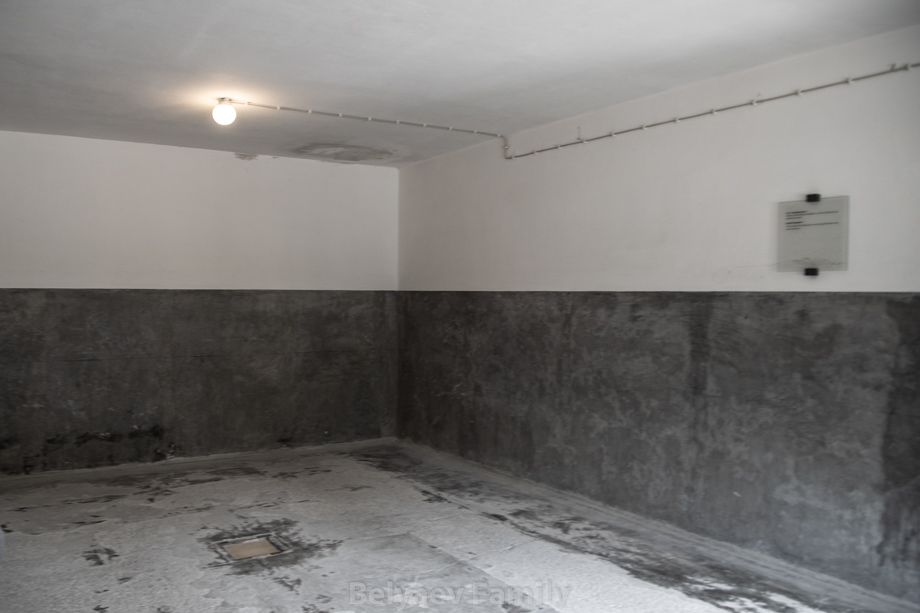
The room were the dead bodies were kept before cremation
There are total of 4 ovens in the new crematorium. Most of the hangings happened here, victims were hanged right in front of the burning ovens.
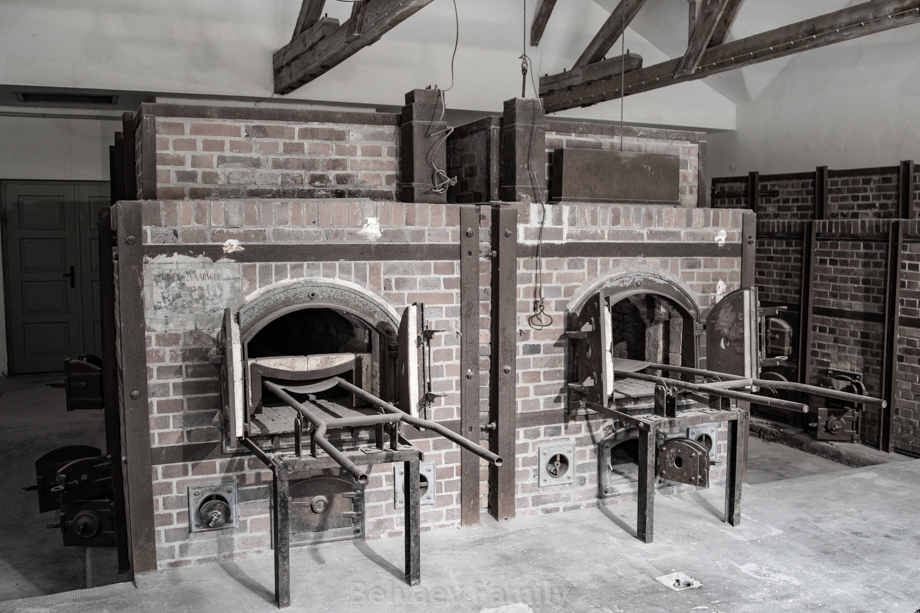
Execution site
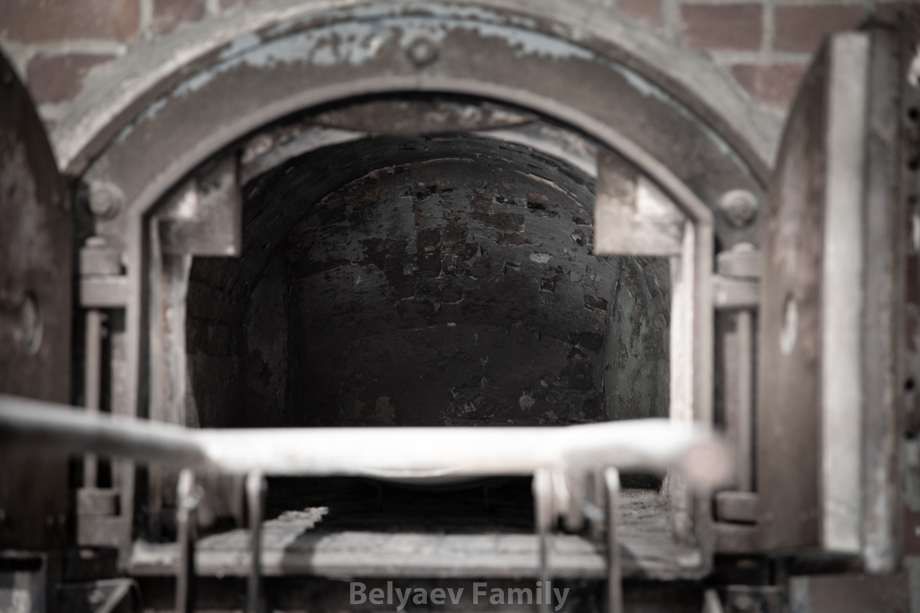
On the other side of the building was a room were dead bodies of the prisoners from the camp were kept before cremation.
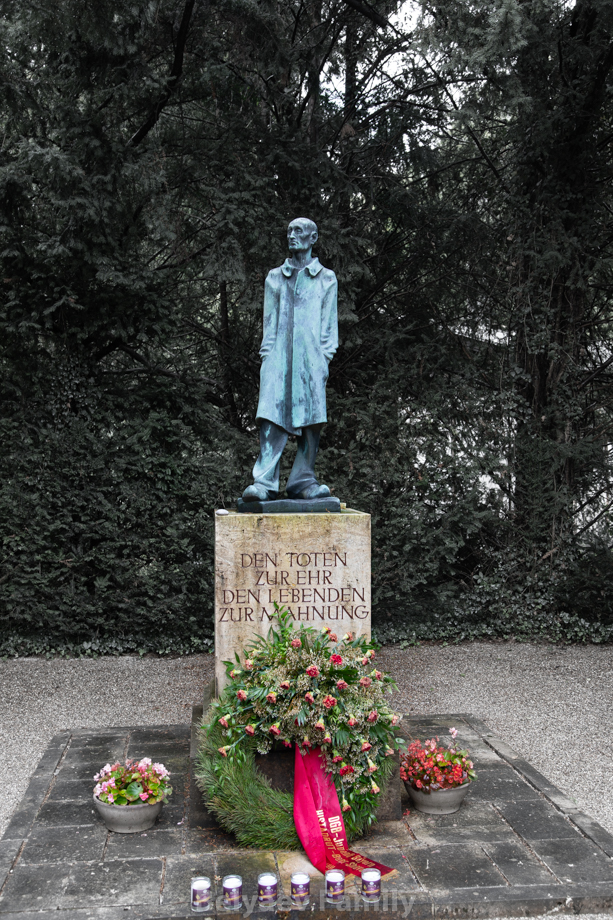
Monument of the Unknown Prisoner. ‘To honor the dead and warn the living‘
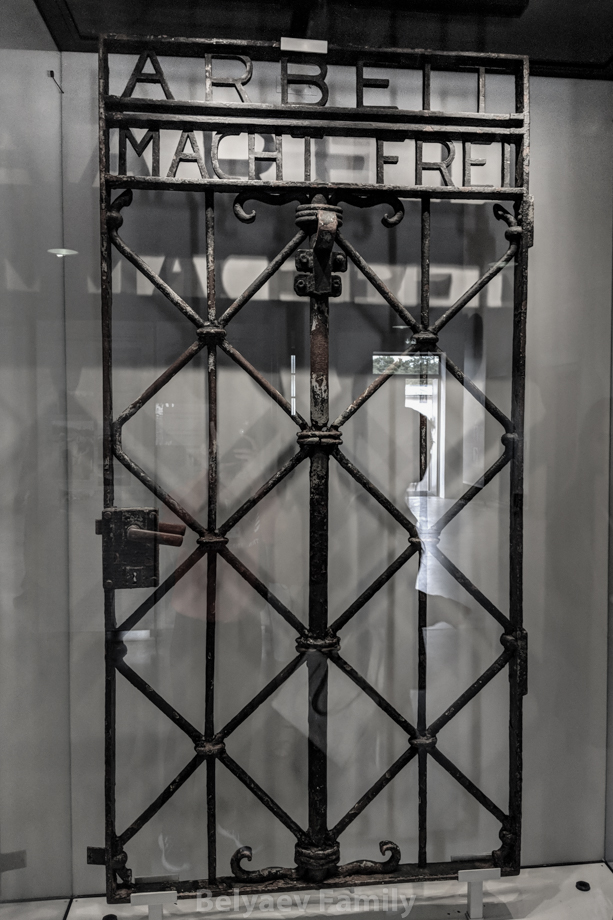
Original iron gates
Over the 12 years of camp existence, more than 200,000 people were sent here. There are 32,000 documented deaths in the camp, and many thousands of none-documented.
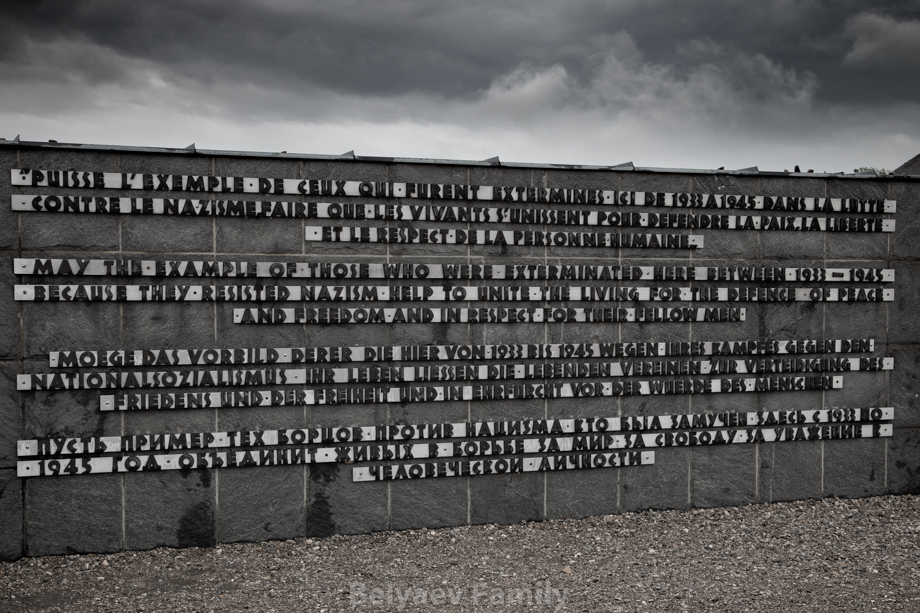
The sky cried in sympathy while we walked there, honoring those who never saw freedom again. It was very hard to be there, in a place that looks so empty and peaceful – it seems that even nature fades here – knowing what a nightmare it was back in 1933-45. At the place, where people lost their humanity and did dreadful, awful things to other men. At the place, the purpose of which is to teach us the dark and terrible pages of our history. At the place, that will remind us of what never, ever should happen again.