

Part 43 here
Behind our hotel there was a Tonopah Mining Park that we were going to check. Silver was found in the area by Jim Butler in May 1900, when, as rumor has it, his mule ran away. Being angry with stubborn animal, Butler went in search of the mule. When he finally spotted the mule, he decided to throw a stone at him, but when he picked one up, he was surprised by it’s unusual weight. Jim Butler picked up some samples and went to an assay, but was disappointed to hear that in his samples there were no silver, only iron. Jim Butler went back home, but on his way back he made a stop to pick up some more samples.
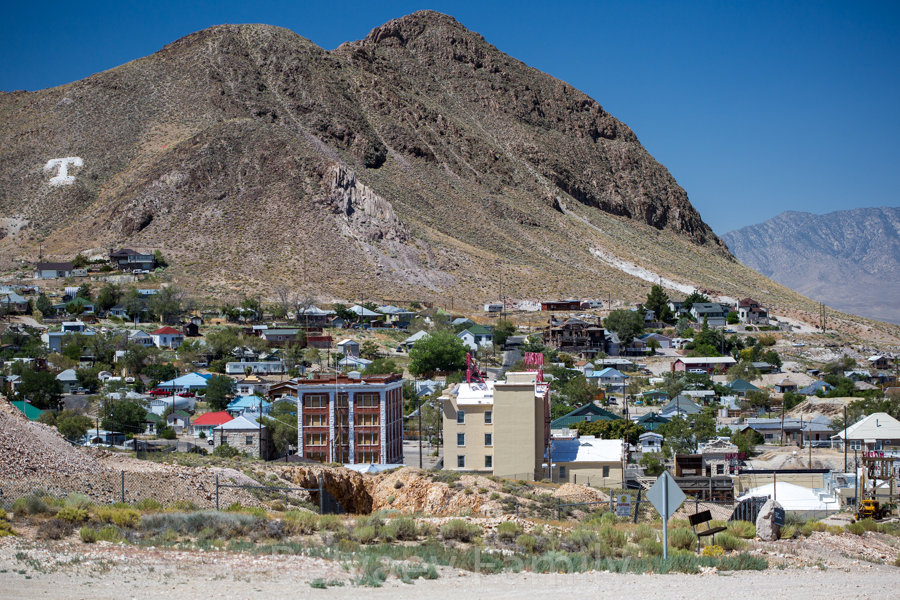
Streets of Tonopah
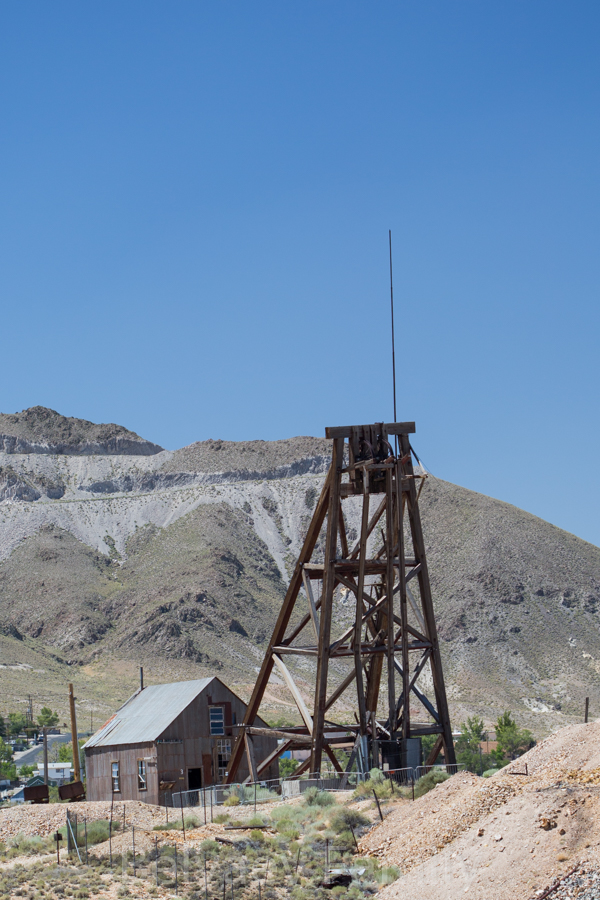
Soon after that, Tasker Oddie, later to be a governor of Nevada, came to visit him and spied the ore samples. He offered to pay for another assay and Butler agreed to this. Butler, in turn, offered Oddie a quarter interest of the assay. Oddie agreed and took samples to William Gayhart, an Austin assayer, and offered Gayhart a quarter interest in his quarter. Gayhart found the assay ran as high as $600 a ton. When Oddie was notified of the value of the samples, he immediately sent an Indian runner to Butler’s ranch to alert him of the rich find. Butler did not react rapidly. He stayed at his ranch to complete the hay harvest and did not even bother to file claims on the lode site!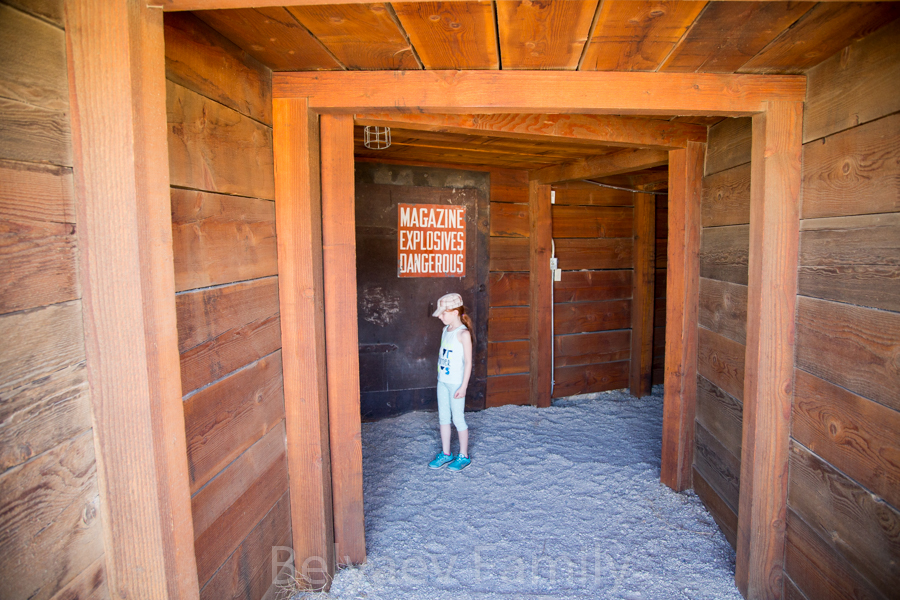
Butler finally went to Belmont, and on August 27, 1900, he and his wife filed eight claims near the springs. Six of these turned into some of the biggest producers the state has ever had. Work begun on the Mizpah mine in October 1900, and a camp called Butler formed nearby. On Christmas Day, 1900, 14 men were living in the camp including Butler and Tasker Oddie. Butler decided to lease out all of his claims for one year, from December 1900, to December 1901. Oddie and Butler were partners, receiving a 25% royalty on all gold and silver mined from the Butler claims. The town of Butler began to grow by leaps and bounds. By January 1901, there were 40 men in the camp. The first stagecoach, coming from Sodaville, arrived in Butler on March 24, 1901, with seven passengers. It was a two day trip, with an overnight stay at Crow Springs. The camp consisted of seven shacks, a number of tents and a population of 60. Within weeks, the population had grown to 250. The mines around the town produced almost $750,000 in gold and silver in 1901, and for the next 40 years, the Tonopah mines were consistent producers. The town now had six saloons, restaurants, assay offices, lodging houses, a number of doctors, lawyers and a rapidly swelling population of 650. The first wedding took place on November.
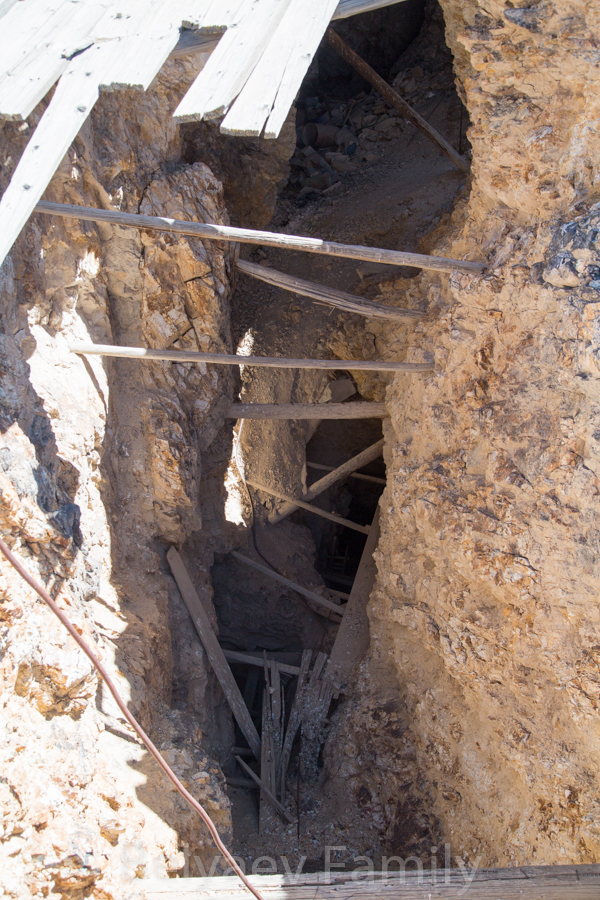
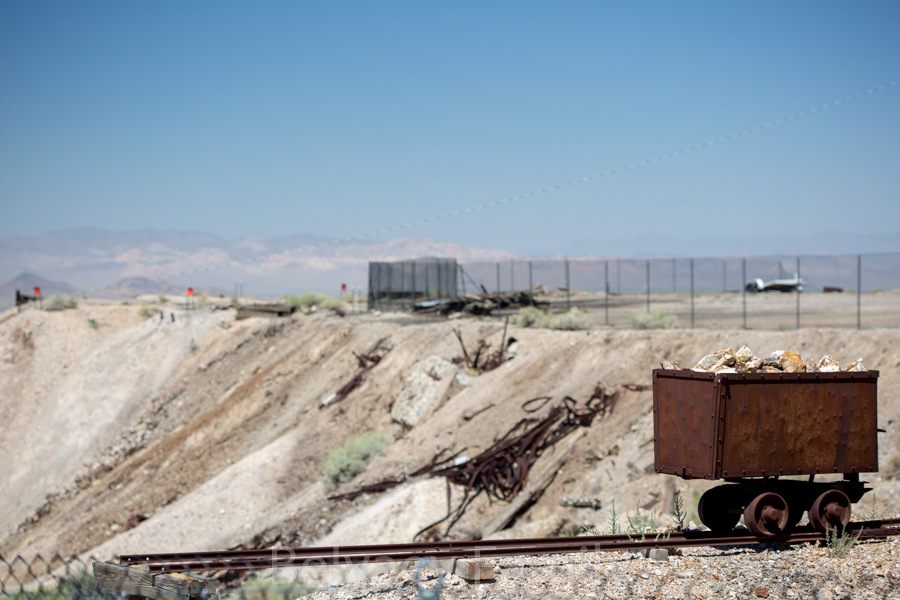
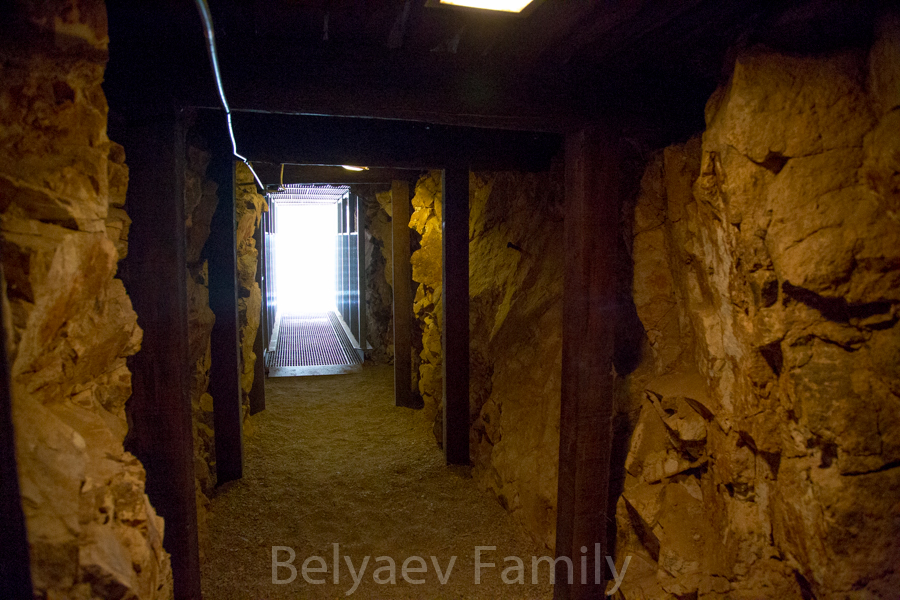
The lode came to the surface and with the time the miners went deeper and deeper up to 500′
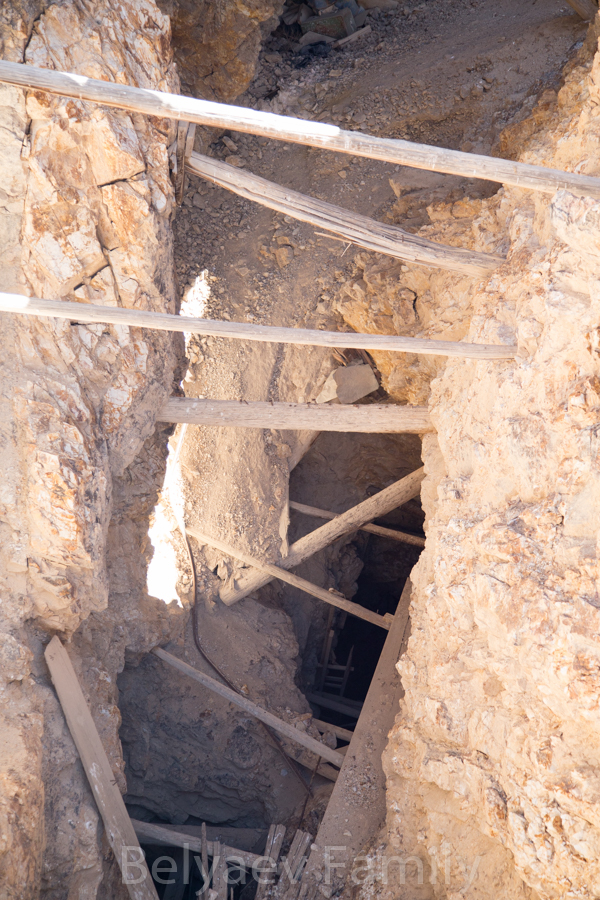
About 100′ were worked out during leasing
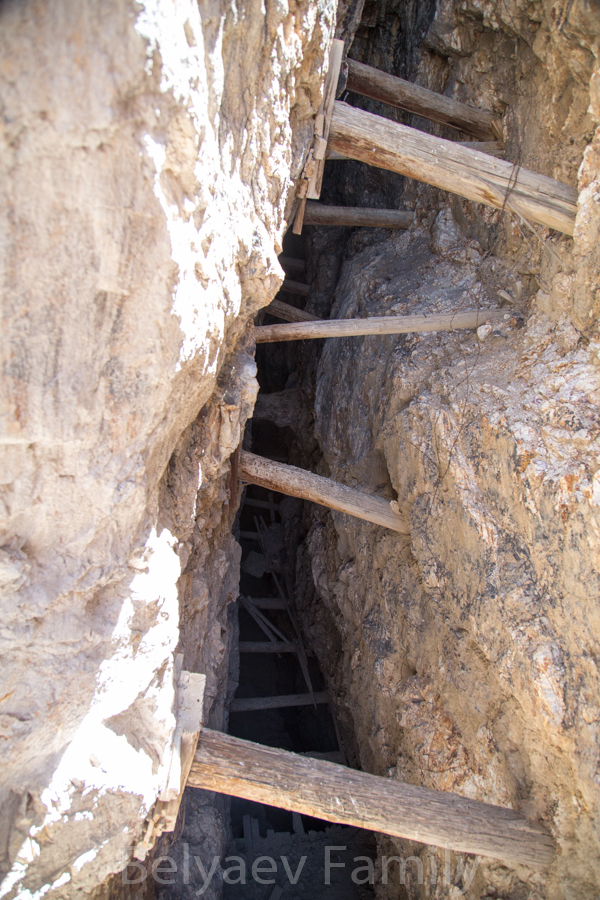
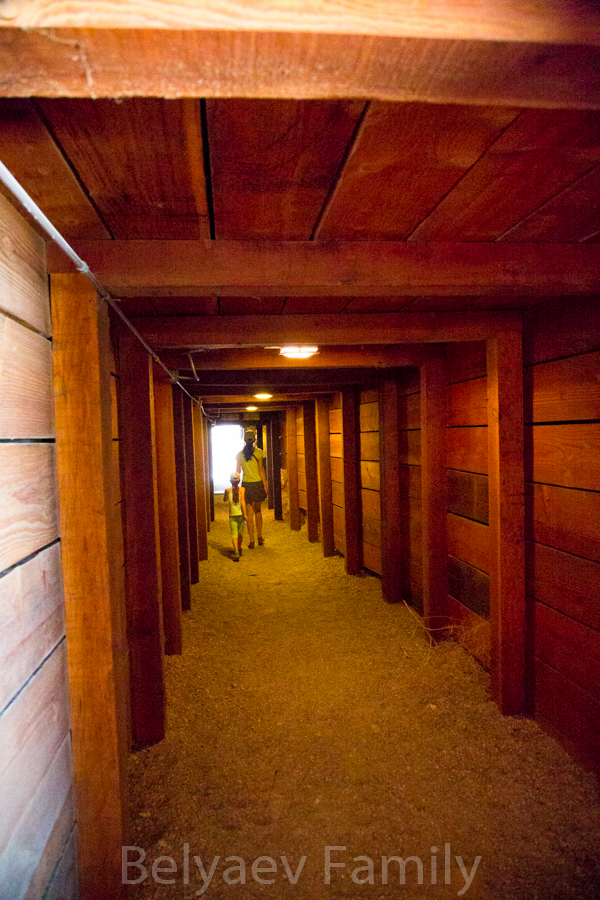
Logs were used to prevent the walls from collapsing
In 1902 Jim Butler had sold out the claims, which were all consolidated and gave birth to a new company, the Tonopah Mining Company. It was incorporated in Delaware, with stock listed on both the Philadelphia and San Francisco exchanges. The company, with J.H. Whiteman as president, controlled 160 acres of mineral-bearing ground around the Tonopah district. The company also had holdings in the Tonopah-Goldfield Railroad and controlled mining companies in Colorado, Canada, California and Nicaragua. The mine workings at Tonopah consisted of three deep shafts with more than 46 miles of lateral workings. The deepest of the three shafts was 1,500′. The ore mined at the site was shipped to Millers, where it was treated in a 100-stamp mill. This facility was used by the company’s mines until suitable treatment facilities were built at Tonopah.
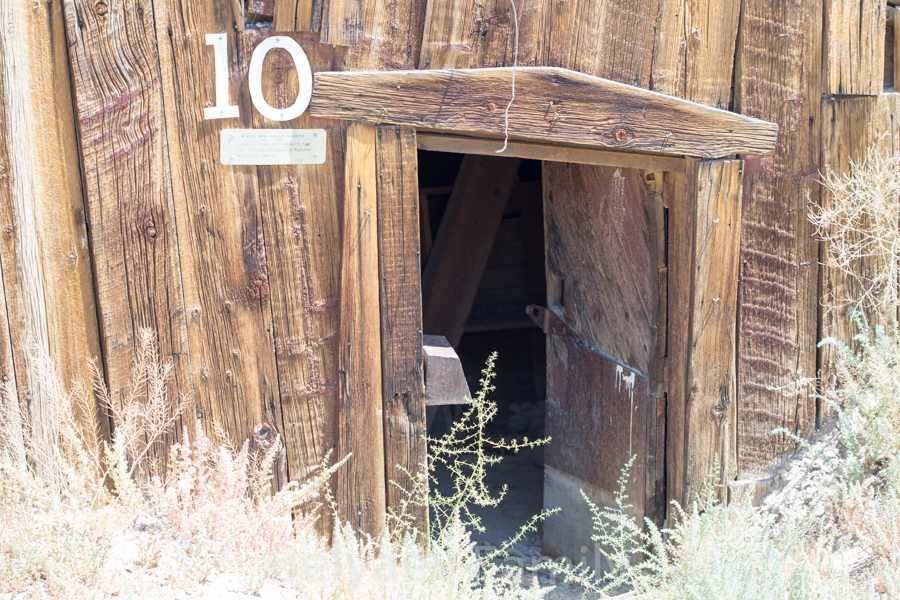
The explosives was stored here
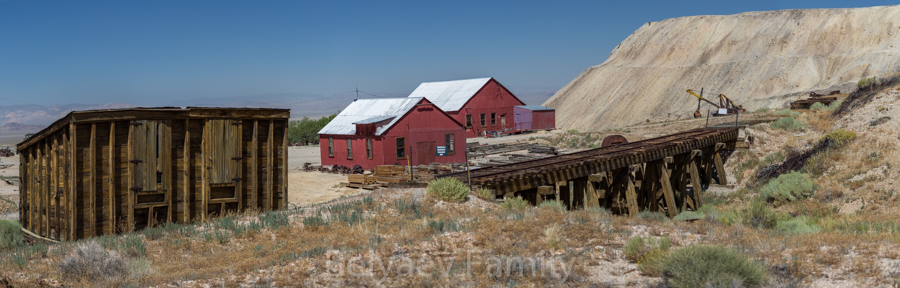
In the red building there were air compressors and hoist machinery
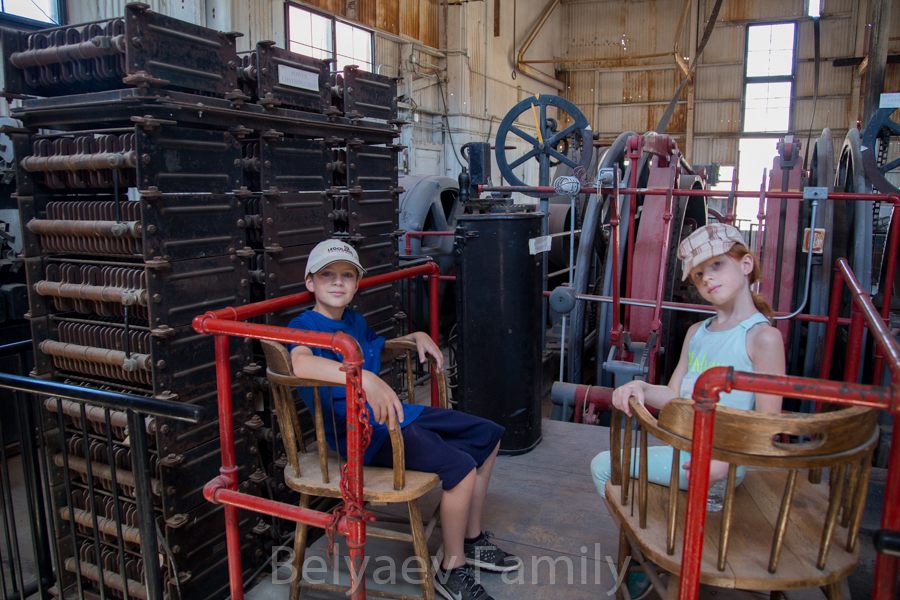
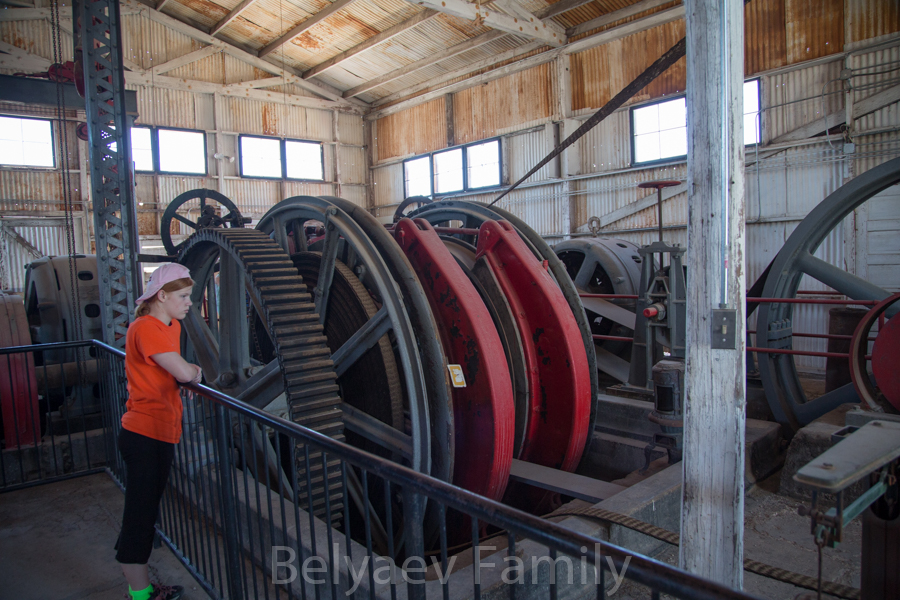
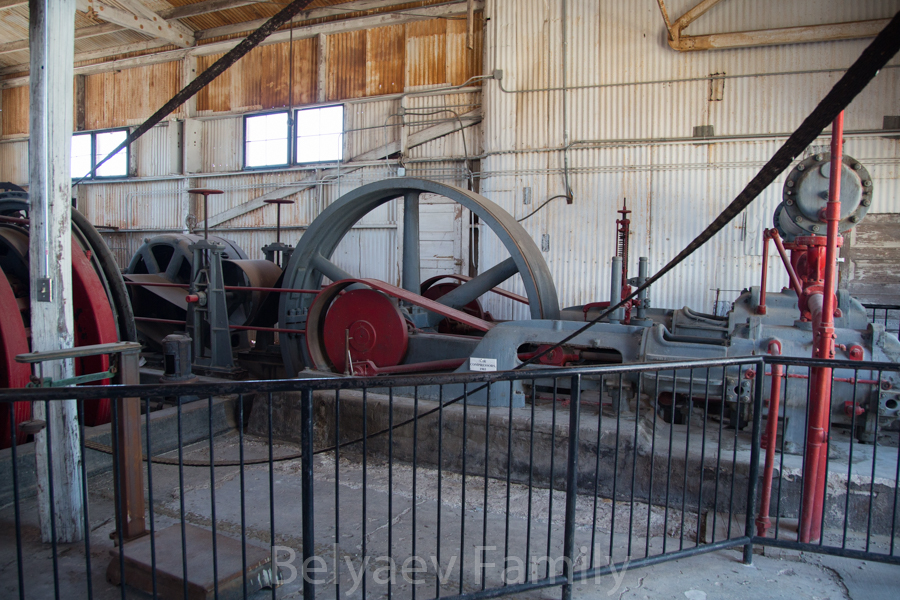
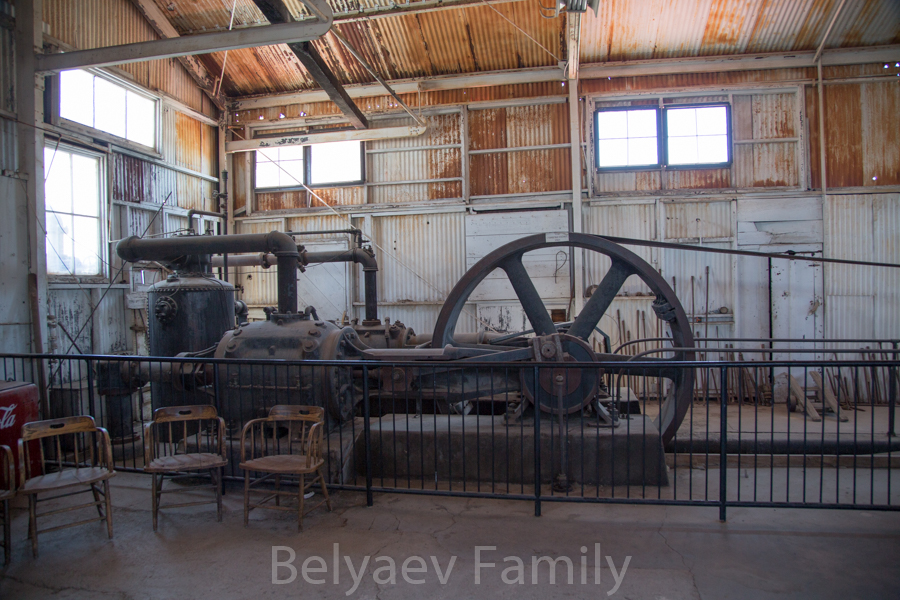
The air compressor was built in 1903
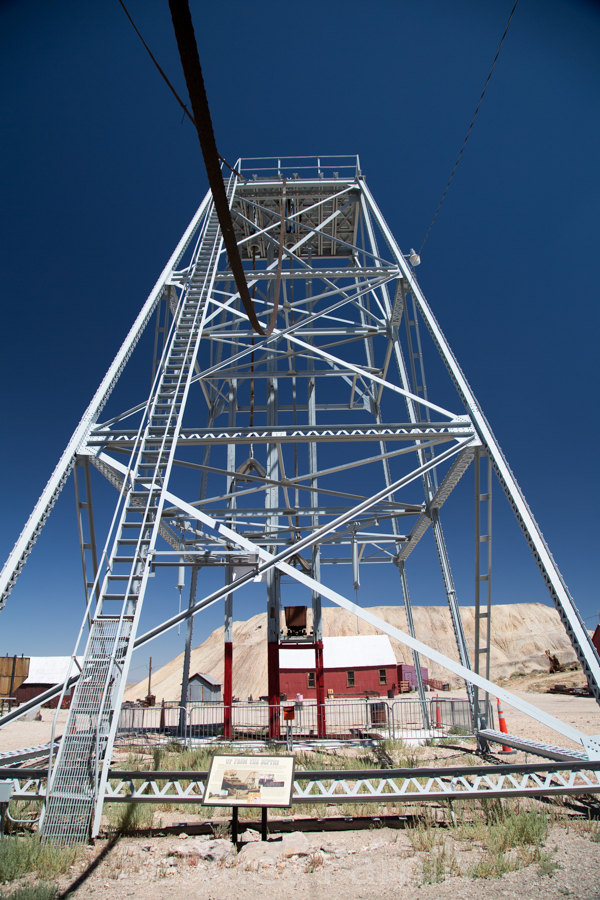
The hoist
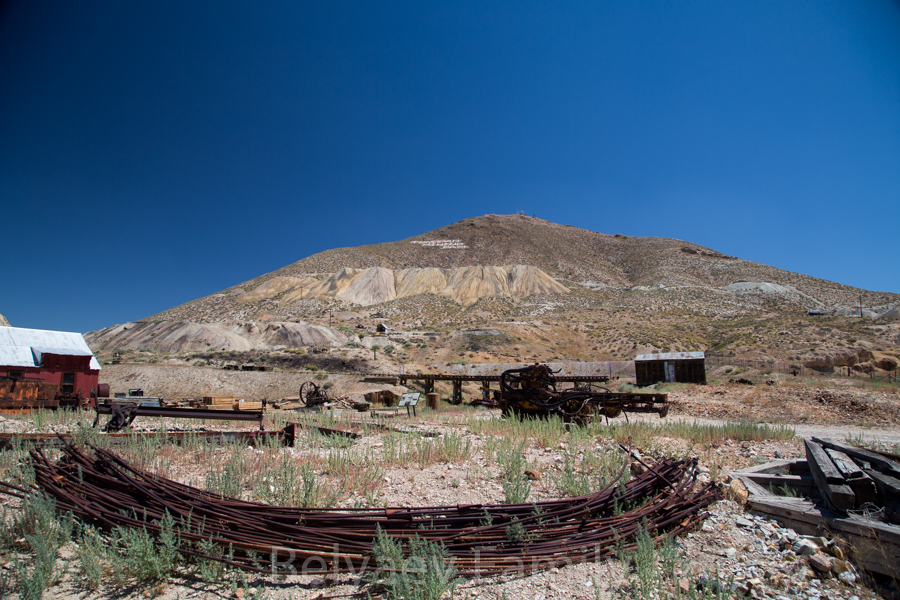
Mine production from 1900 to 1921, the peak years, was almost $121 million. The biggest single year was 1913, when almost $10 million in gold, silver, copper and lead was mined. By World War II, only four major mining companies were operating. A huge fire in October 1942 destroyed the Tonopah Extension mill and property, and spread to a nearby hotel, causing $100,000 in damage. At the end of the war, even these companies had left. The final blow came in 1947 when the Tonopah and Goldfield Railroad folded and its rails were torn up.
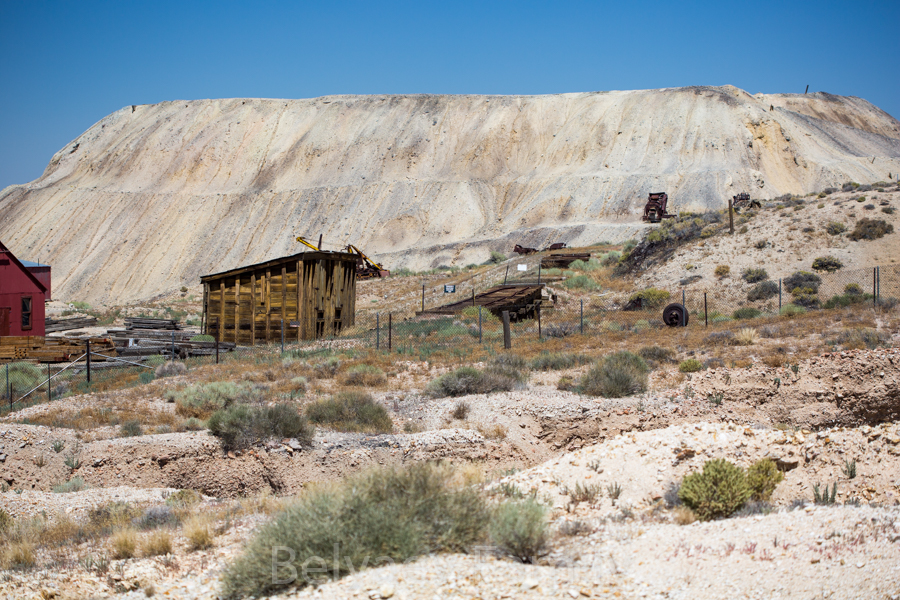
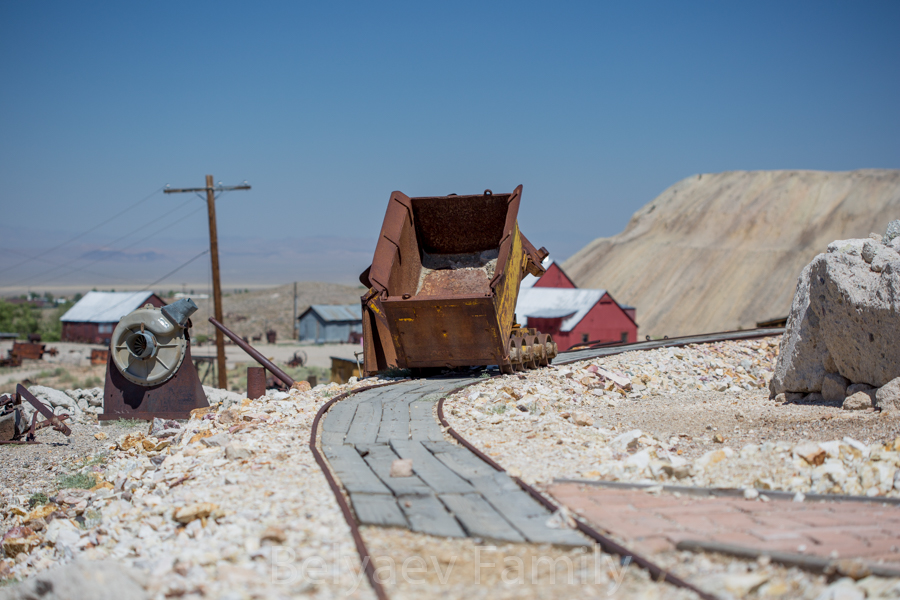
Andrey with the kids went to check the hoist and I was exploring the railroad bed
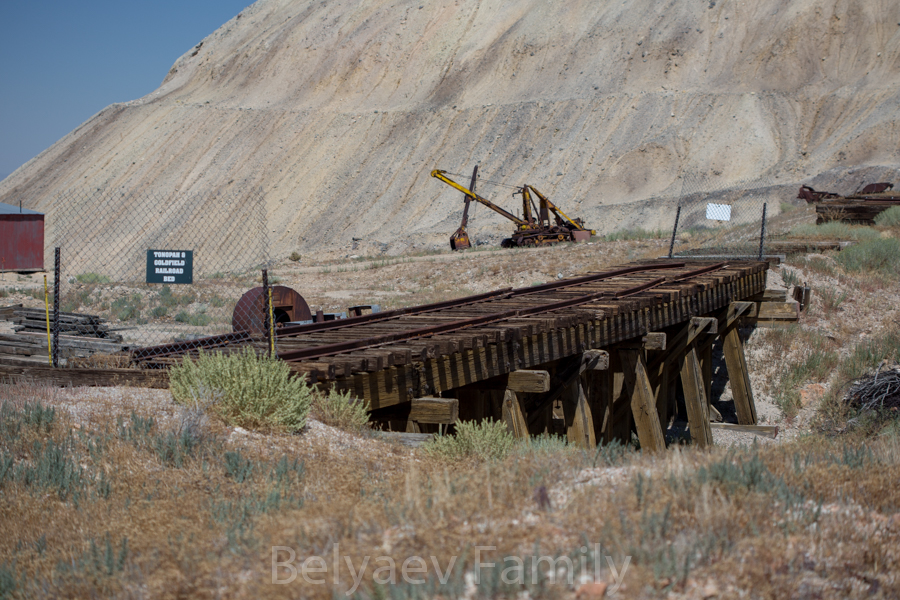

All what left from the Tonopah-Goldfield Railroad
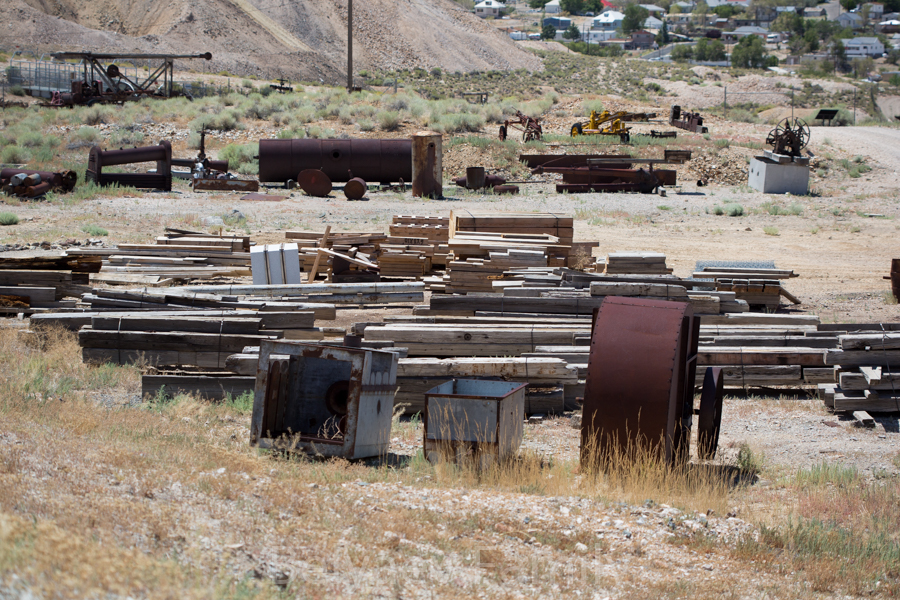
Someday, railroad rails will be restored on the park’s territory
Part 45 here