

By the time we’ve finished with observing of the Ehrenberg Castle the temperature rose pretty high. We decided to walk on the rope suspension bridge Highline 179 to cool down a little bit (both from being exposed to the wind and fear of heights :D).
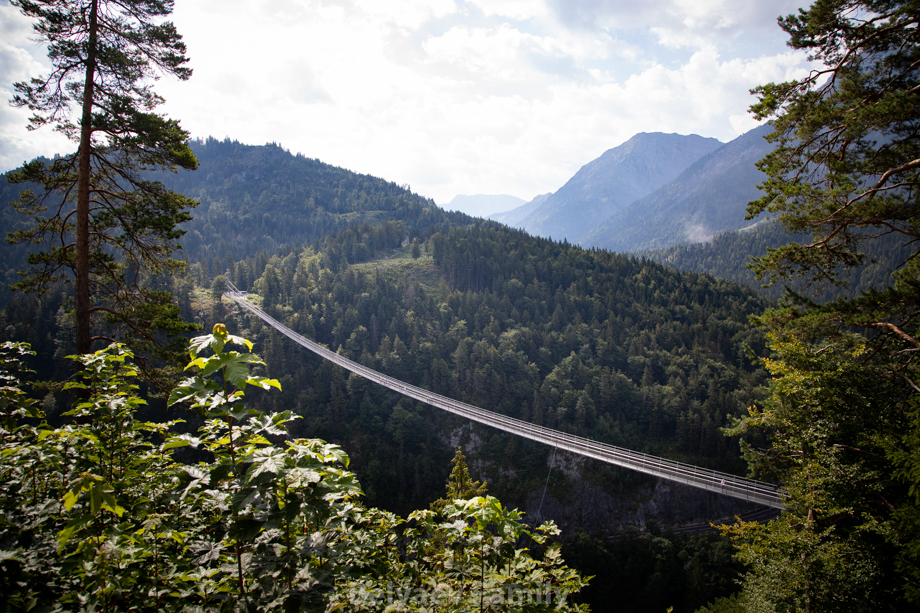
That suspension bridge was opened in November 2014, has the height 376′, length 1,332′, weighs 70 tons and has a max capacity 500 people. It won the category of “The Longest Pedestrian Suspension Bridge in the World in Tibet Style” in the World Guinness Book. Highline 179 connects the Ehrenberg Castle Ruins and Fort Claudia, and the highway 179 lays right underneath it, that’s how that bridge got it’s name. While it was pretty scary to walk there, the feeling of almost flying in the air was good.
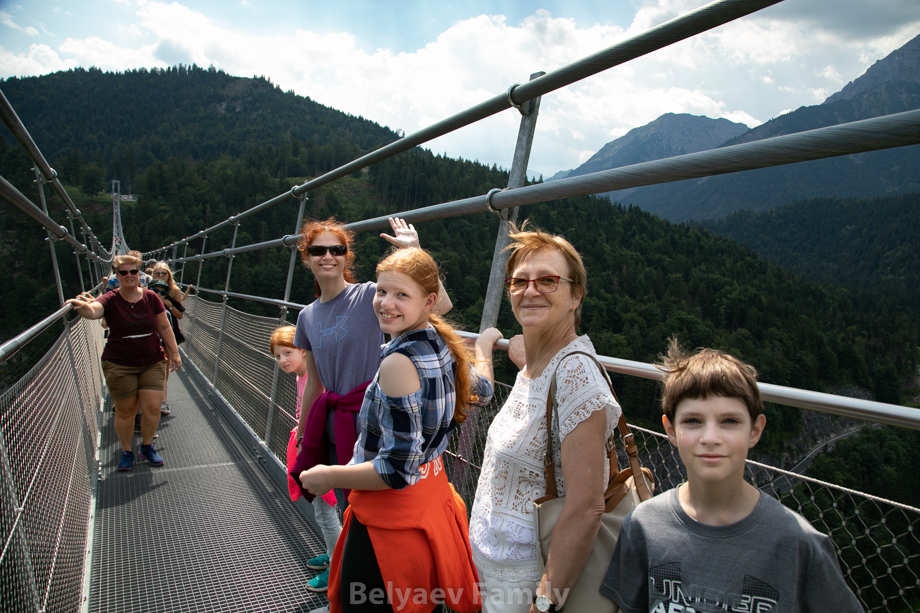
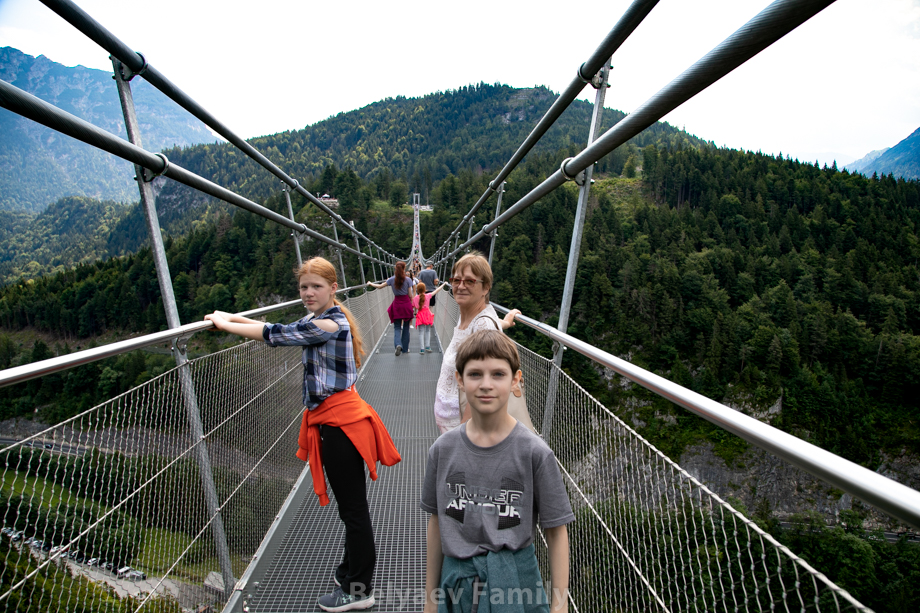
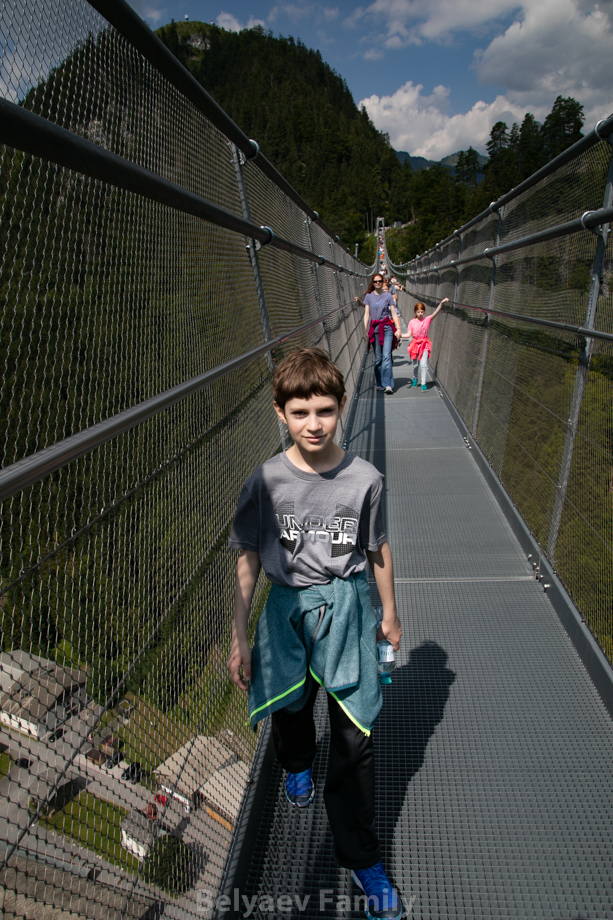
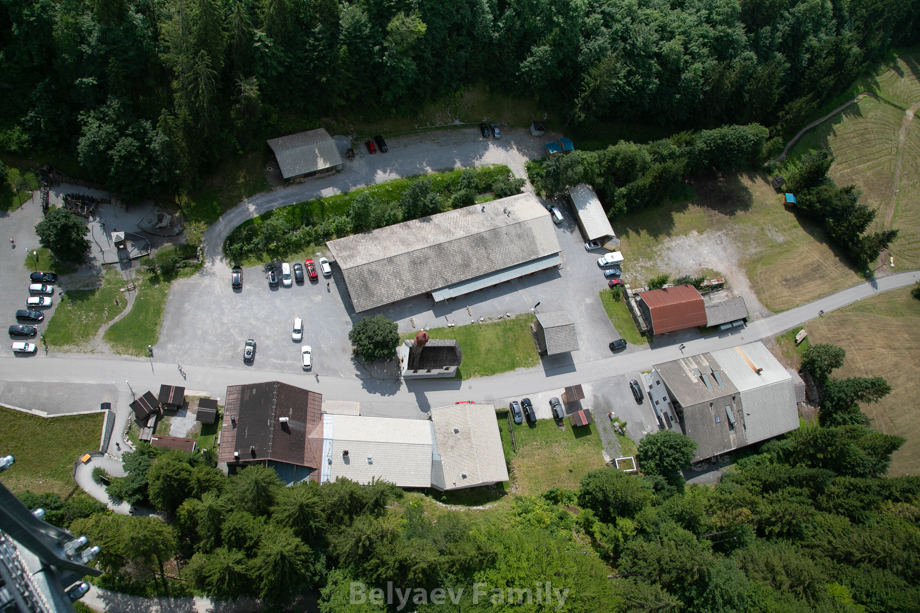
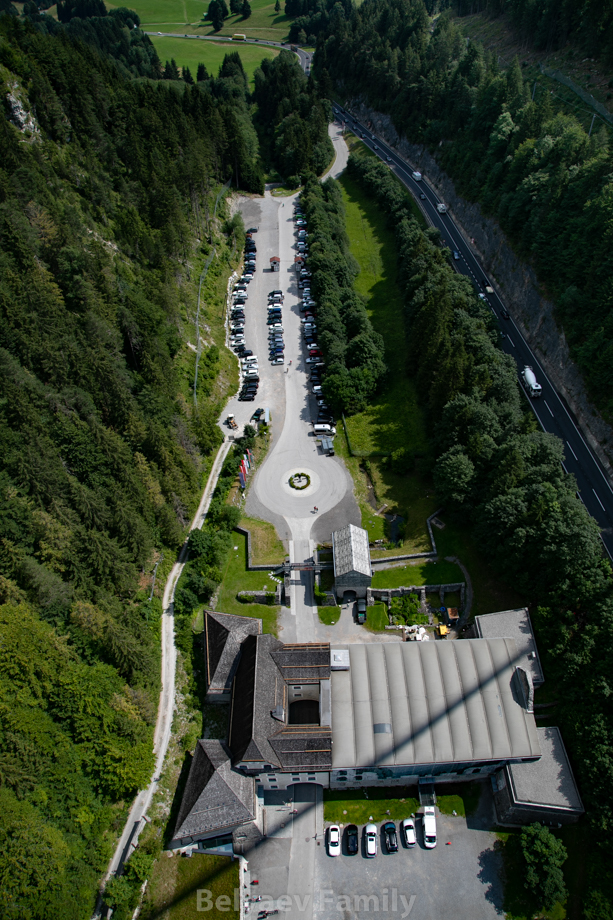
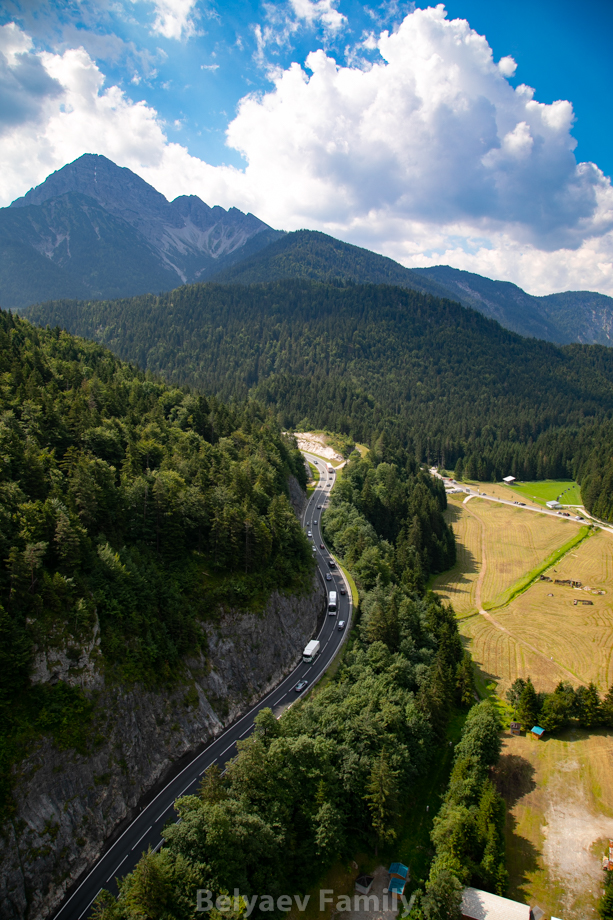
Views from the suspension bridge are stunning
The hill we were standing named Falkenberg. It’s location is very convenient, the Ehrenberg Castle lies right straight across. No surprise that that hill was once used to attack the castle. Once being Tyrolean, in 1546 the Schmalkaldic troops had conquered the castle and the Tyrolean soldiers brought seven cannons to that hill and shot their own castle. Despite that fact, the Falkenberg stood unfortified for another almost century. Only around 1639 the architect Elias Gumpp was ordered to build a fort here. And after the construction the newly build fort was named after Archduchess Claudia de Medici, the widow of Archduke Leopold V.
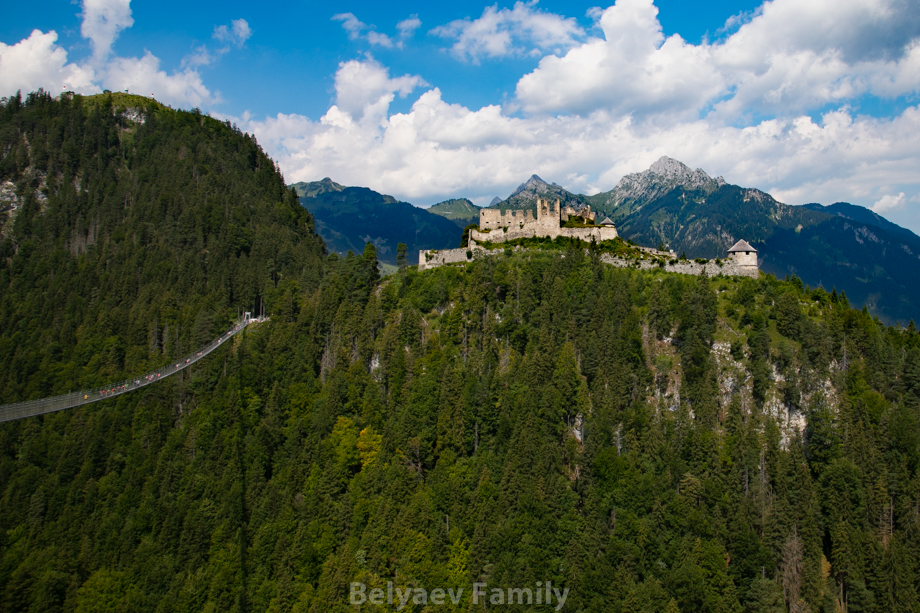
The Ehrenberg Castle’s ruins and Highline 179
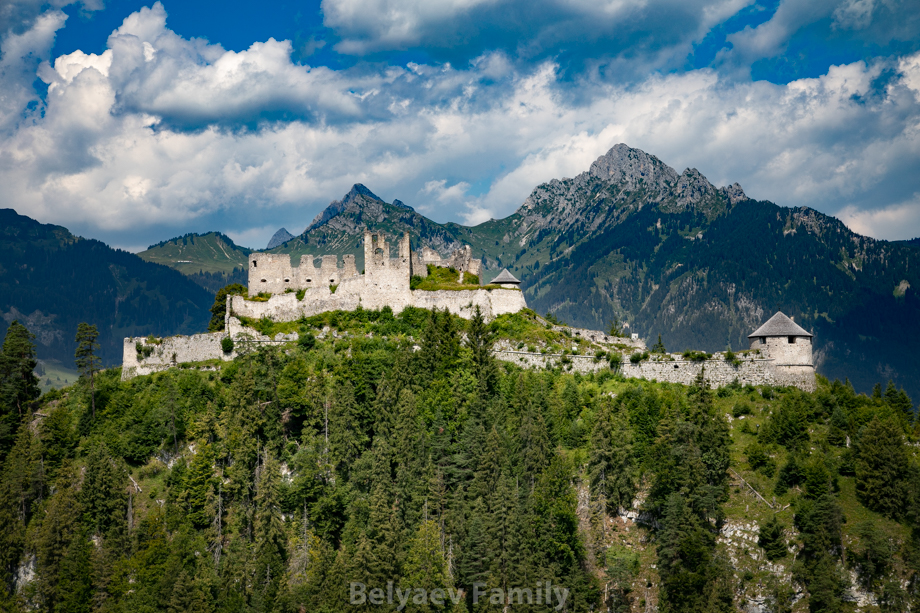
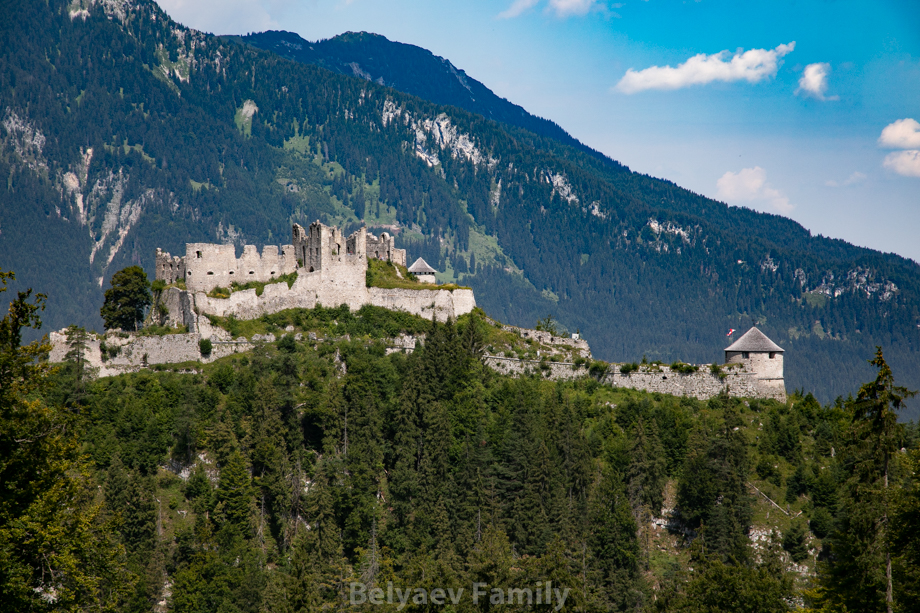
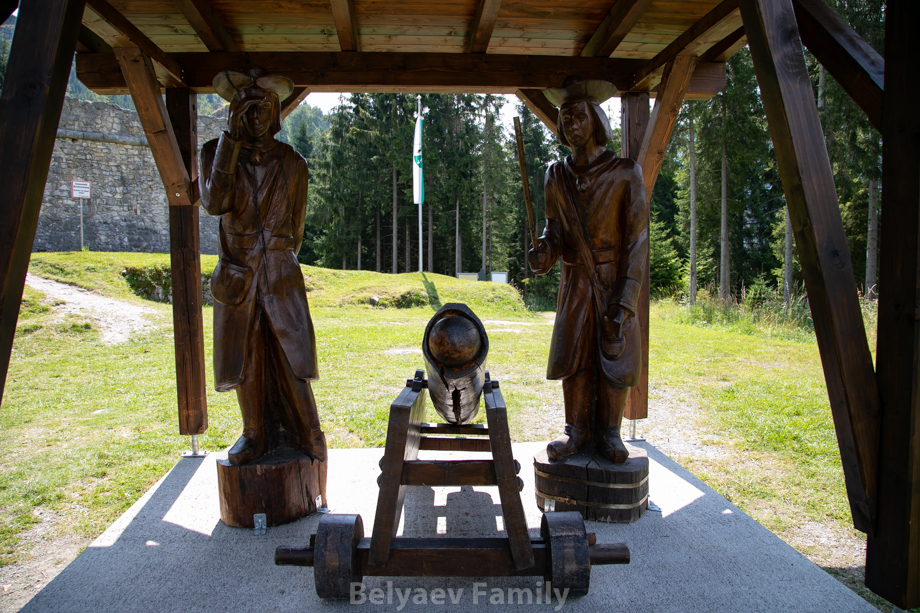
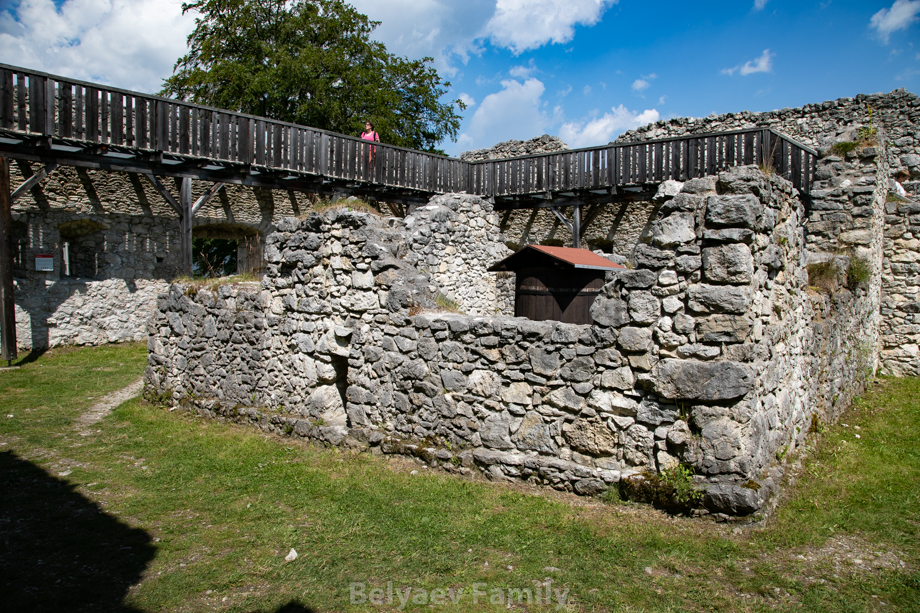
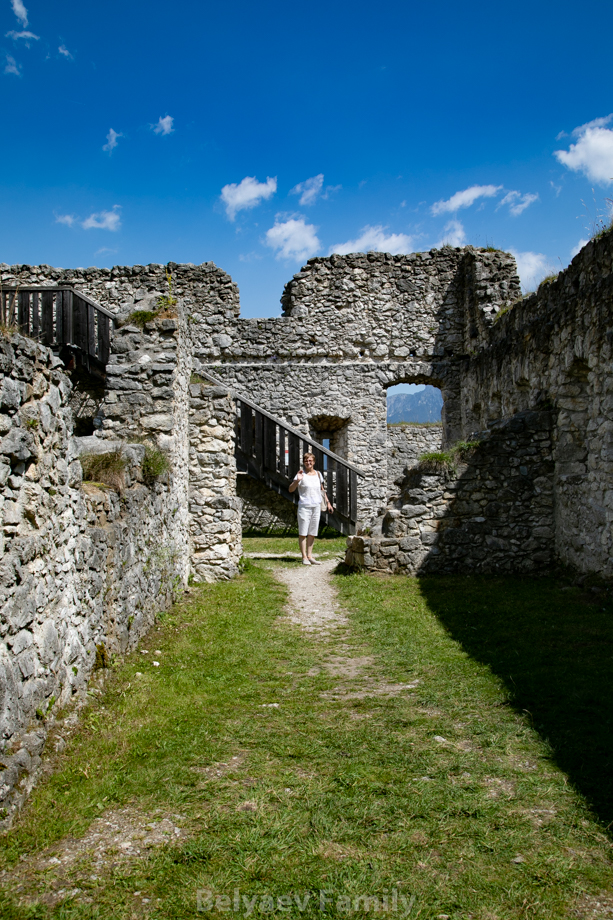
Near entrance to the Fort
The grand opening to the fort was meant to be protected by two bastions, but only one was build and what is strange is that it doesn’t have an entrance from the inside of the fort. Maybe it was built in a rush or was never finished.
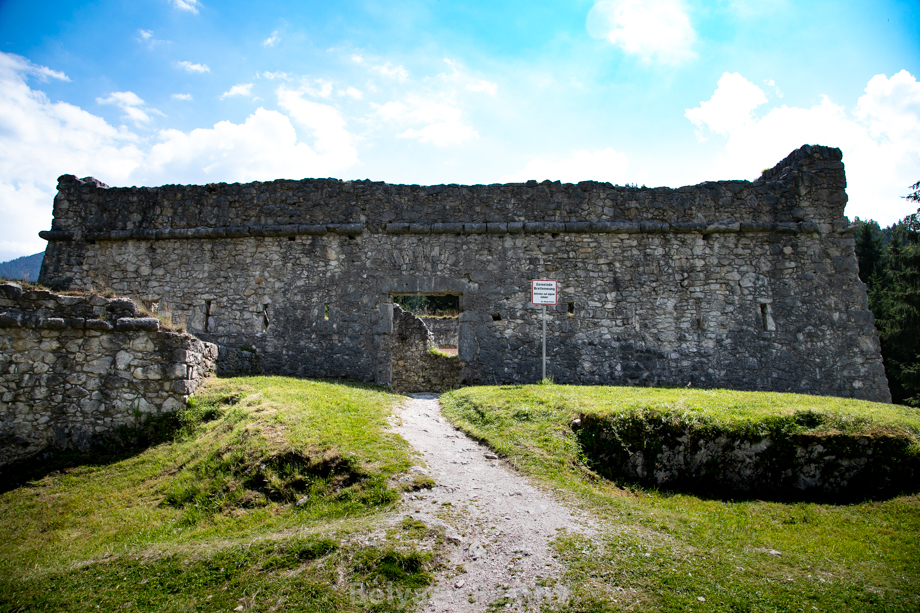
Entrance to the Fort. The only one built bastion is on the left
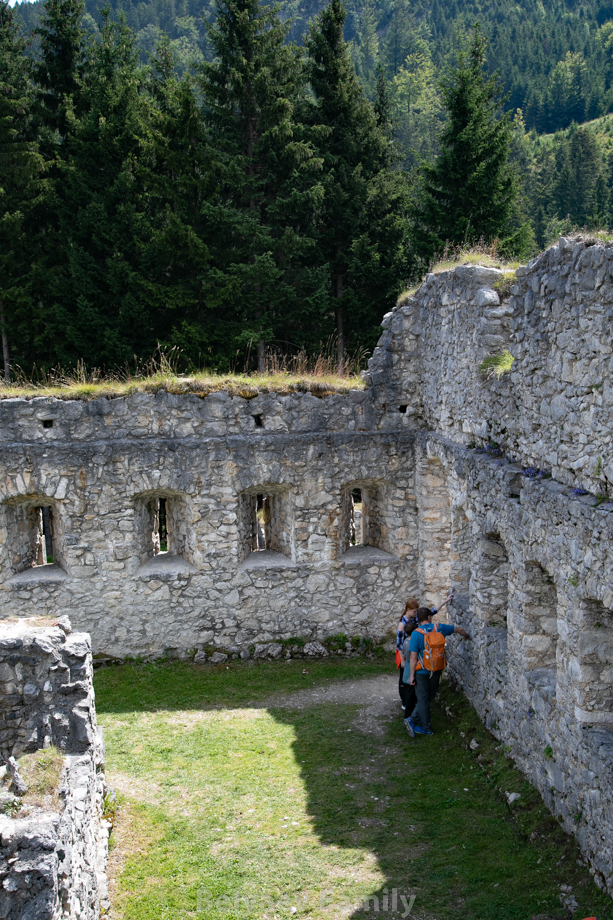
Originally fort had 37 gun loops at the ground level. But they were not efficient at all, the gun opening was very narrow so the musketeers couldn’t use their weapon properly.
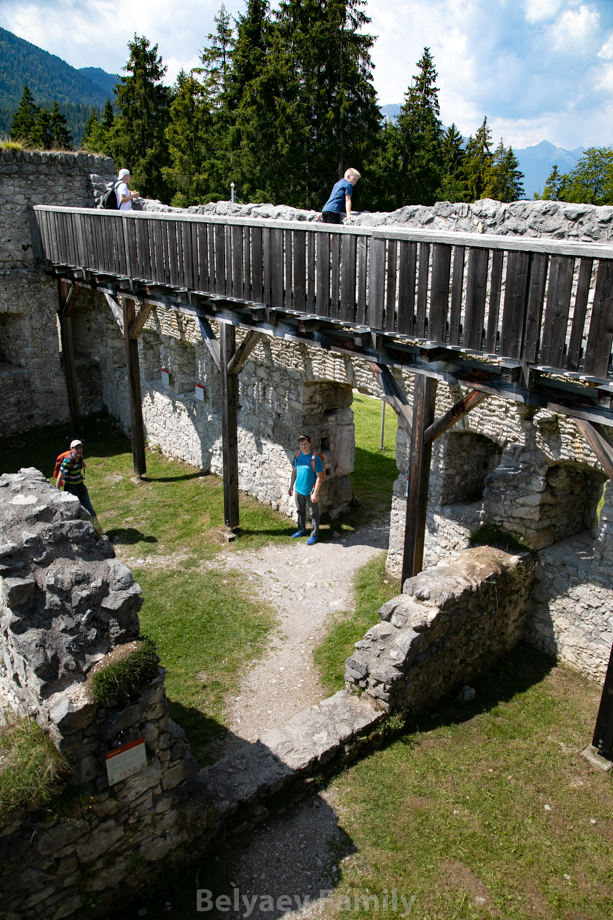
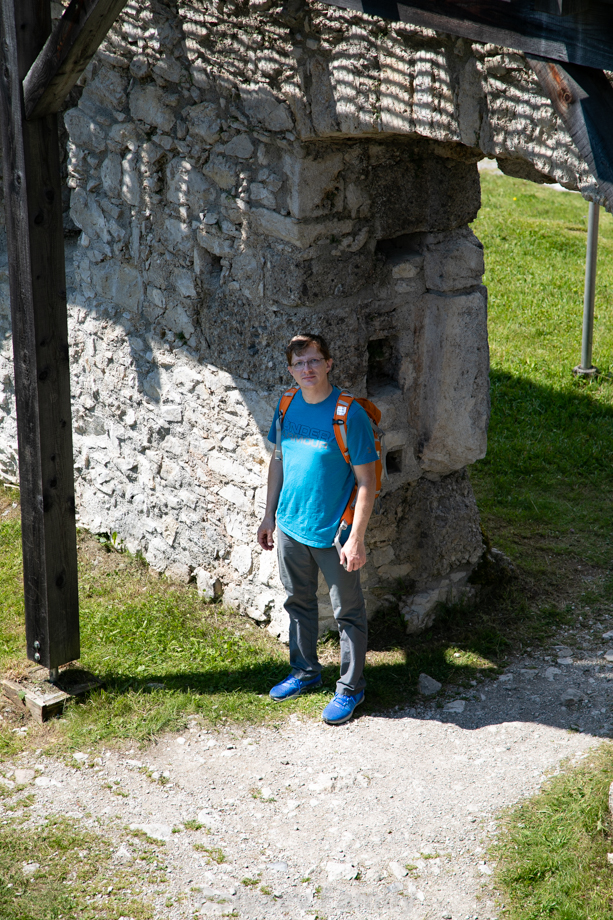
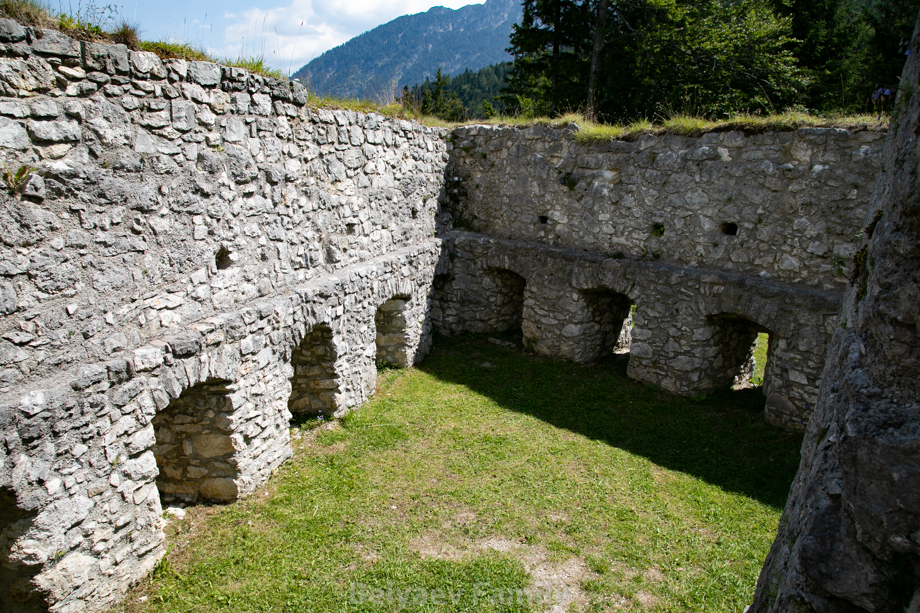
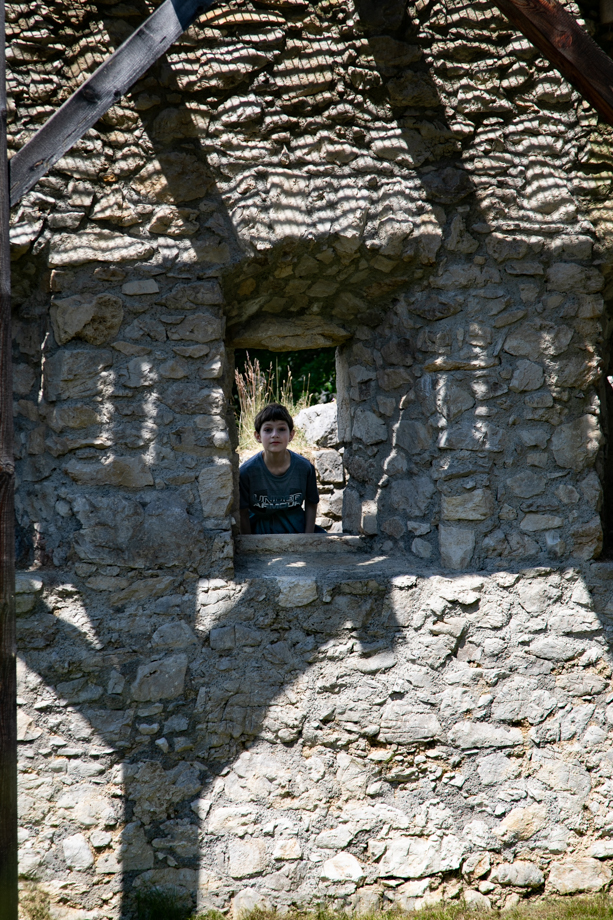
Pavlik is looking through the gunport
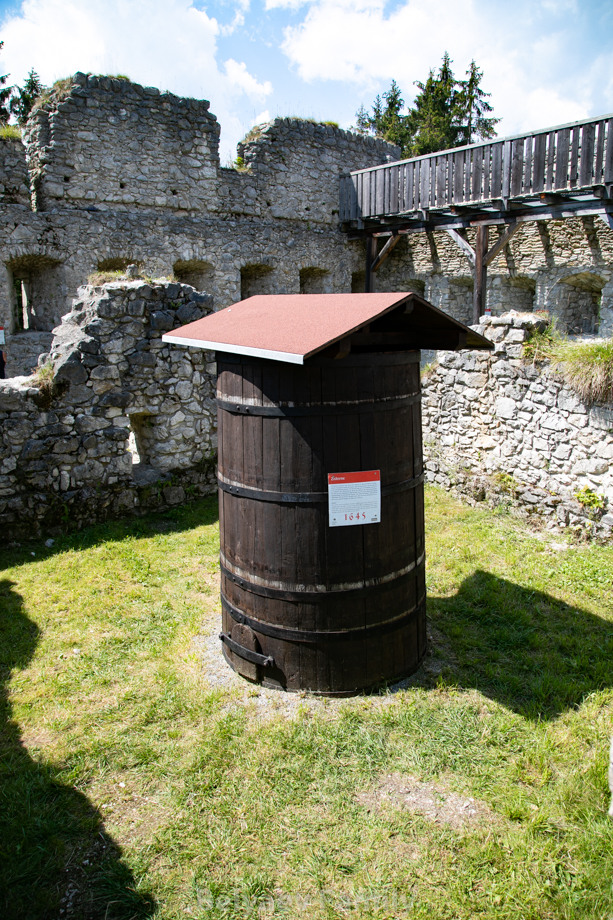
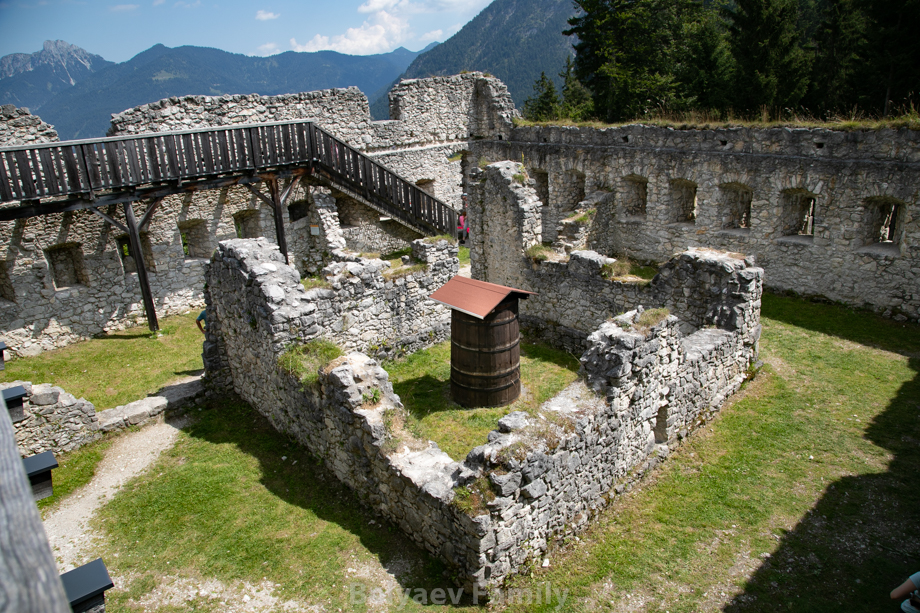
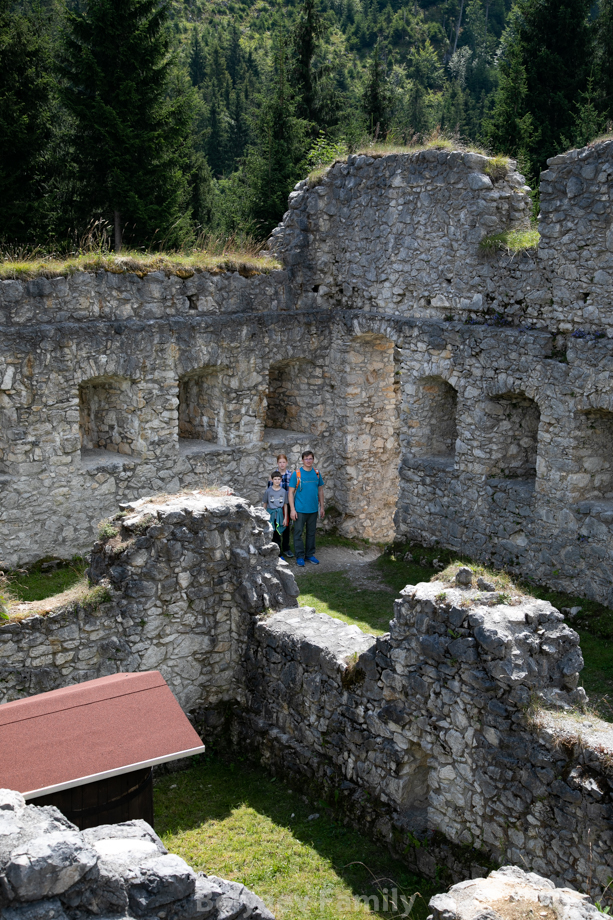
Behind the outer walls were two-stories barracks. the ground level was for the defense, and upper level is where the soldiers lived. In the center of the fort was located the huge barrel. It was intended to collect the rain water, or melted snow, that was coming from the roof. Also that water was used as supply for the soldiers.
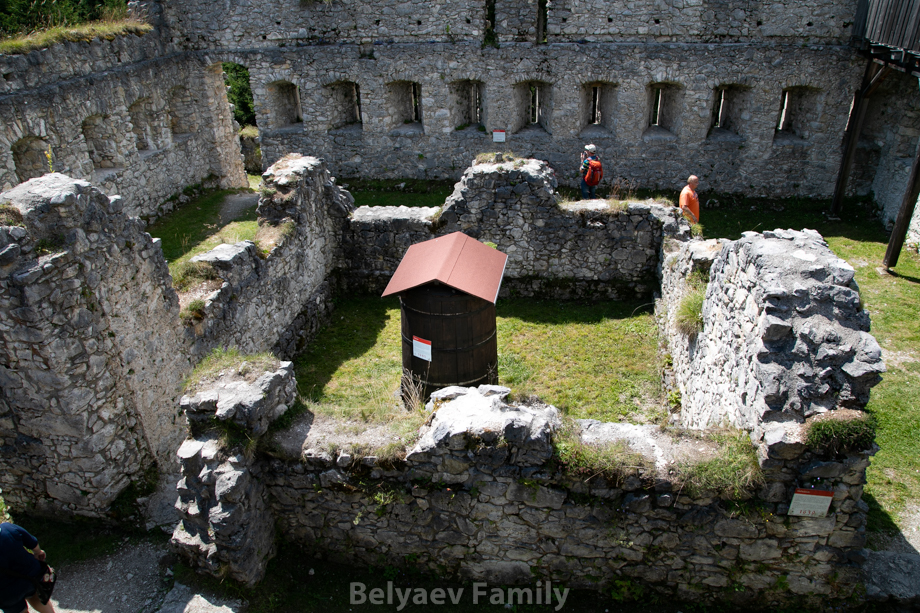
The Schloßkopf fortress ruins are visible from here.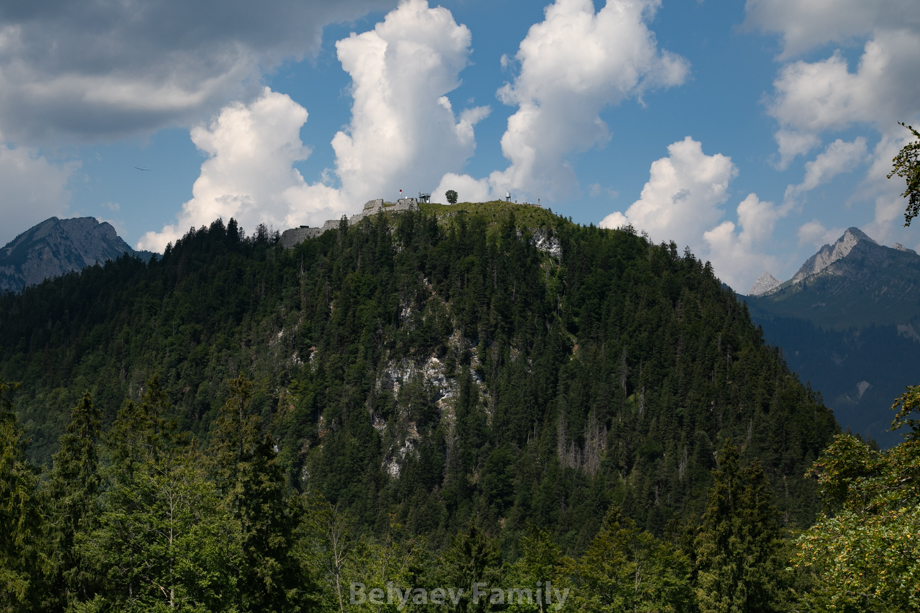
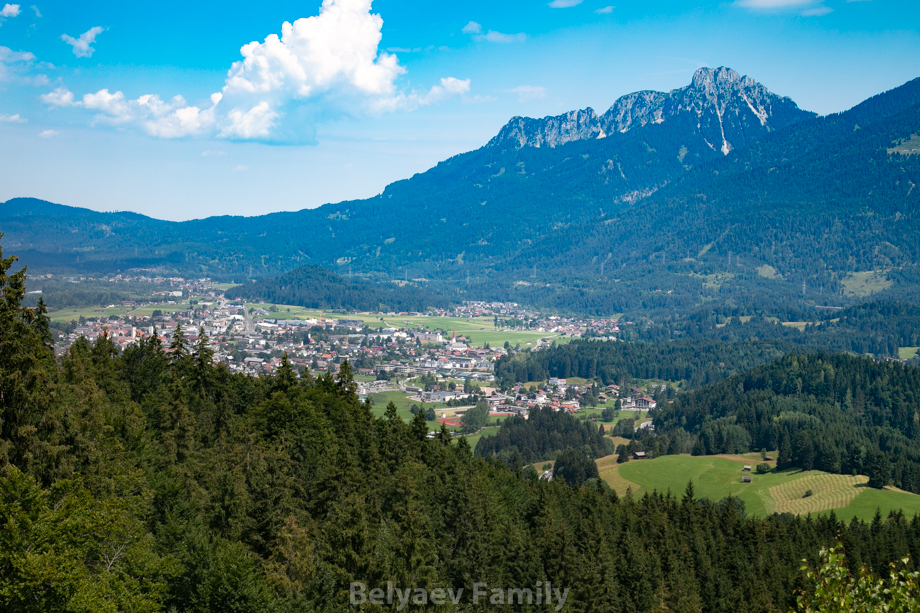
Views from the gallery
After the fortification system was ordered to be closed down, the fort was still inhabited up until the 19th century. The location of that place was so well hidden so even the local people knew almost nothing about it.
The reconstruction of the Fort Claudia began in 1999.
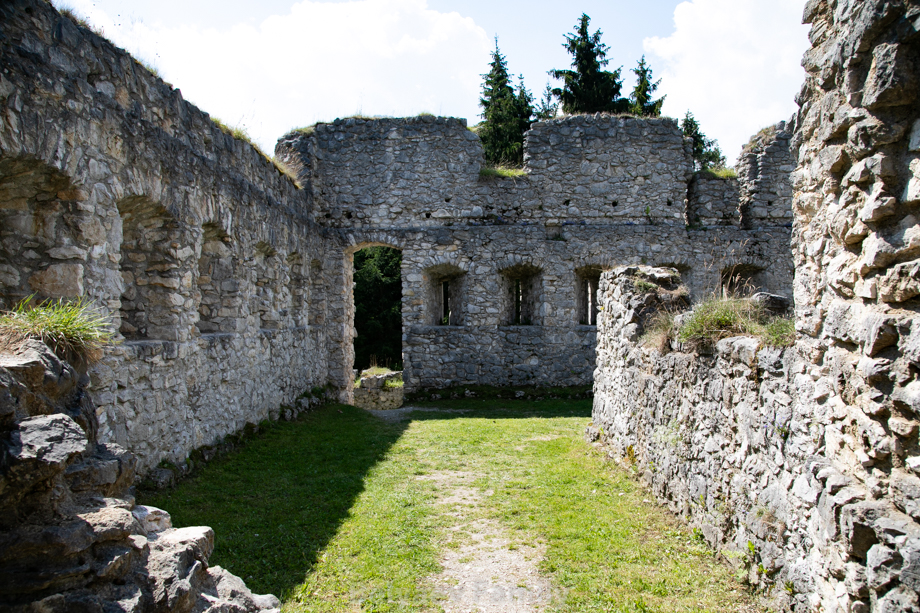
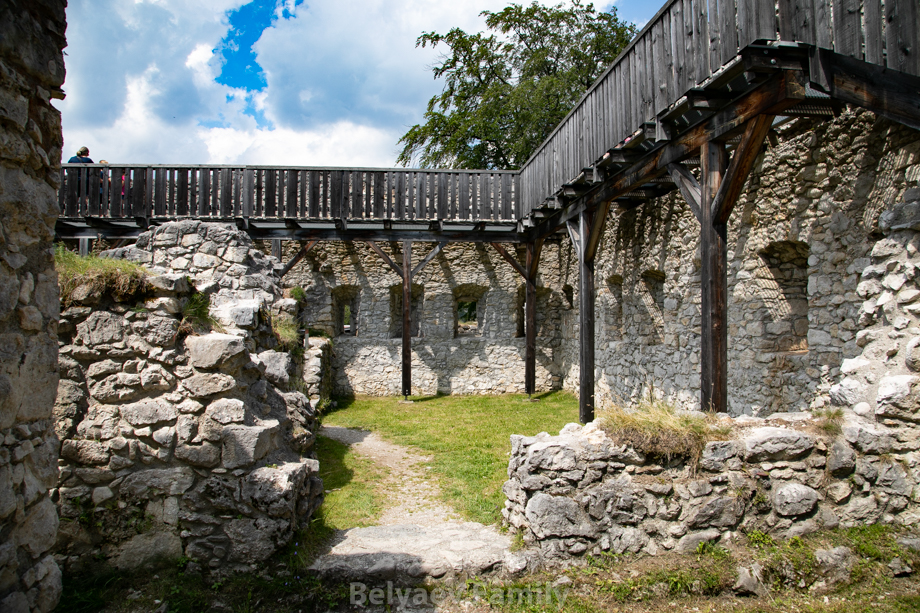
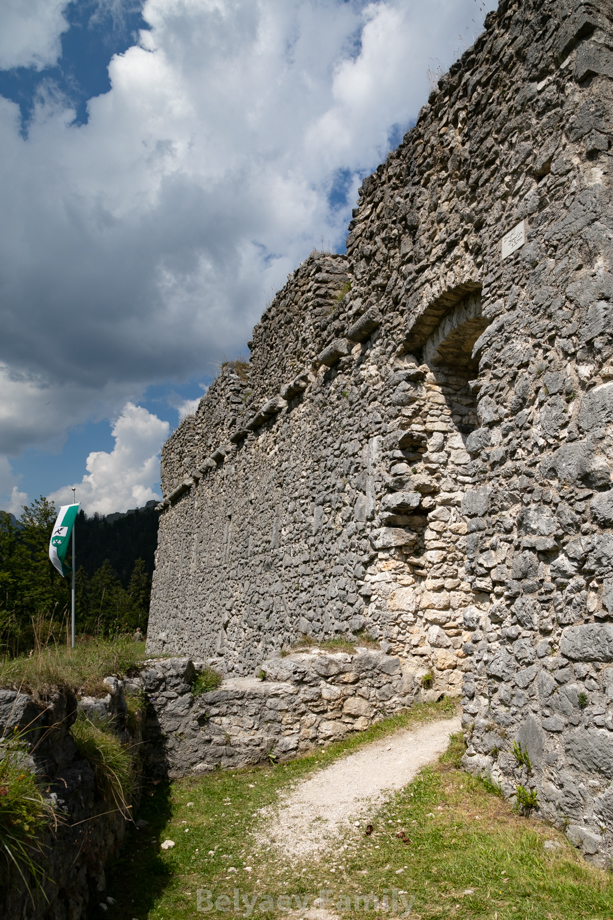
By the time we were done, it was well past noon, the clouds started to build up and we hurried back. We still have a good several hours driving in front of us. Next our goal was the Neuschwanstein Castle and then Munich, where we booked a room.
Back in 2012 I spent endless hours assembling the 4000 pcs Neuschwanstein Castle puzzle. Ira helped a lot, but still, it was quite a lot work. And now we can’t miss the opportunity to look at the castle itself.
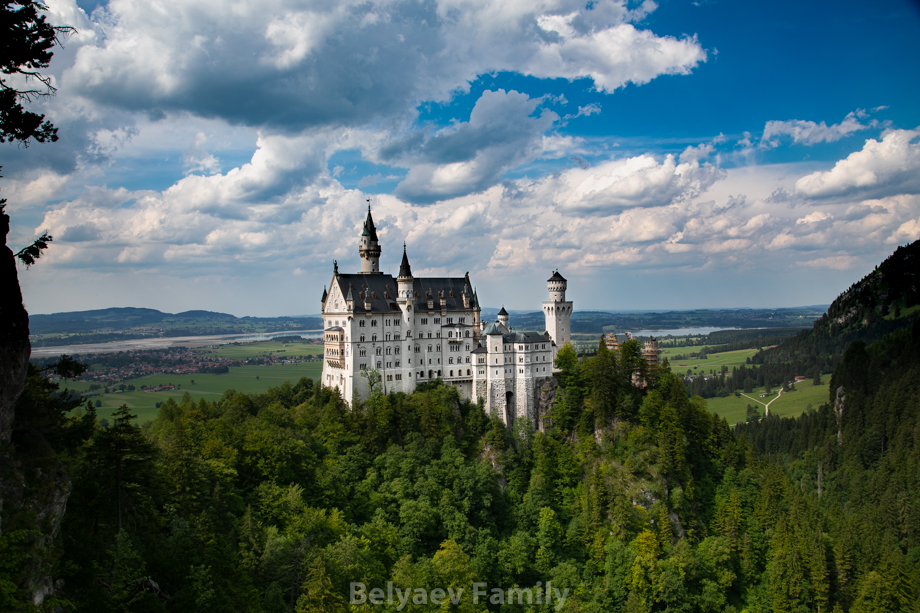
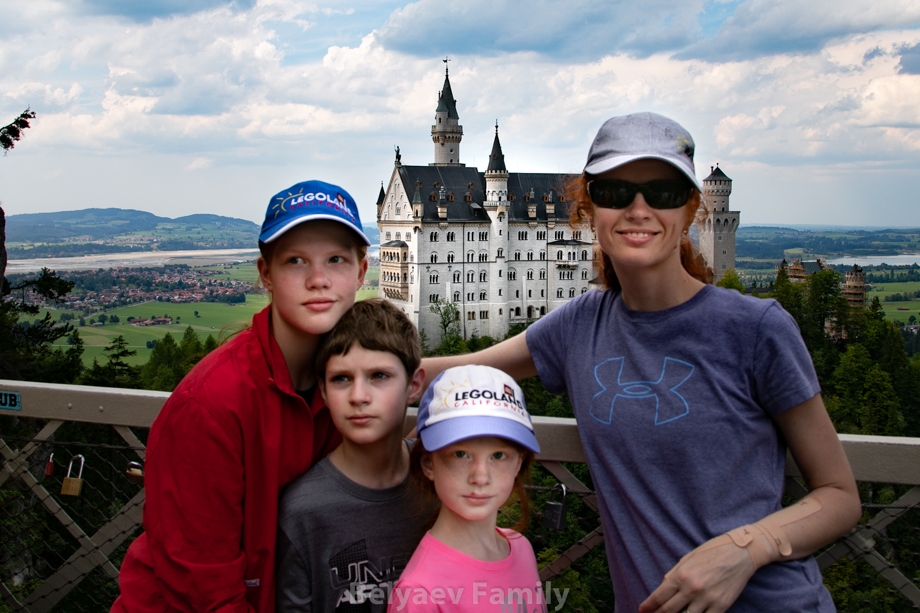
We didn’t book a tour to visit the Neuschwanstein Castle inside, so decided just to look outside. Man, how many people were there! Very popular tourist attraction, comparing to Ehrenberg ruins were we saw maybe fifteen other people here were thousands! We even stood in the line only to look at the castle from the bridge. The view was great, and worth it, but by the time we finally got our feet to the bridge we were exhausted. So after enjoying the view no one express a desire to walk around the castle any longer.
We went to the car and continued our way to Munich.