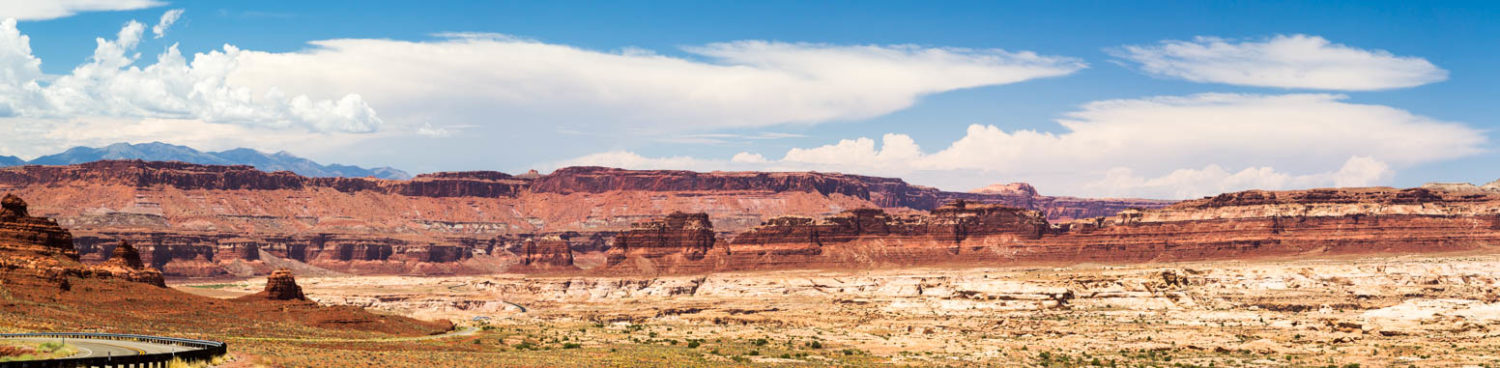


Finally that day has come, and after fast Monday packing we are prepared for our vacation. The car is ready and so are we.
Tuesday morning, after sending our cat a good-bye kiss, we jumped into our Tundra and started our big journey. First we are heading to Chicago, there are 2100 miles according to the map and we decided to split the driving into three 700-mile chunks.
Just about 700 miles away from our home there is a ghost town in Montana. All Tuesday we were driving, taking turns with Andrey. I can’t drive longer than two hours, but that’s enough for Andrey to relax and have short sleep. And I found out that music keeps me awake so I usually drive singing out loud. Luckily Tundra has huge seats so I can even dance a little bit.
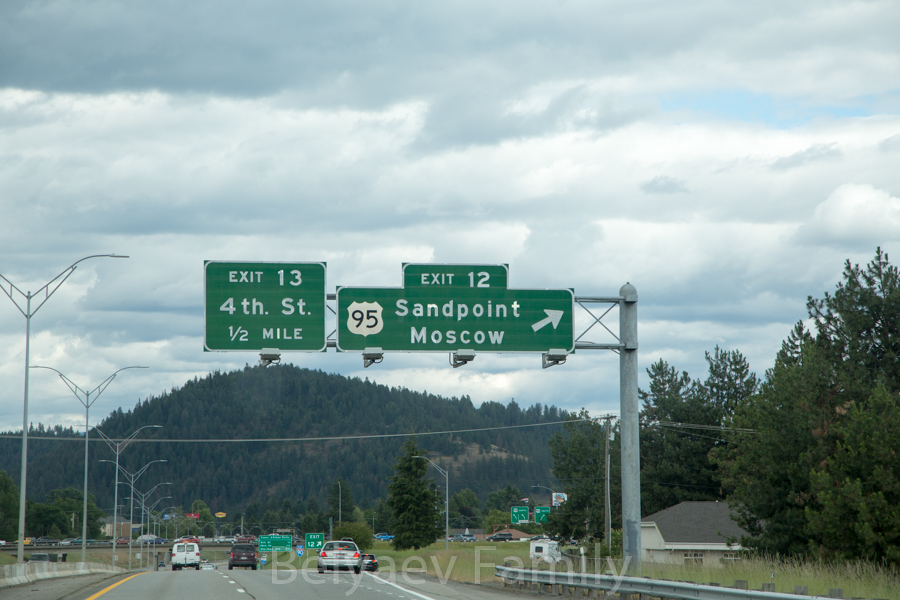
Turn to Moscow?!
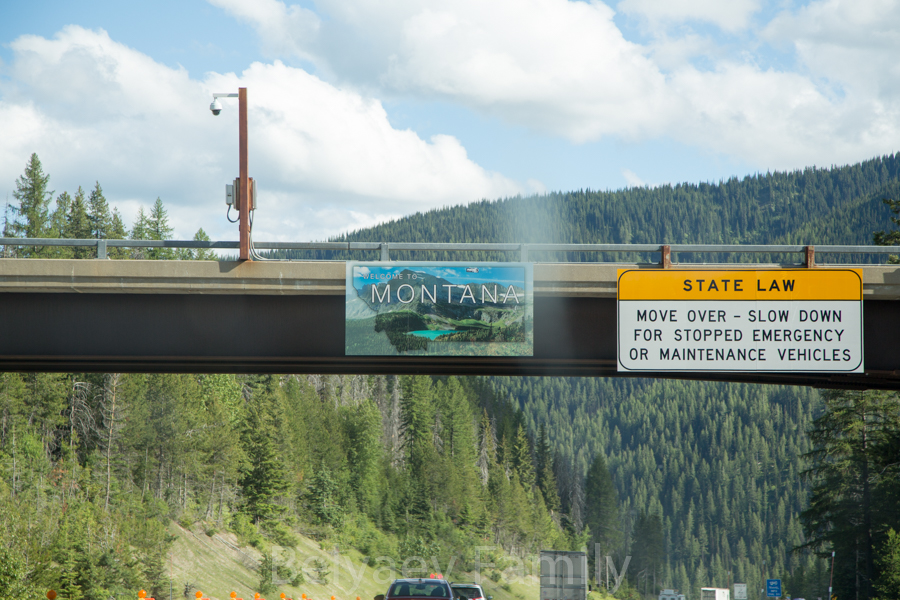
We are in Montana

So after almost eleven hours of driving, crossing borders of four states (Oregon, Washington, Idaho and Montana), early Wednesday night we came to Dillon, MT. Next morning we were heading to the ghost town named Bannack.

There was a rain of bugs during the night before
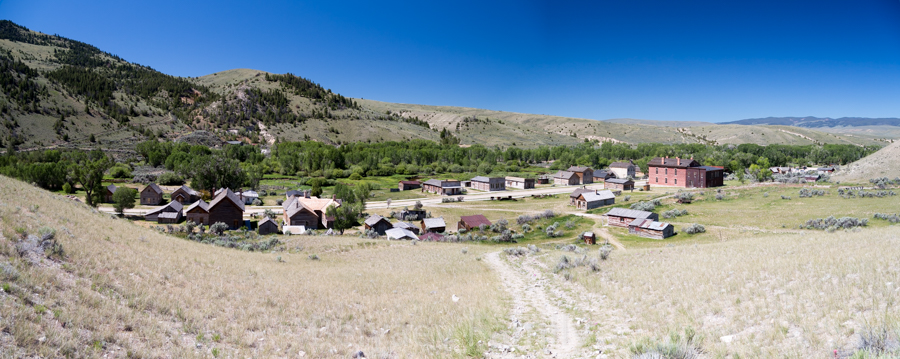
Bannack’s history began over 150 years ago, in July 1862, when John White and his friends discovered gold along the banks of the river. They didn’t know that creek already was named ‘Willard’s Creek’ by Lewis and Clark, so they gave it new name – Grasshopper, because of the huge grasshopper population in the area. Good news traveled fast and miners rushed to the ‘Grasshopper diggings’. The mining camp, soon to be known as Bannack, had a population of about 3000 in the spring of 1863.
The first families to arrive in Bannack knew a great deal of hardship. After the difficult and dangerous move here, they found out that there is no place to live except for the wagon that brought them. If a family was fortunate enough to find a cabin, it was usually small, uncomfortable and expensive. Those families that had the necessary skills often built their own cabins. For the most part, Bannack was made up of single men or men who left their families behind, intent on making their fortunes. In the winter of 1862-63 population of Bannack was about 400, but only 30-35 ‘respectable’ women.
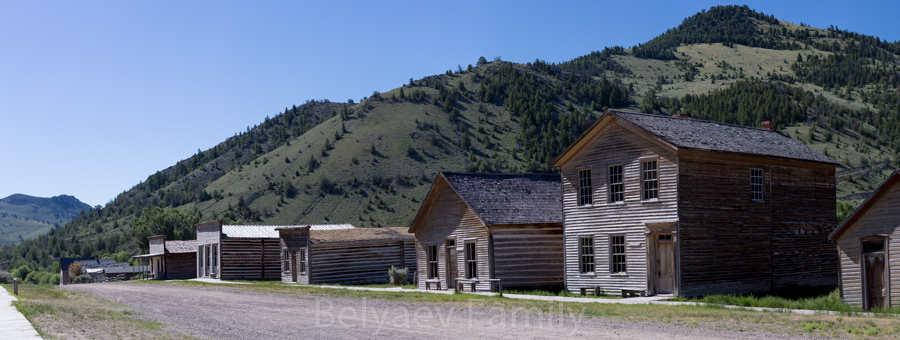
Bannack’s main street

The sidewalk
Mary Edgerton wrote during winter 1863-64:
“I have been waiting for an opportunity to send a letter to Salt Lake or I should have written before. We have to pay a dollar for sending or receiving each letter. I tasted butter for the first time since we came here and it was a treat I can assure you, but as long as it is ten and twelve shillings a pound I think we shall do without it most of the time. Everything is very high here. Sugar is 75 cents a pound, pork sixty, flour from twenty five to thirty, nutmegs 50 cents an ounce.
We had extremely cold weather here the week before last. The mercury in the thermometer after going forty degrees below zero froze in the bulb. I never knew such cold weather. I was so afraid that the children would freeze their noses or ears that I got up a number of times in the night to see that their heads were covered. Their beds would be covered with frost.”
As the easy to work placer deposits played out, Bannack’s population declined. When new technological developments permitted the more difficult gold deposits to be mined, Bannack did experience a number of small boom periods. With the start of World War II all non-essential mining, including gold, was prohibited which represented the beginning of the end for Bannack. Mining did resume after the war but because of the low price of gold, mining did not make a comeback and the population continued to decrease. With the decline of the mining, people were forced to go elsewhere to find jobs. The post office closed in 1938, the school was closed in 1940’s, there was no doctor, no grocery store.
After end of WWII works to preserve some of the Bannack buildings was started. Bannack was not to be made into tourist town in competition with Virginia City, the ghost town atmosphere was to be preserved. Over 60 buildings remain at Bannack today and some of them are open for visiting.
This house was once owned by the Turner family. Arthur Contway purchased the building in the early 1900’s and it served as his residence, Post Office, barbershop and had the only telephone in town for some time.
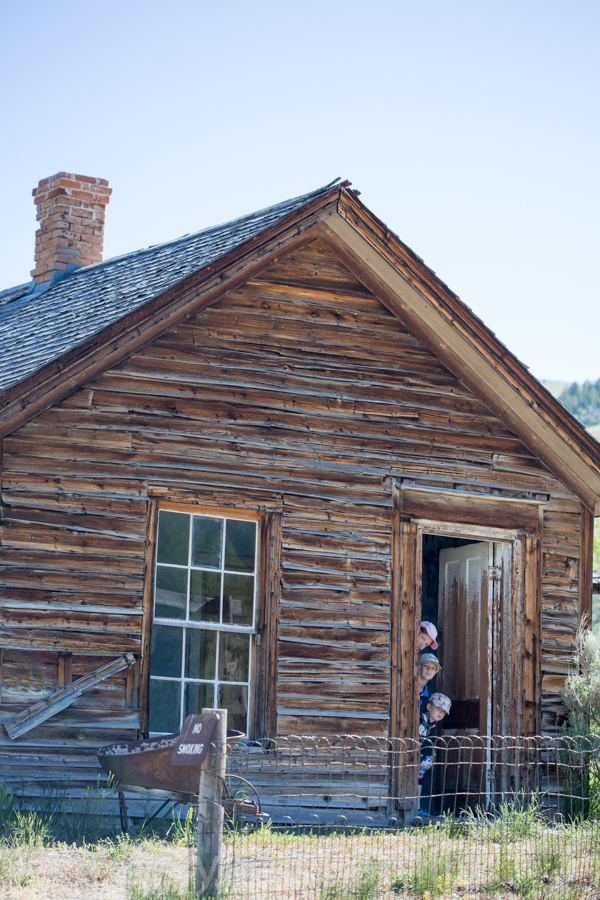
Turner House
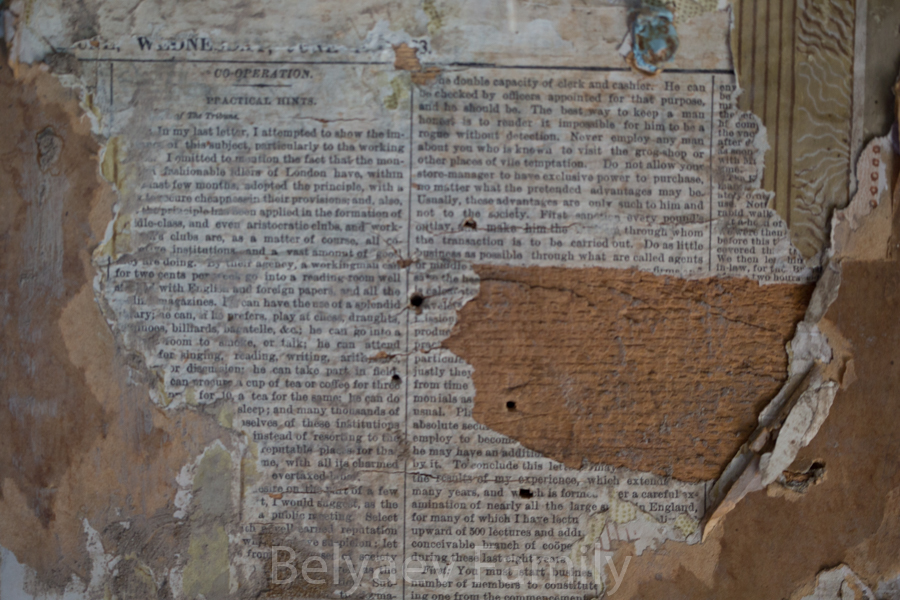
Piece of newspaper that was used as a base
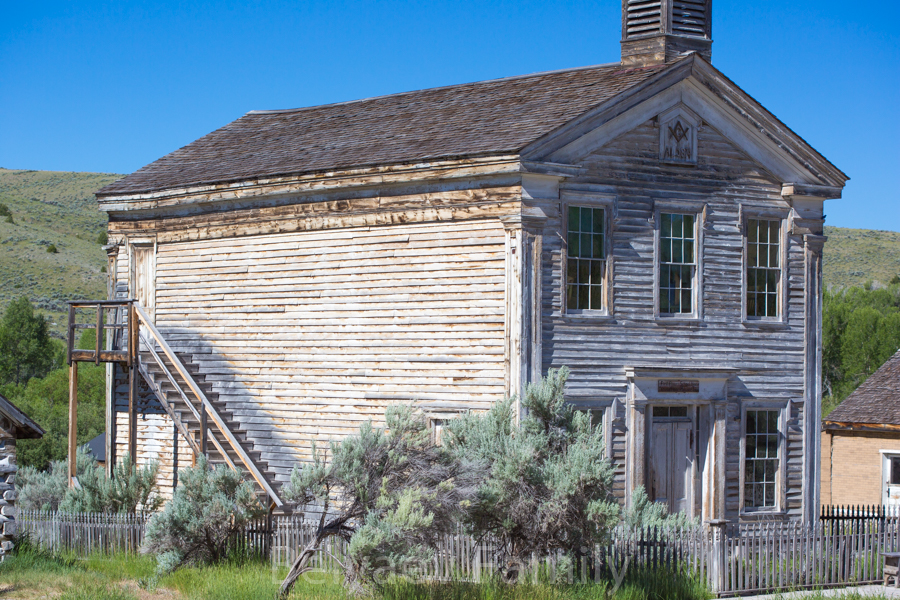
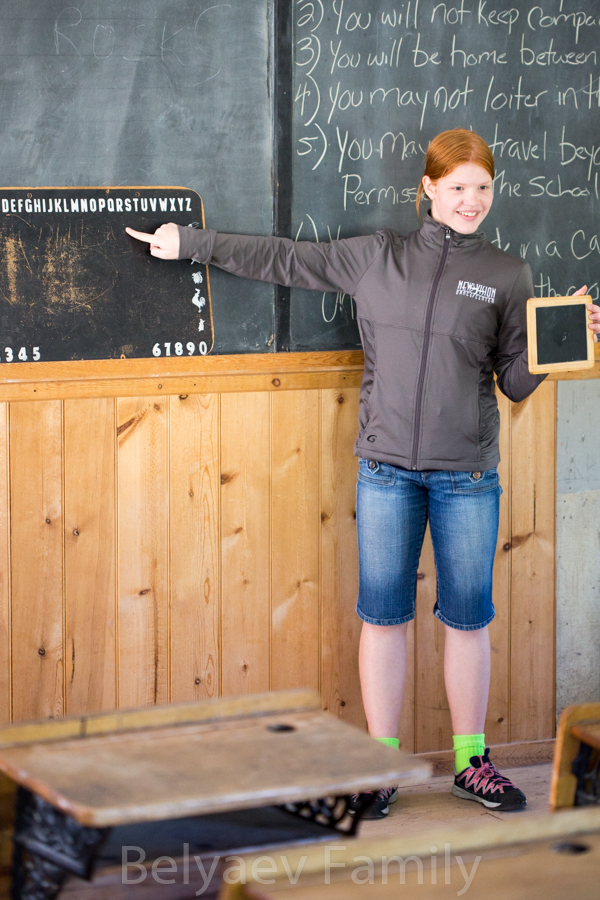
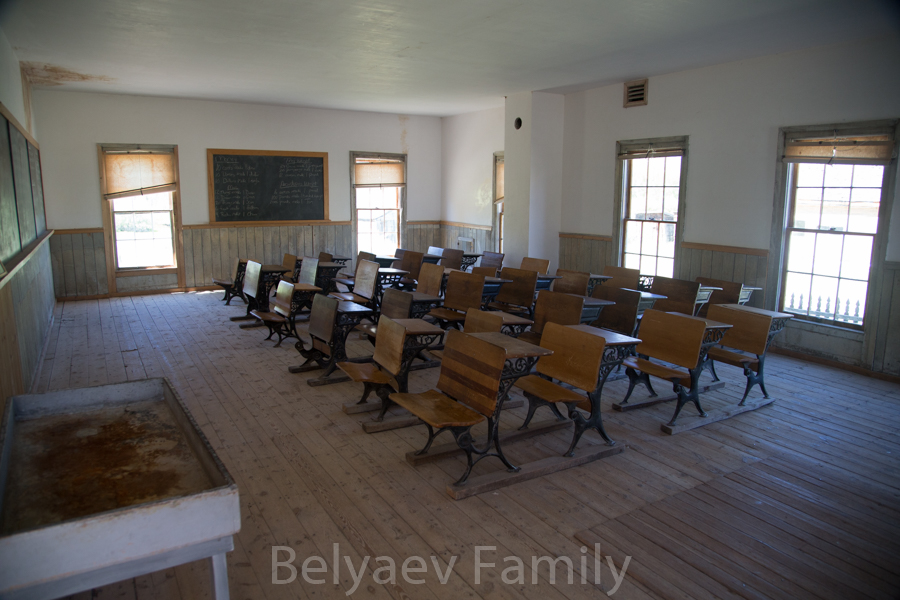
The first school in Bannack was private, with parents paying tuition for their children to attend. One of the first teachers in Bannack was Lucia Darling, the niece of Chief Justice Edgerton. She held her first classes in the living room of her uncle’s home in the fall of 1863.Less than a dozen students attended at first, but by the summer of 1864 the number of students increased dramatically so a crude log building was built to serve as Lucia’s school house. In 1874 realizing the need for a school, Bannack Masonic Lodge #16 built the combination lodge and school. This was a public school serving students in K – 8th grade.The first floor of this building served as the Bannack school. At times the school fell in disrepair and at other times it was simply too small for the number of students so other buildings including the church and Gibson boarding house where used to fill communities needs. Some students reported snow blowing in through the cracks between the wallboards and school books were rare, usually consisting only of what families or the teacher brought with them.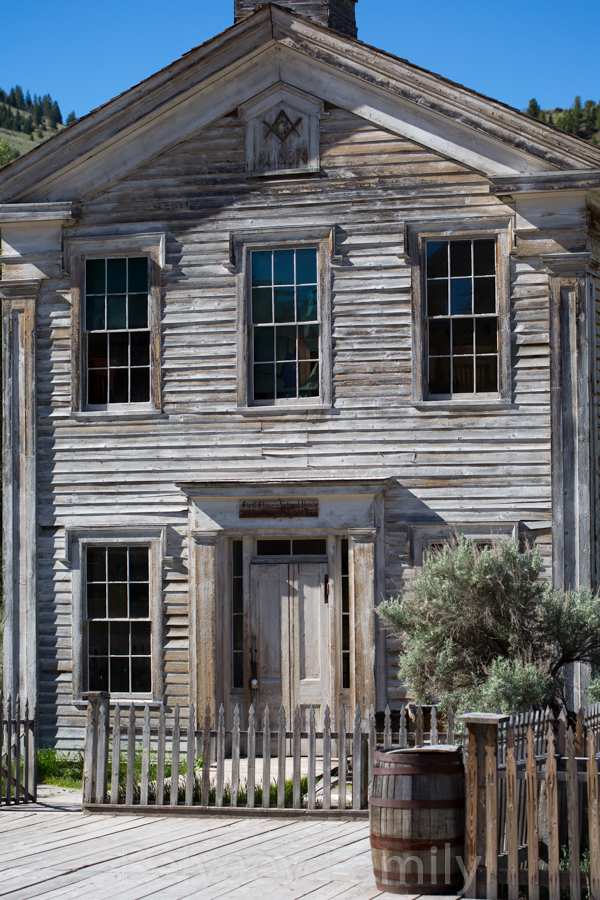
Mary Edgerton, 1863
“I want you to send some school books for the children; Greenleaf’s Higher Arithmetic such as was used in the Academy, Town’s higher reader for Wright and geography suitable for him, a reader for Sidney and Pauline’s primer.”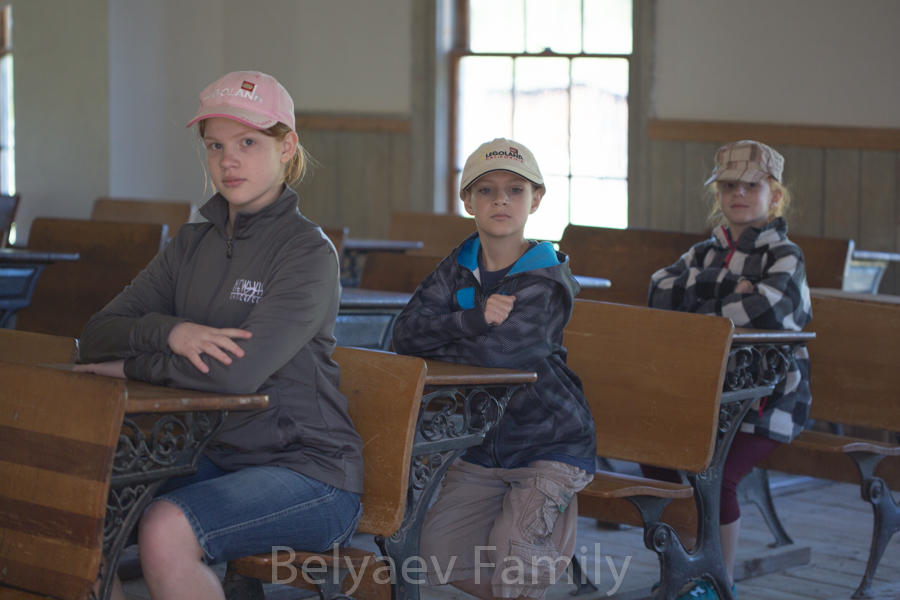


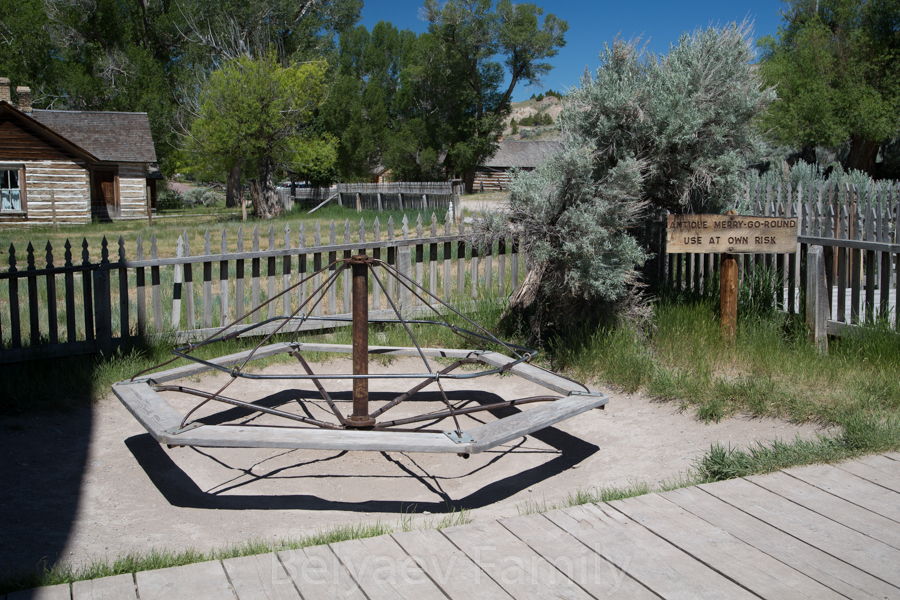
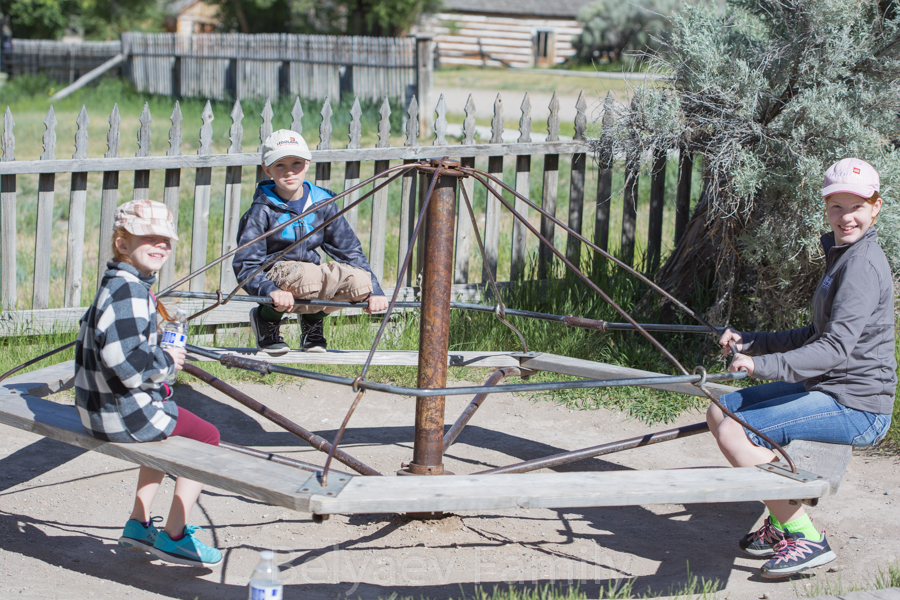
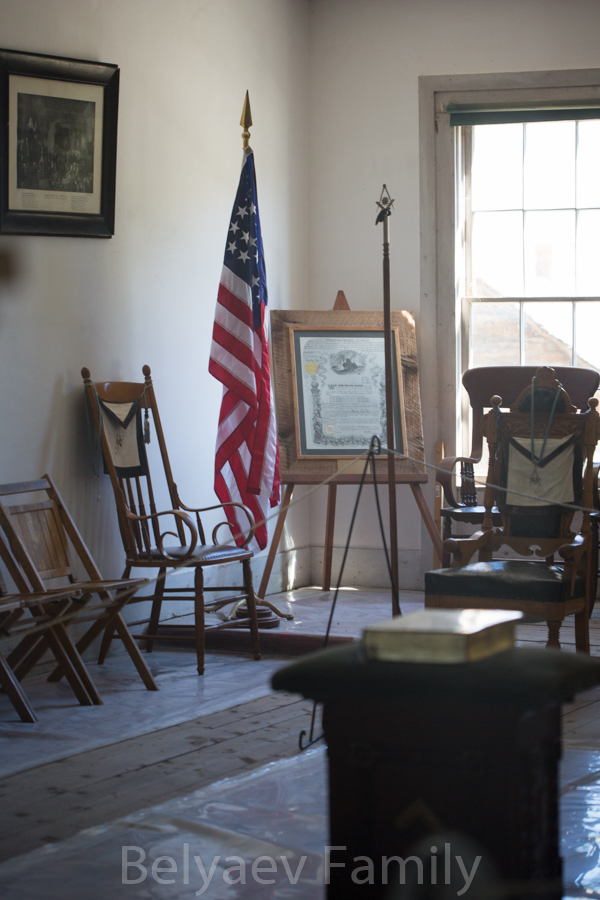
Masonic lodge
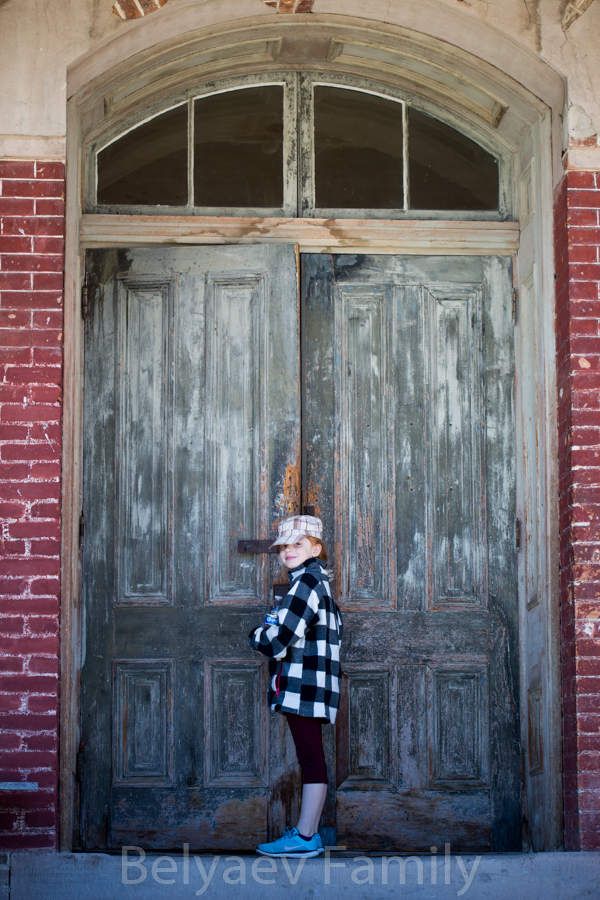
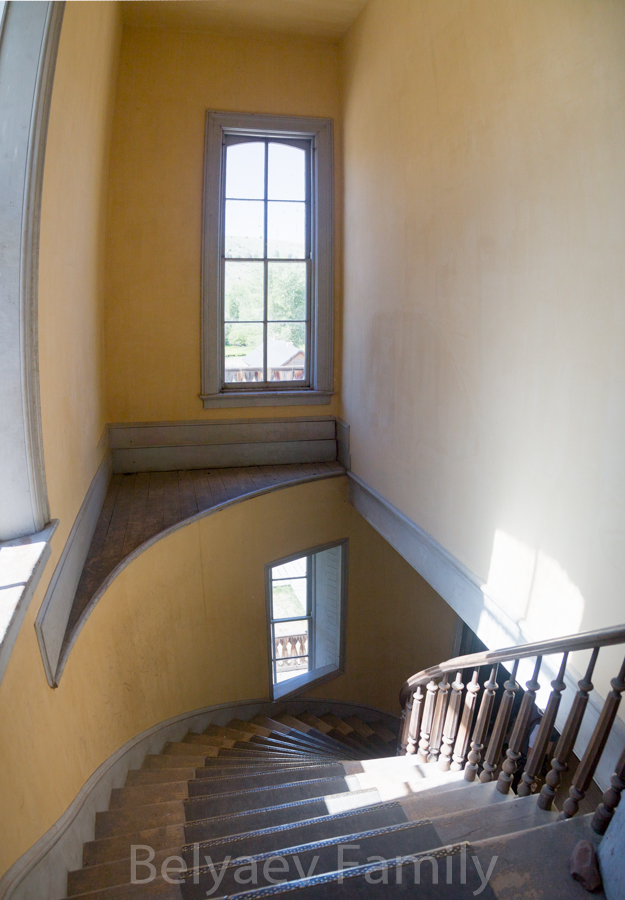
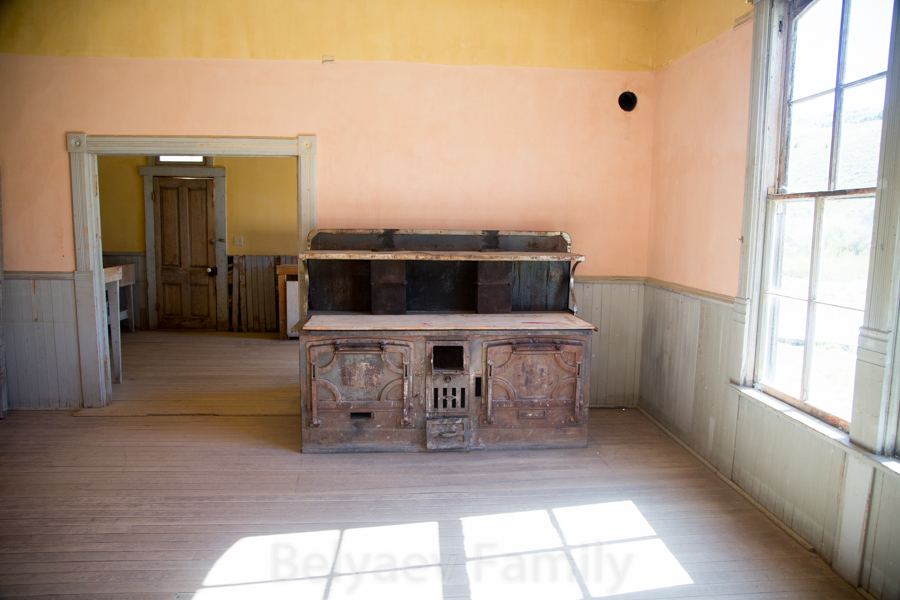
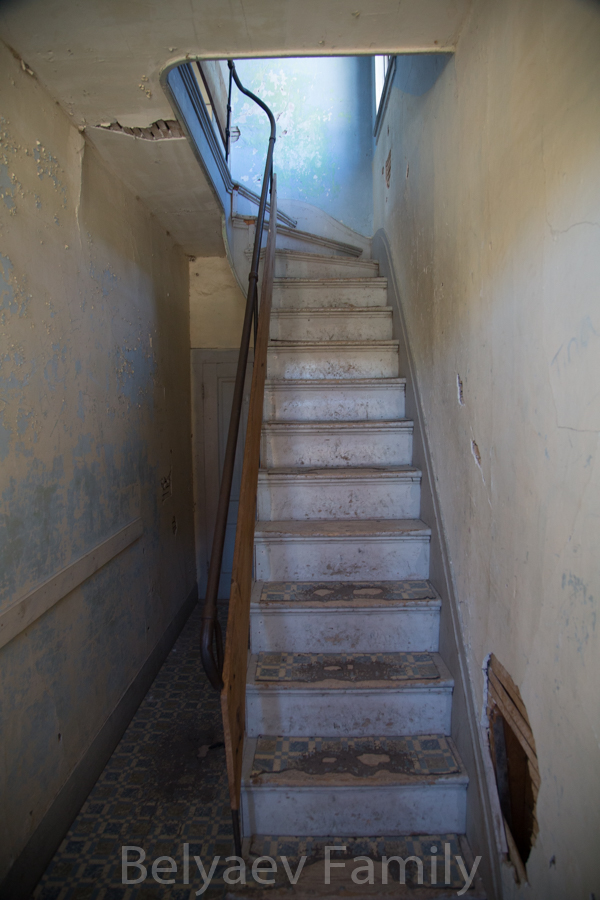
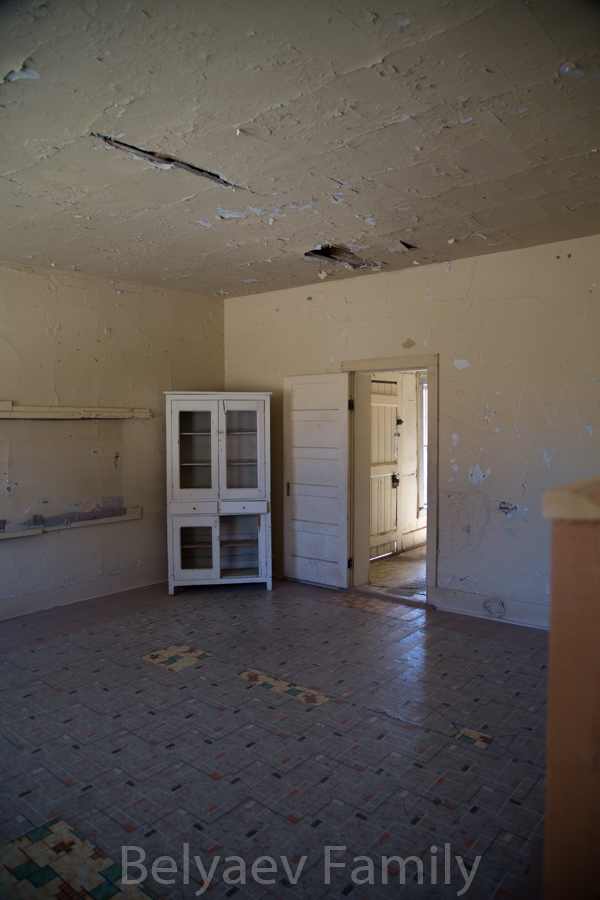
County Court House (now Hotel Meade) was built in 1875 for $14,000. In 1880 the Utah and Northern Railroad entered the region and established a terminus in Dillon, so in February 1881 Dillon was chosen as the county seat by a vote of 665 to 495. The large brick building remained empty until 1891 when it was purchased by Dr. John Singleton Meade for $1,250. Dr Meade remodelled it and turned the building into a plush hotel. A large kitchen, dinning room and living quarters were added to the back of the building. The Hotel became the center od Bannack social activity and temporary home of many Montana travelers. It operated off and on until the 1940’s.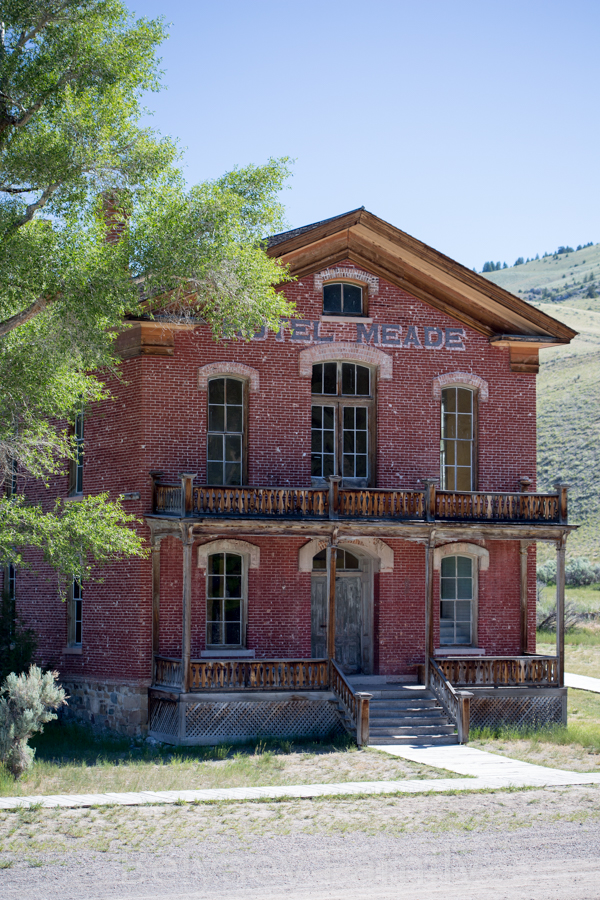
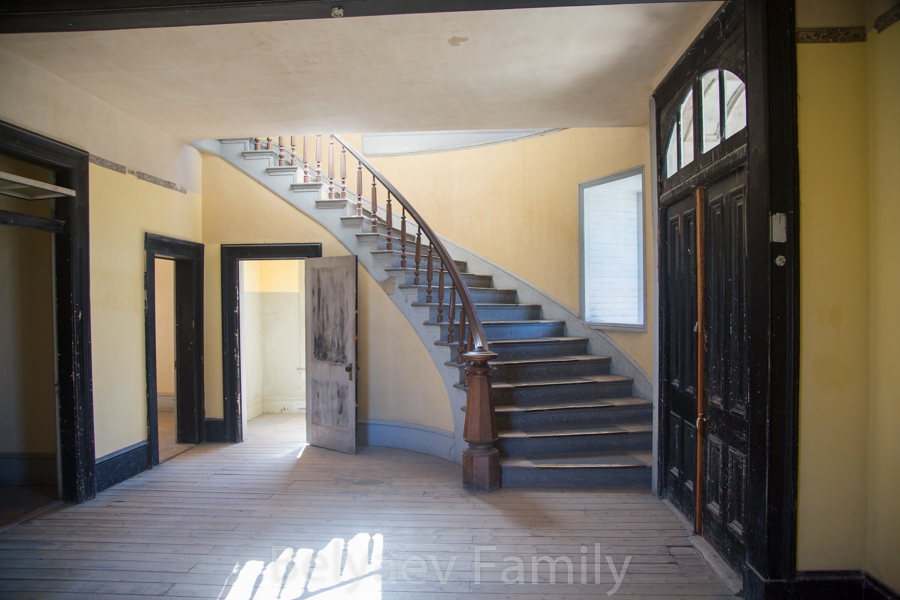
Main stairs
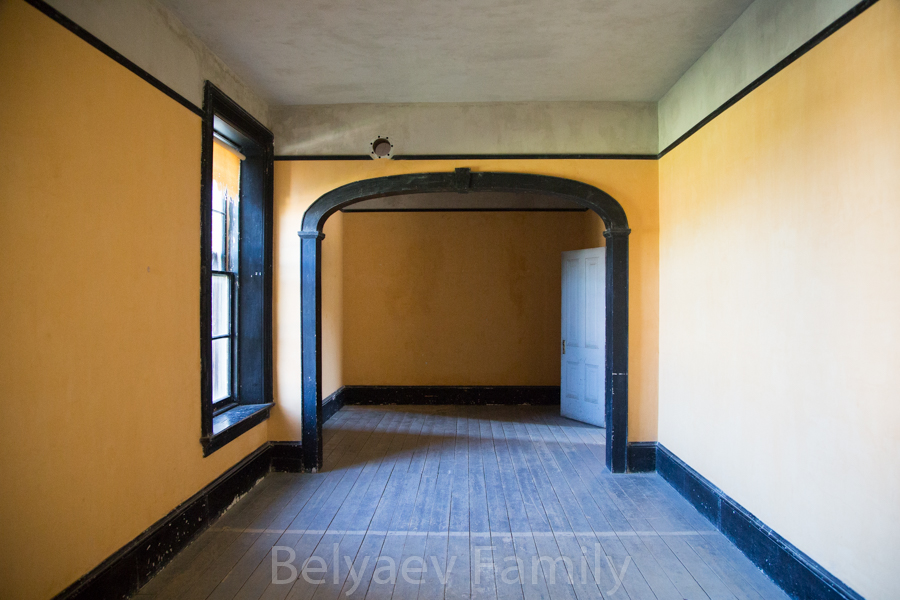
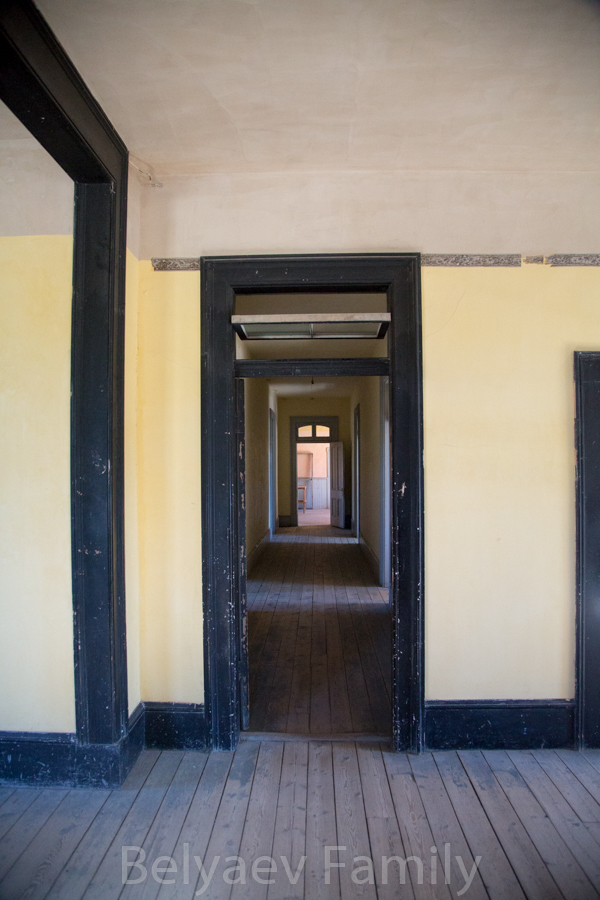
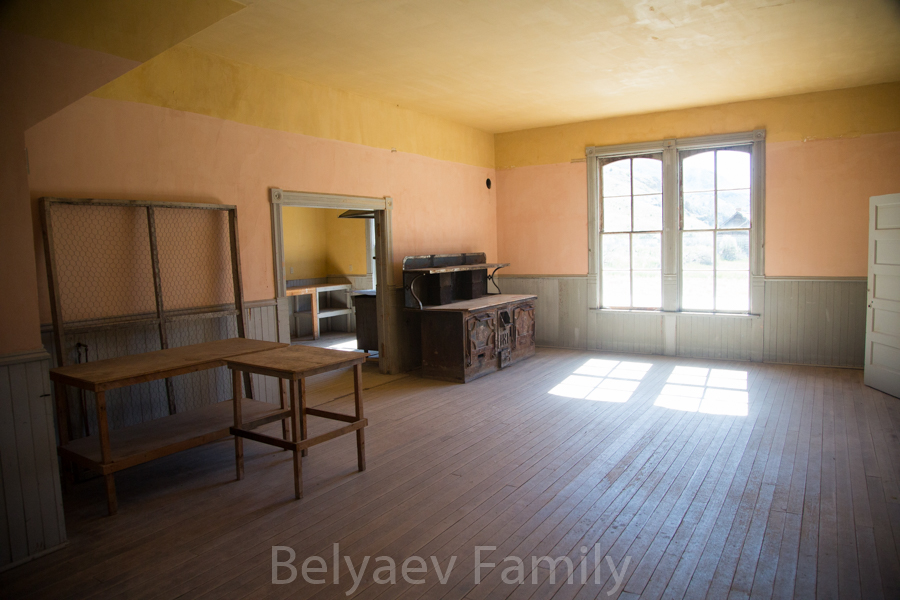
The dinning room
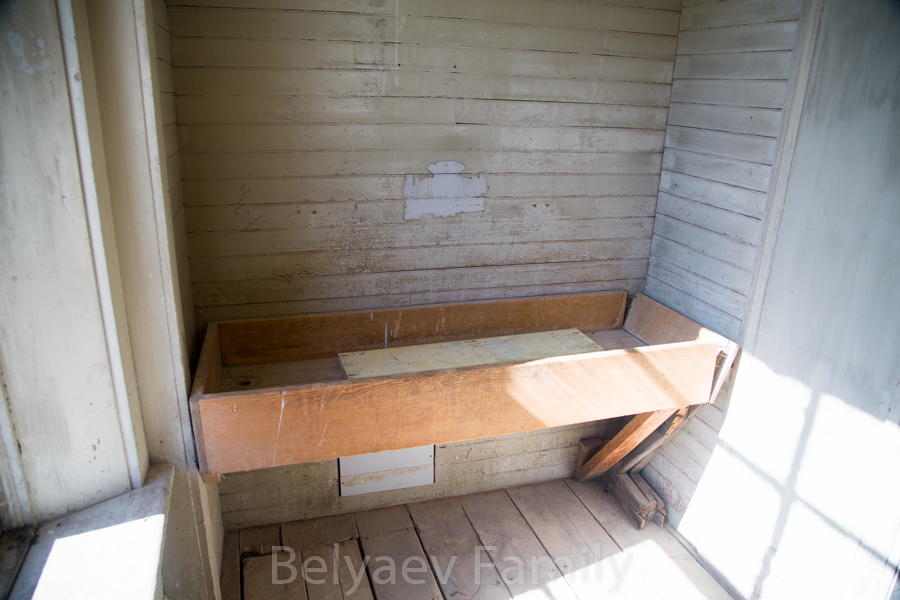
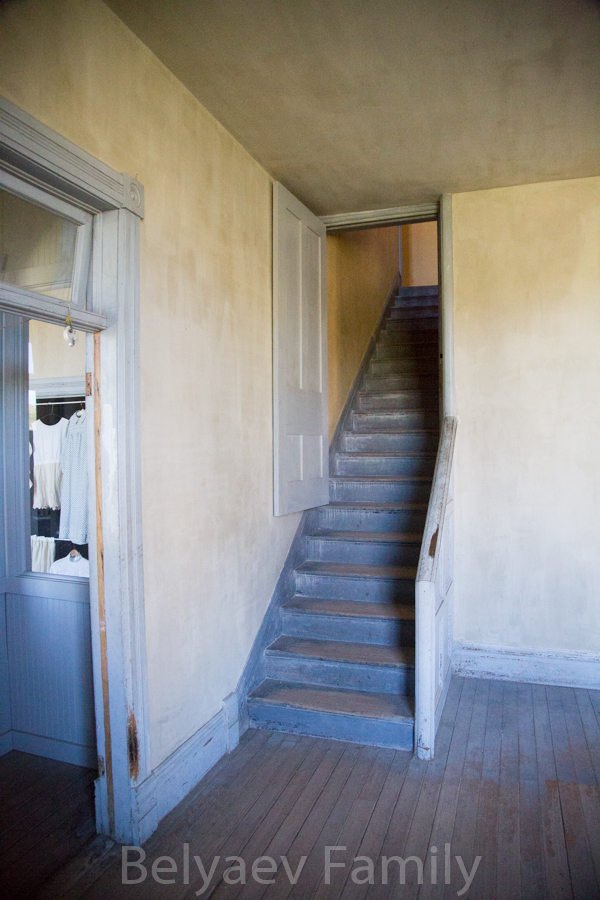
Back stairs
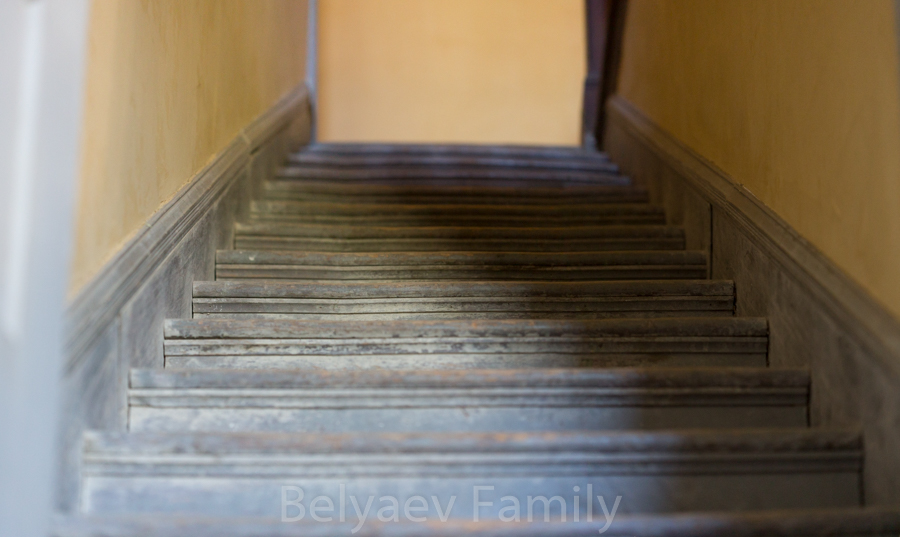
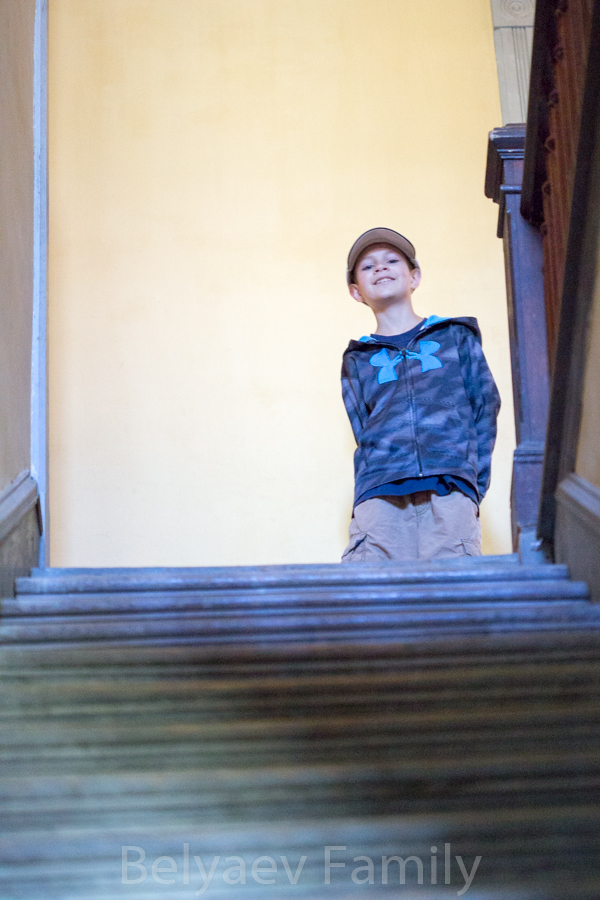
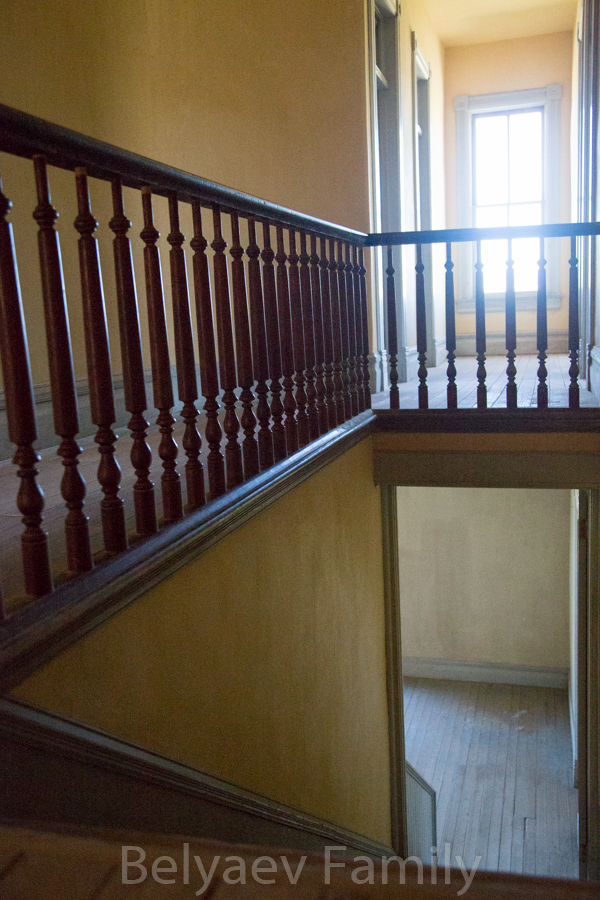
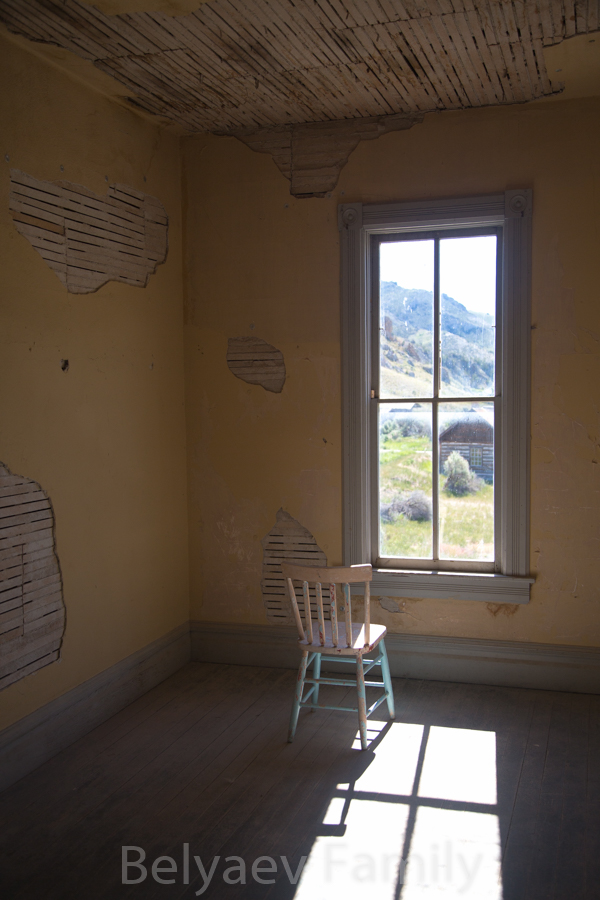
Inside one of the bedrooms on the second floor
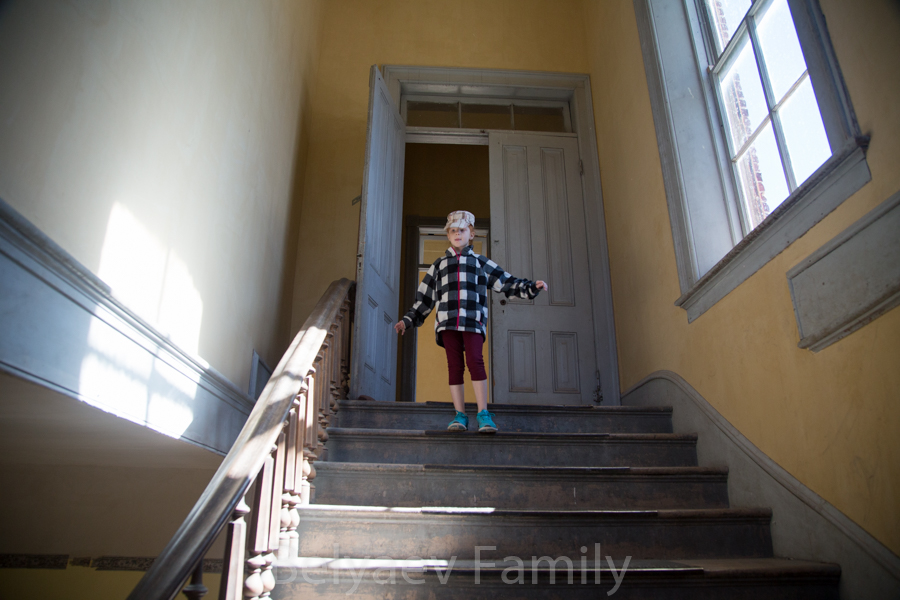
Kate is going down
There is Skinner’s Saloon next to Hotel Meade.
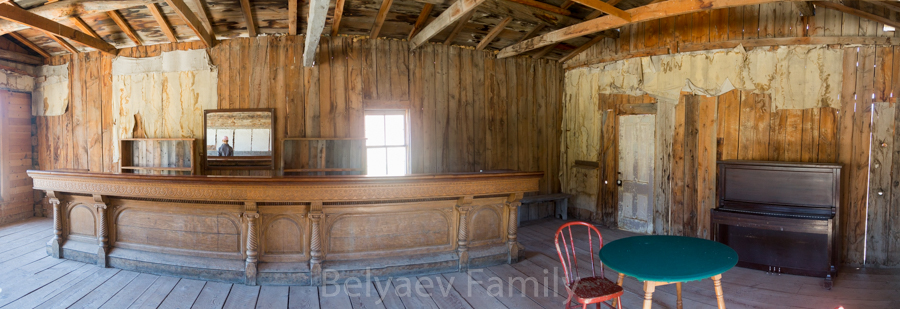
In the Saloon
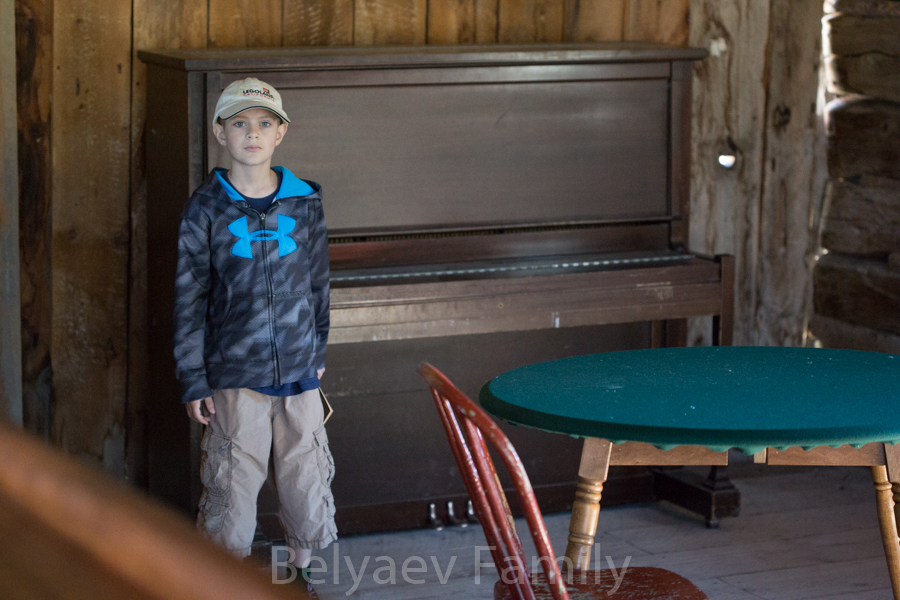
The Roe/Graves House was the first frame building built in Bannack. William Roe was one of the first of many to become rich in Bannack. He filed one of the first claims here, but his interest turned to the more profitable businesses of freighting, merchandising and bankikg. He and his brother Isaak opened a general store, and meat market and soon after licensed a banking business to buy gold. He was one of those who capture Sheriff Henry Plummer and two deputies Ned Ray and Buck Stinson. They organized a criminal gang and recruited approximately 25 men. In eight months this gang supposedly committed countless robberies and 102 murders. Henry Plummer was hanged on the gallows that was built by his order.
Later William Roe moved to Dillon and house was acquired by F.L Graves shortly after he helped develop the first electric gold dredge.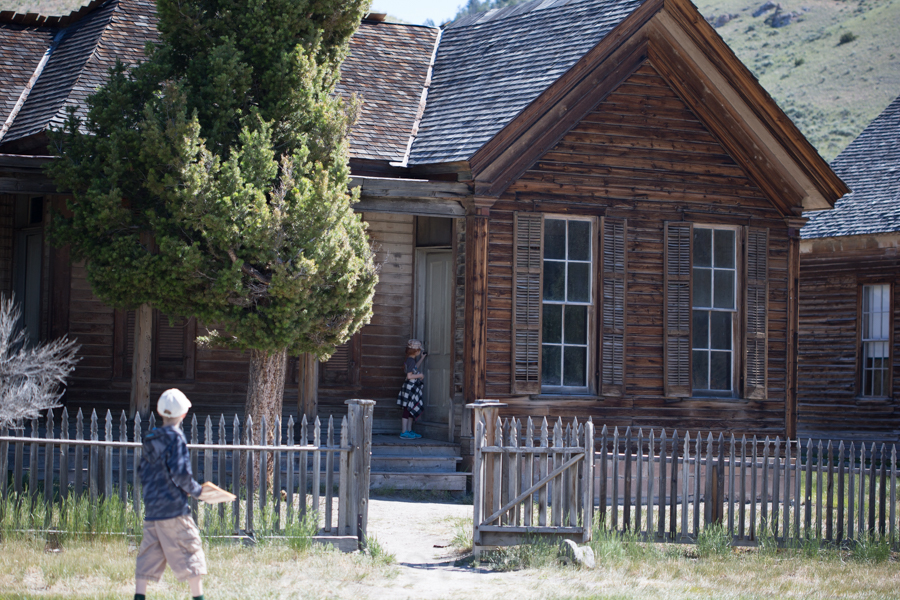
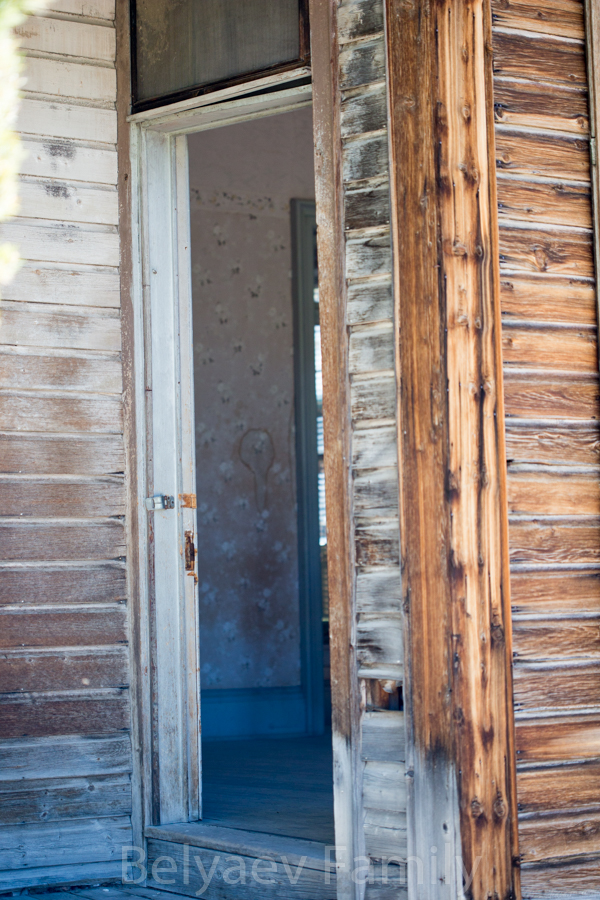
Entrance to the building
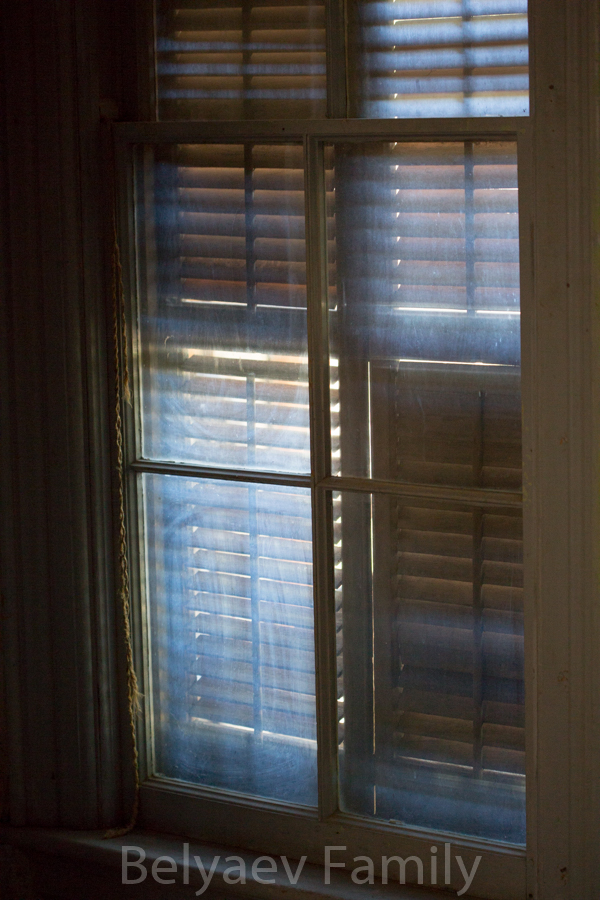
The blinds outside of the house can be moved
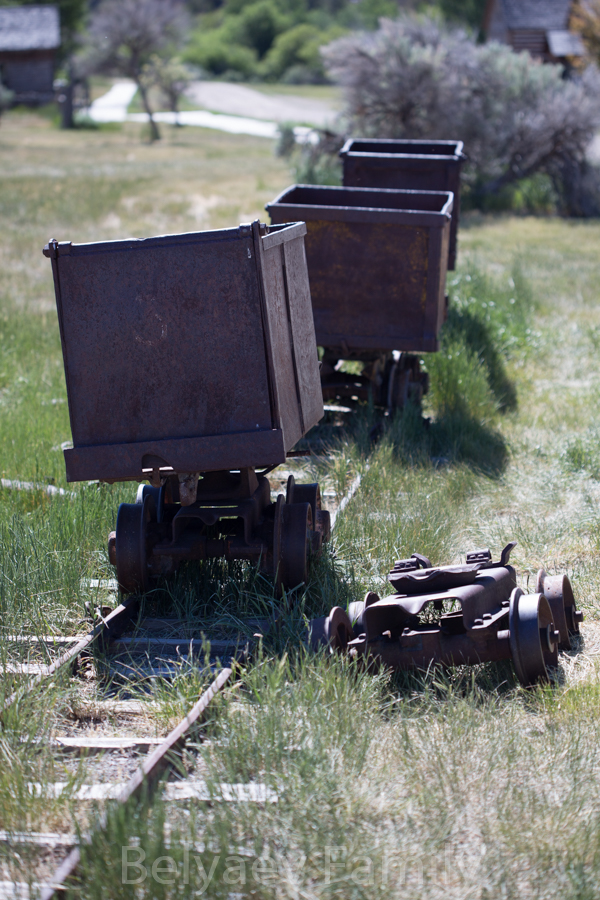
Mining artifacts
In August 1887 Bannack had a major scare. On August 9-10 the Nez Perce fought elements of General Gibbon’s 4th Infantry at the bloody Battle of the Big Hole. Word reached Bannack that the Indians were headed straight for them. People from surrounding area gathered here to seek protection and crude breasts works were built on the highest points of the hill on either side of Hangman’s Gulch to watch for their approach. Women and children gathered at the courthouse and it was said plans were made to lock them in the safes if an attack did occur. Although the Nez Perce did kill four ranchers in Horse Prairie, southwest of Bannack, they never threatened the town. After it was apparent the town was safe from attack, Brother Van took advantage of the large number of people in town and talked them into completing the first and only church in Bannack.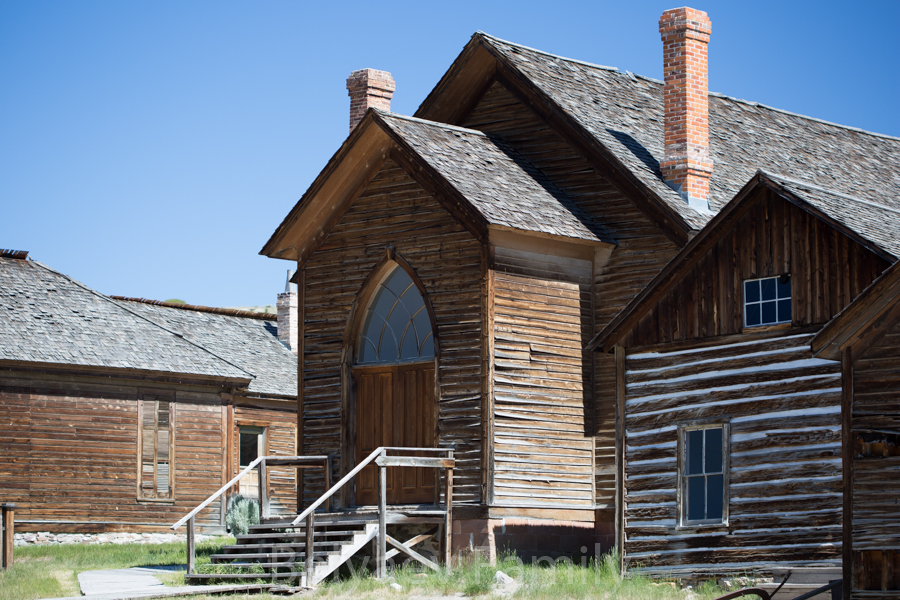
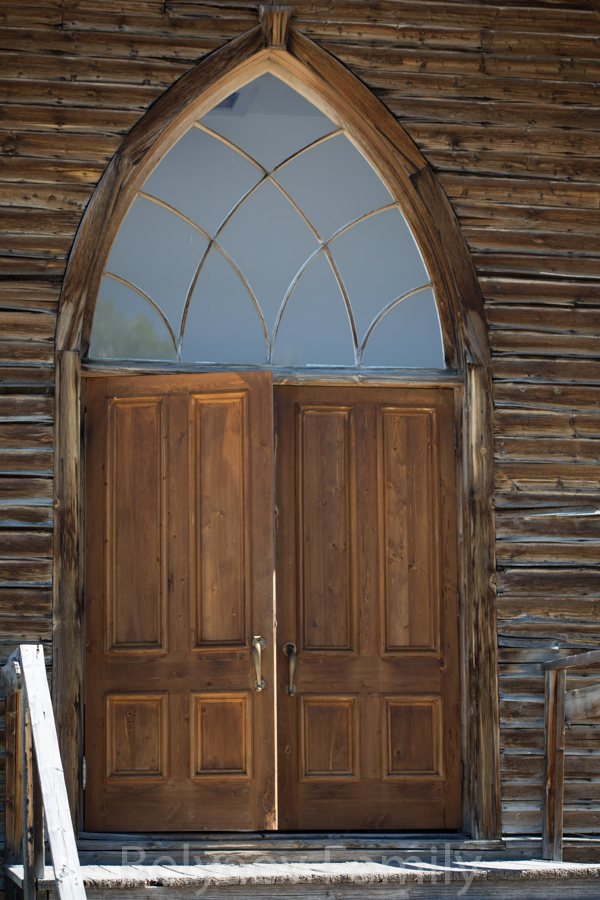
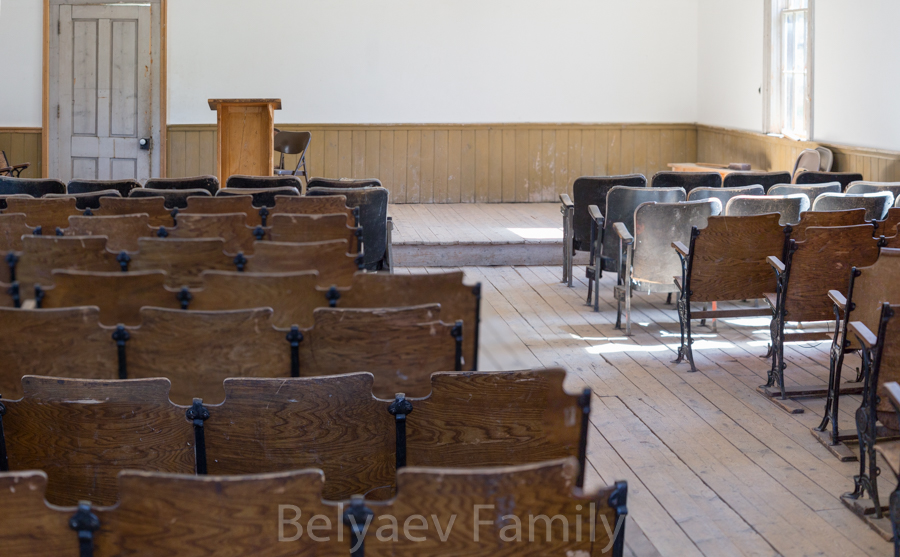
Inside the church
Gibson House was known as the Montana Hotel. It was acquired by Gibson family in 1890 and they continued to use it as a rooming house. The small building on a left was the Gibson family home. At some earlier time it served as a blacksmith shop.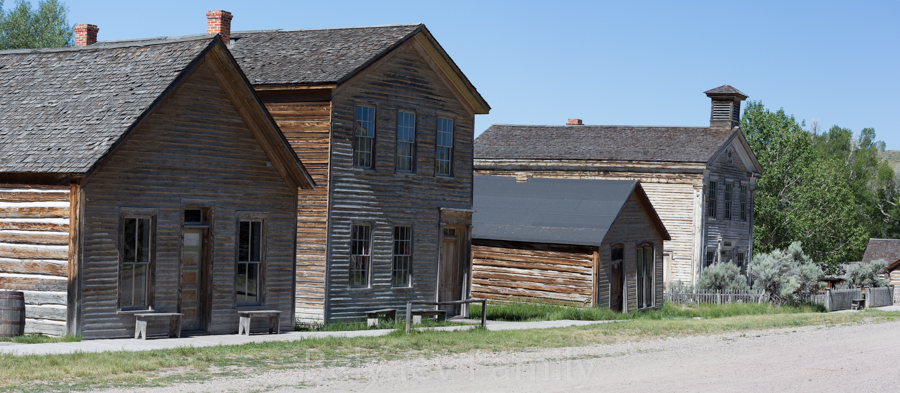
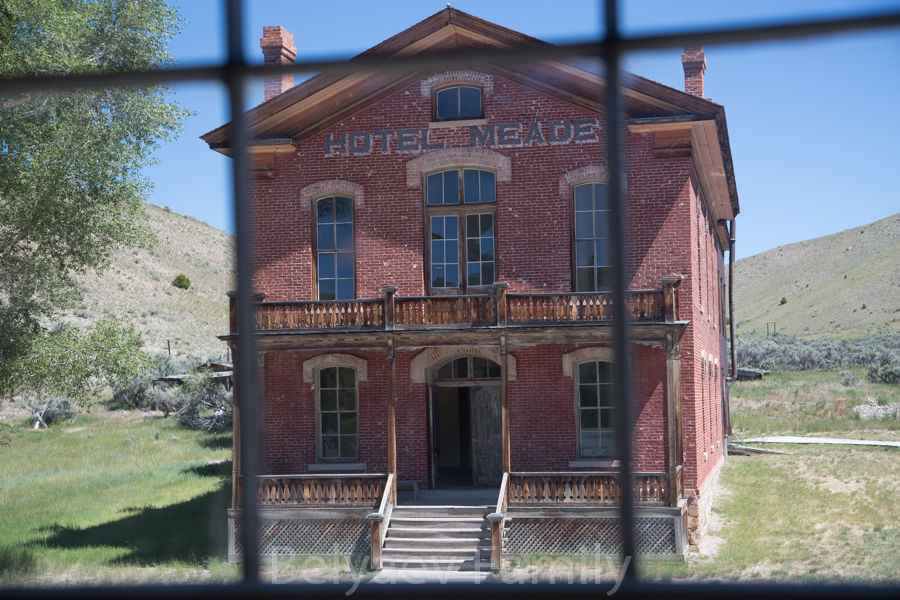
Hotel Meade
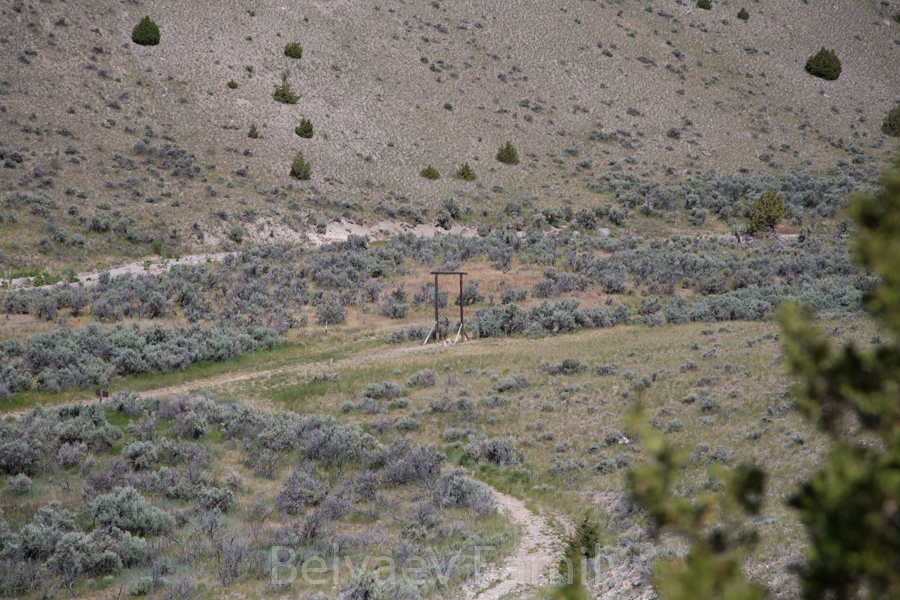
The gallows
Old cemetery was used from 1862 until about 1880. Almost all of the grave markers are gone now.
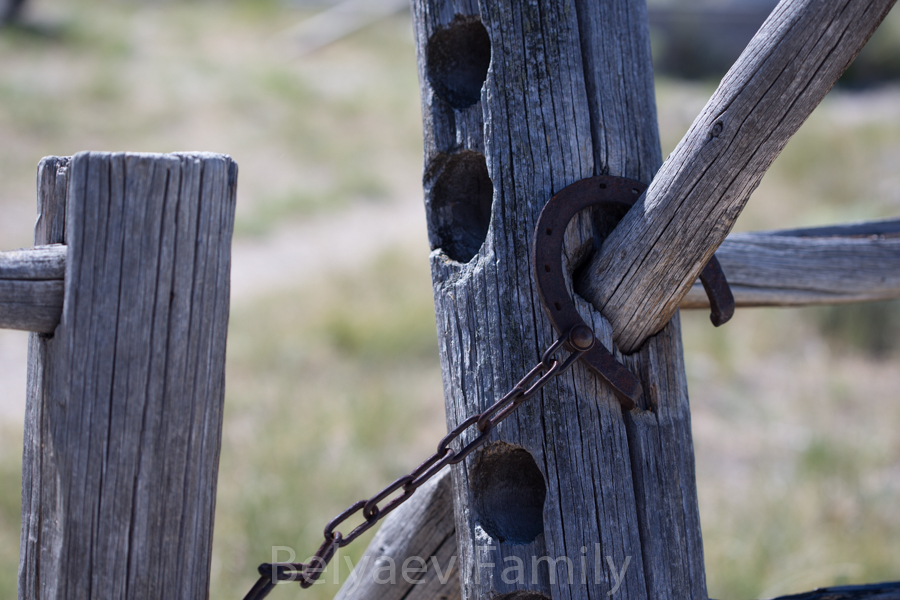
The entrance to the cemetery
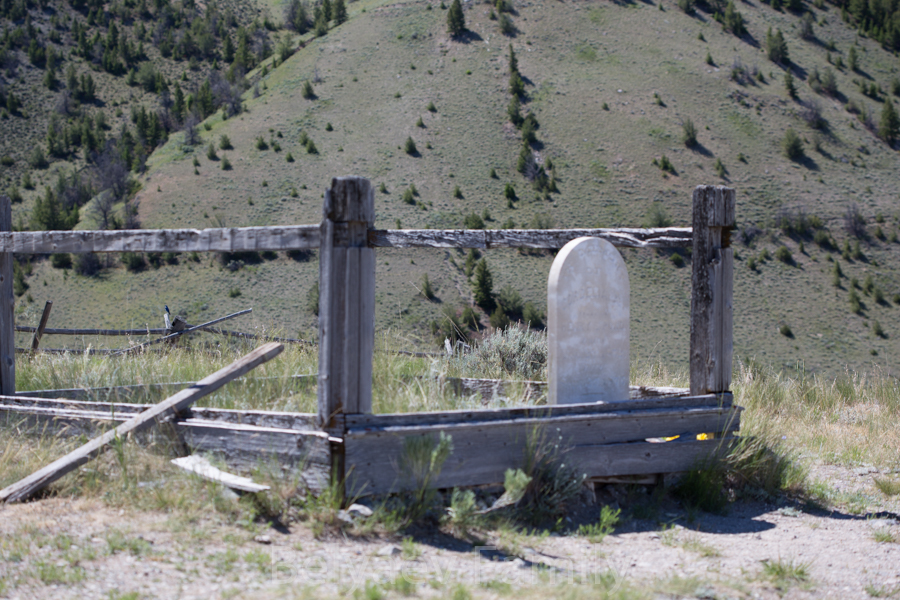
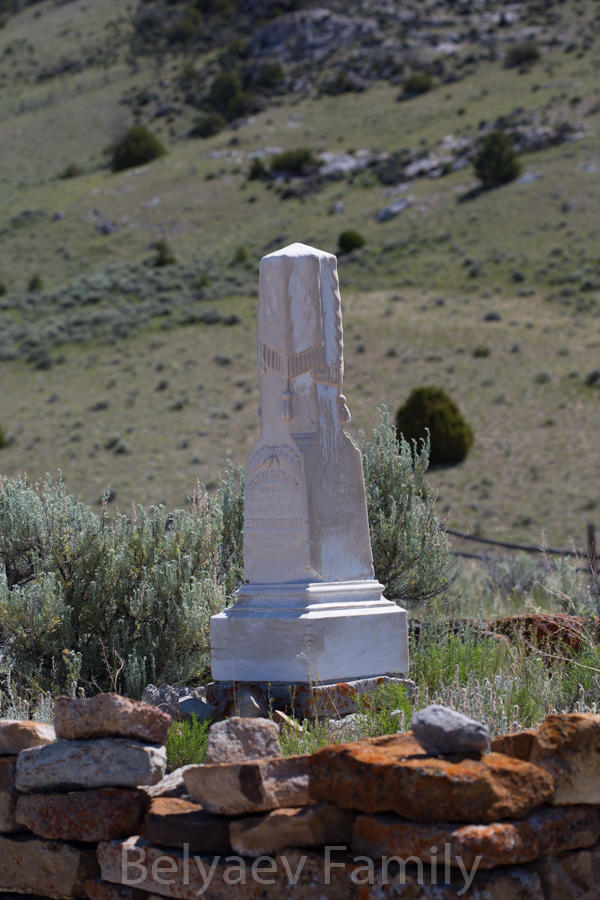
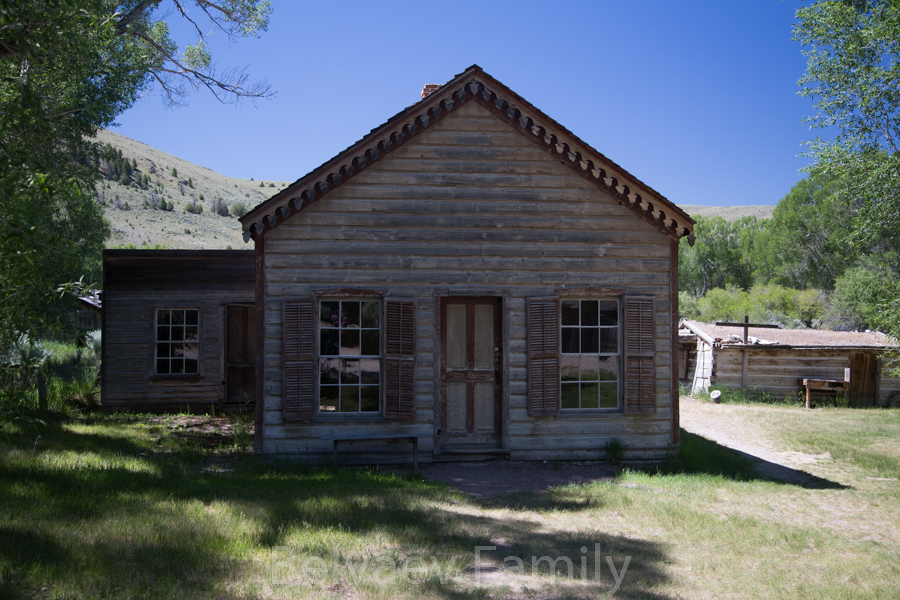
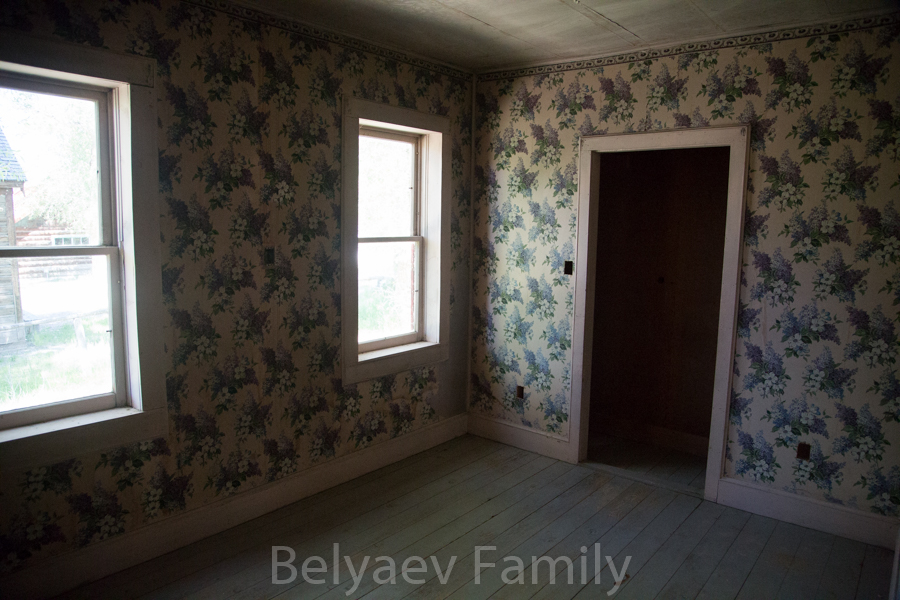
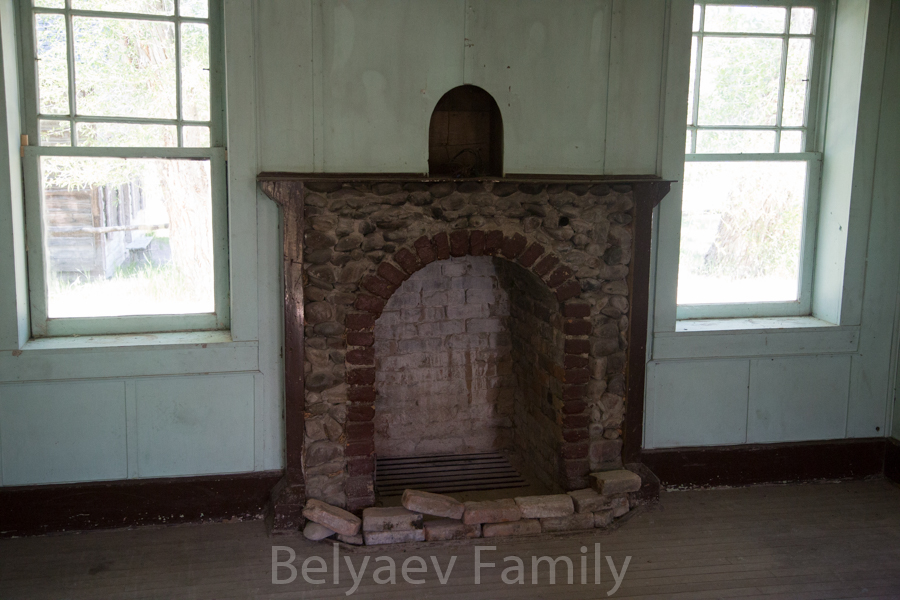
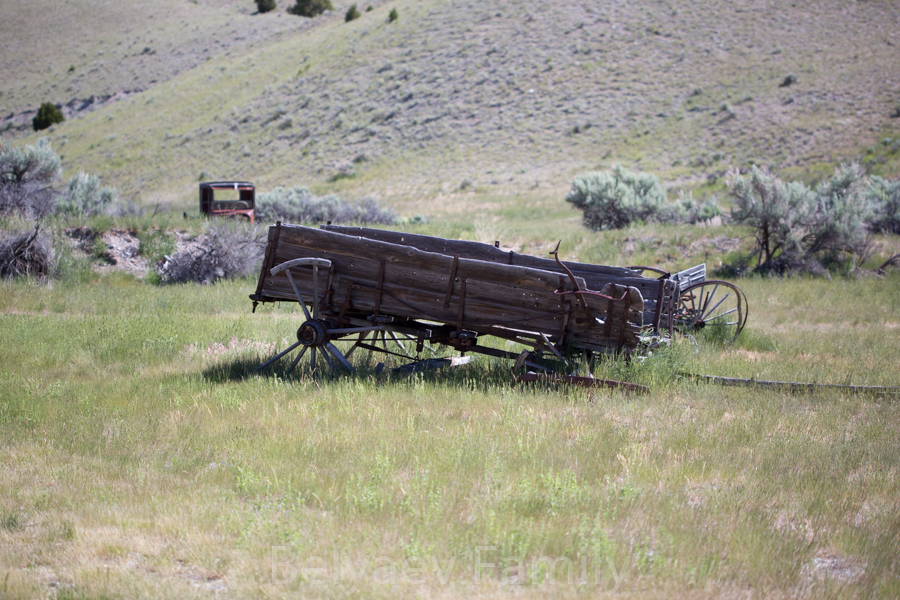
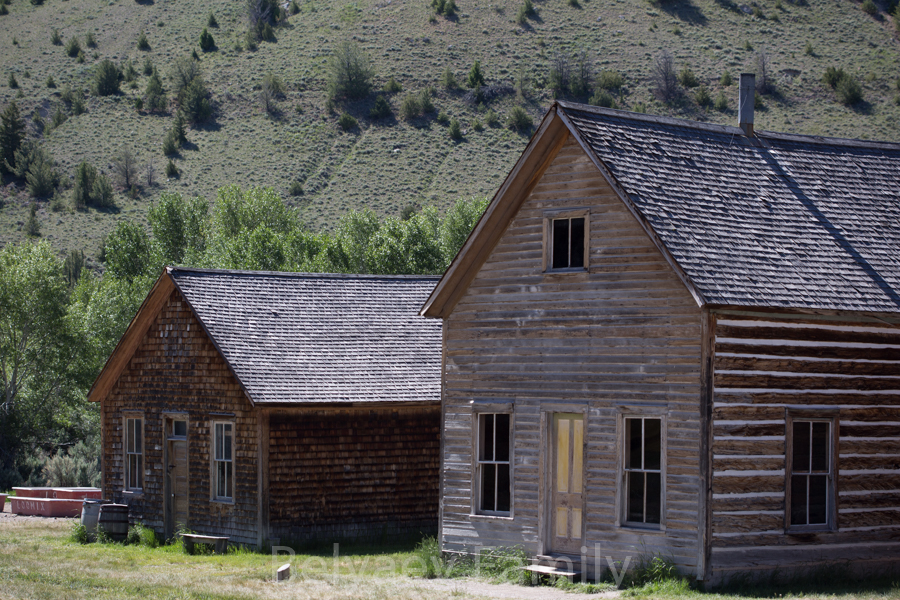
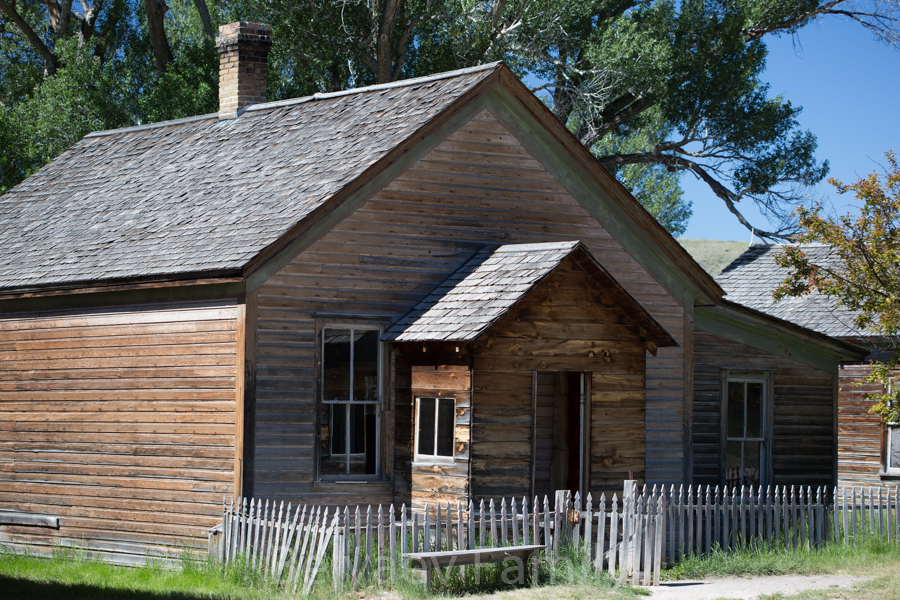
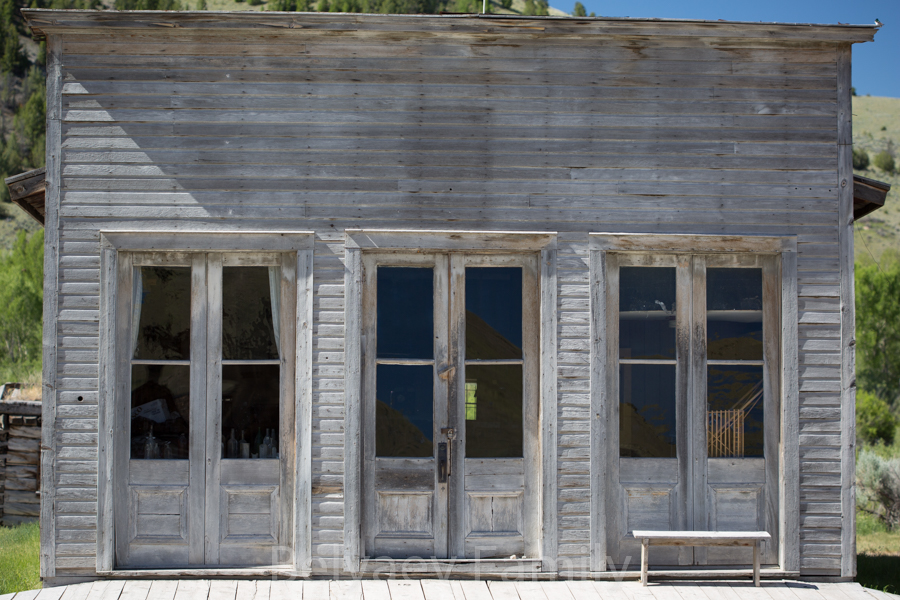
One of the stores
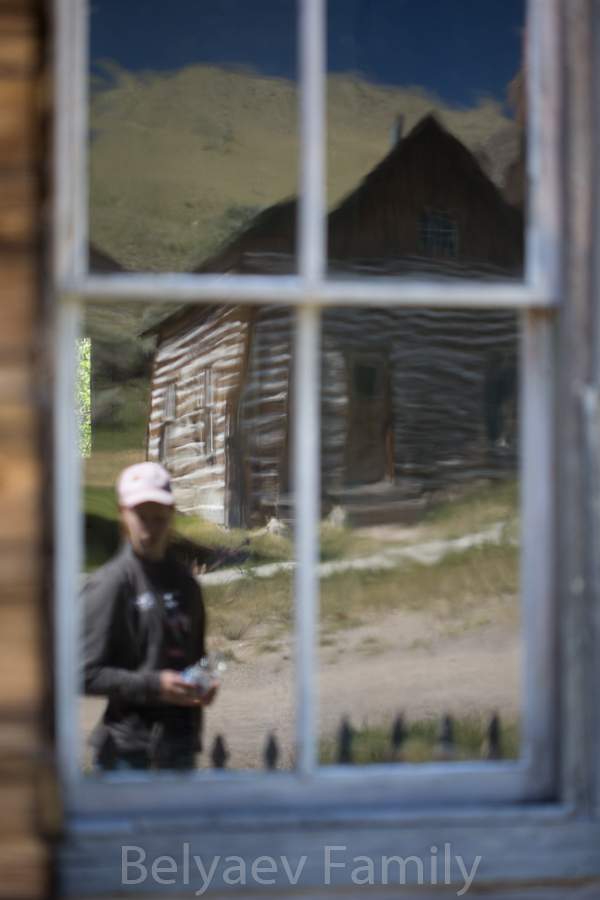
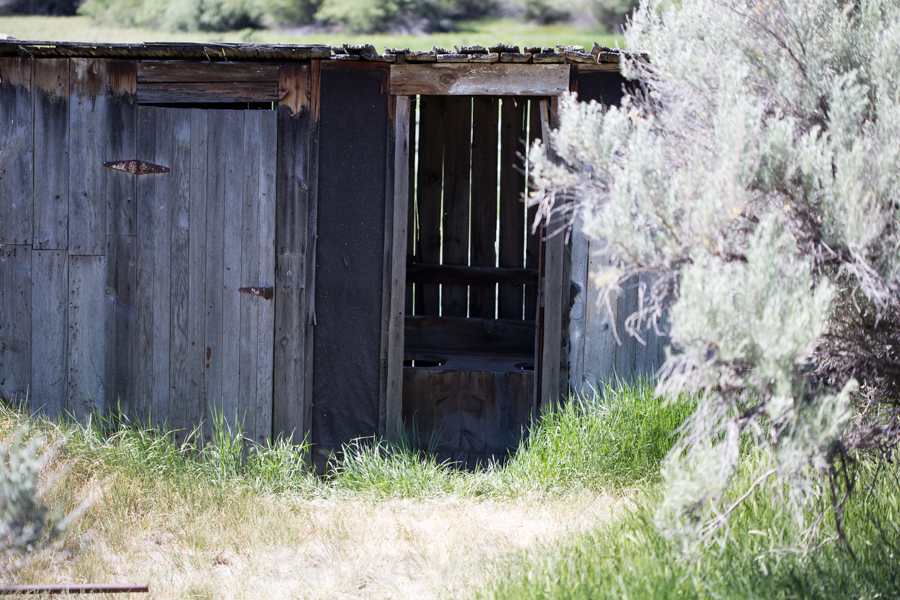
The toilet cabin
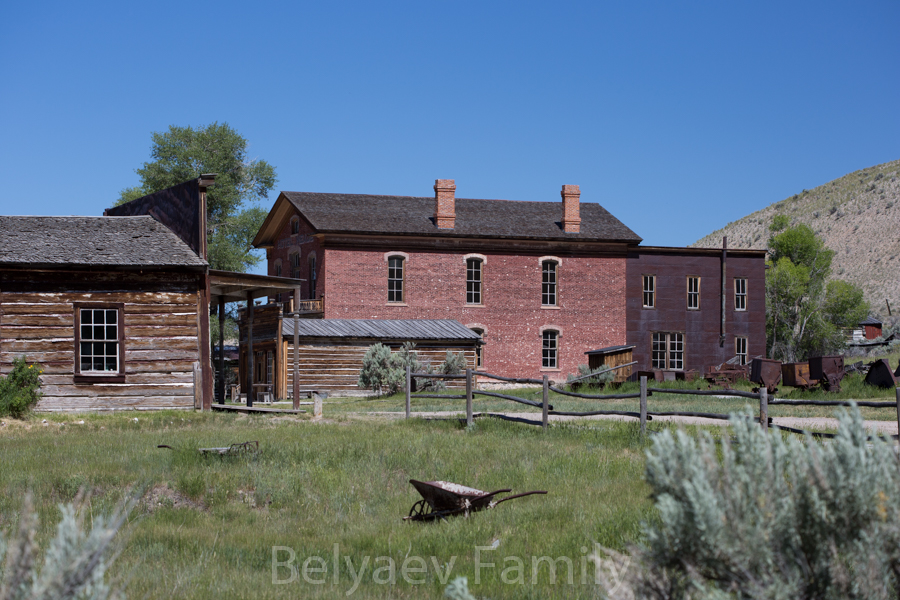
Hotel Meade
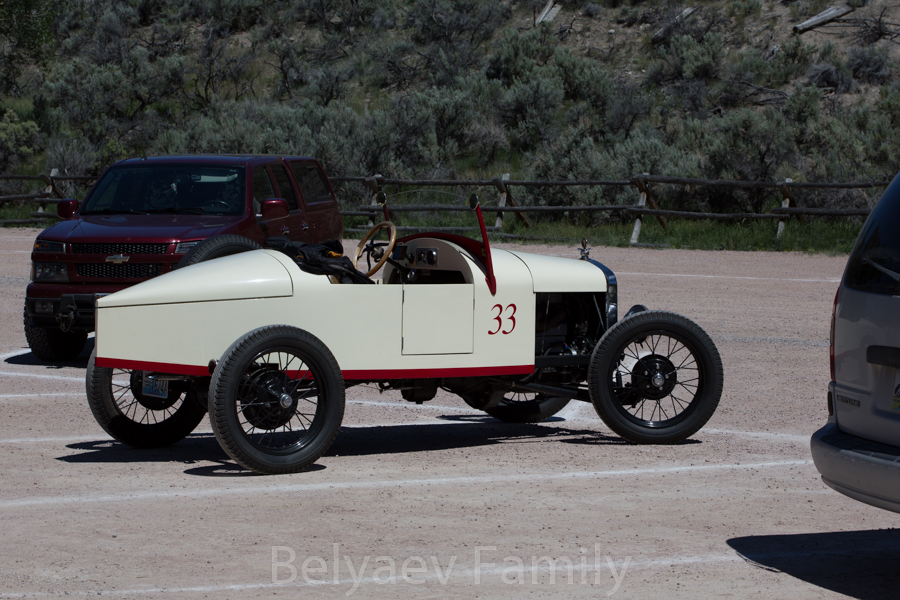
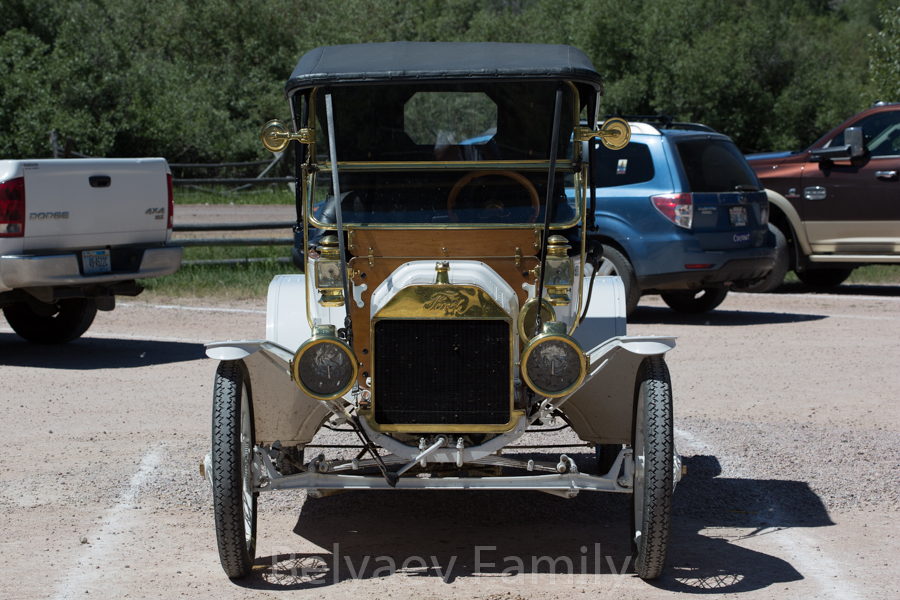
At the parking lot
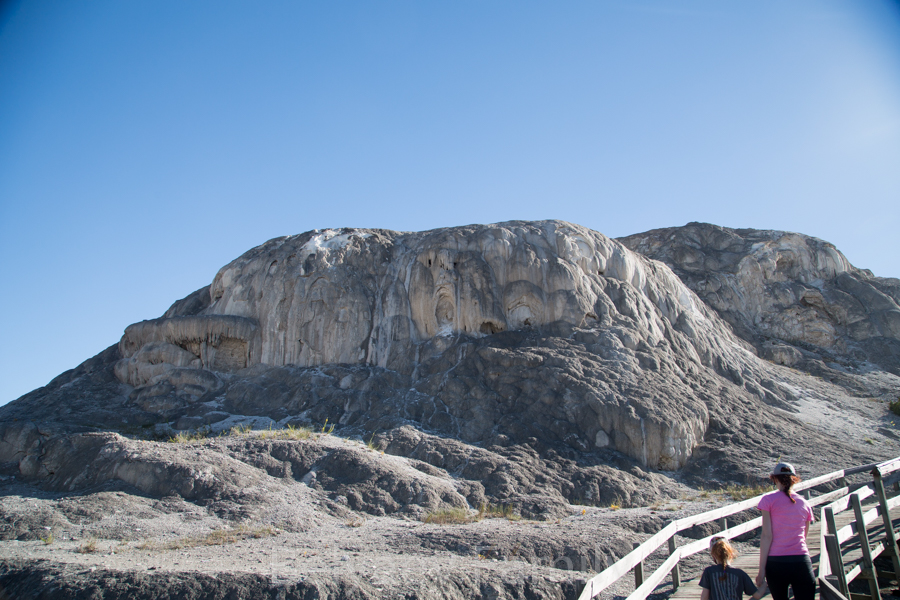
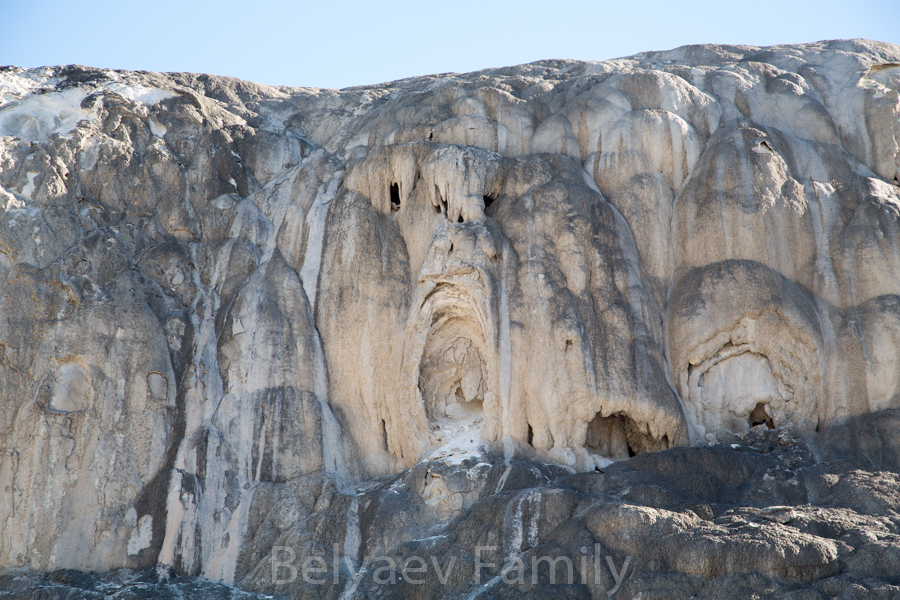
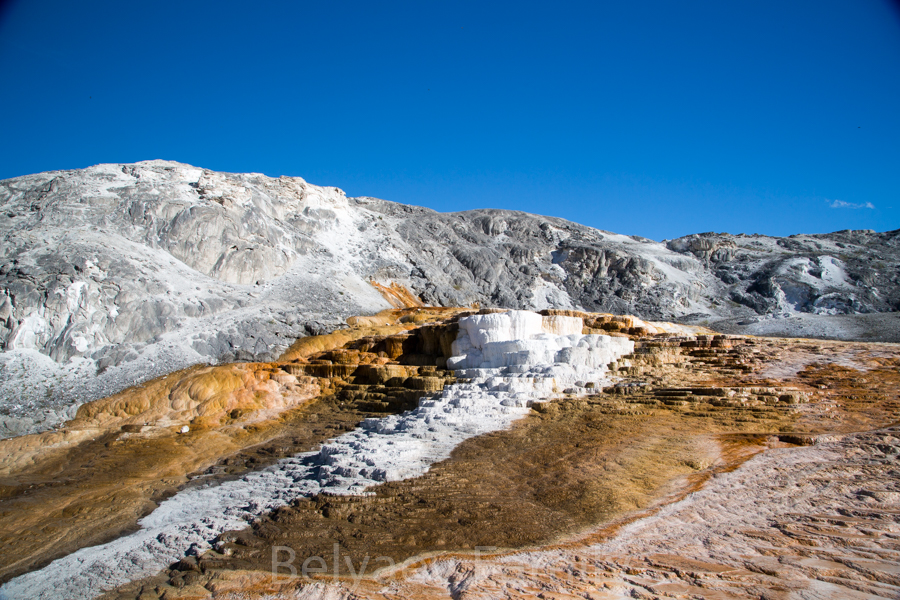
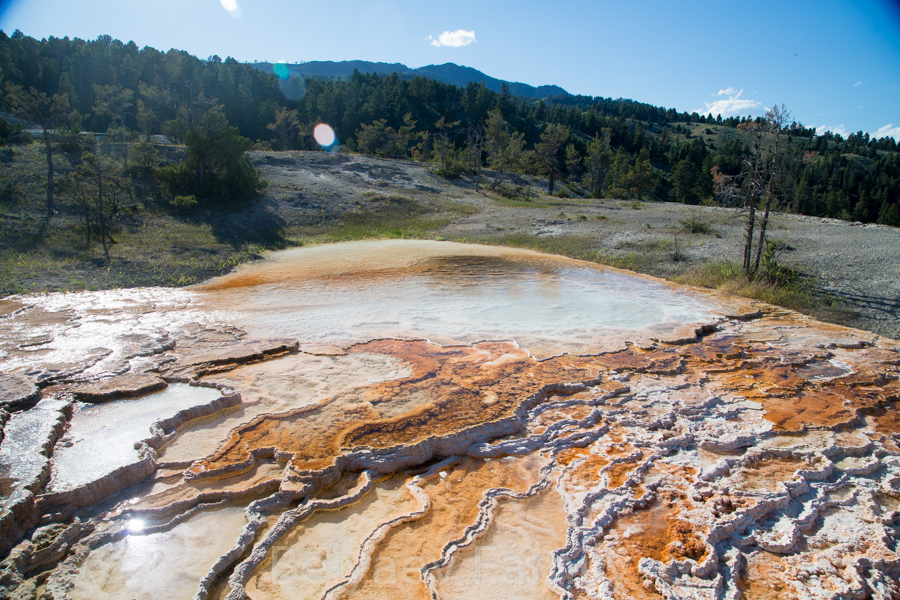
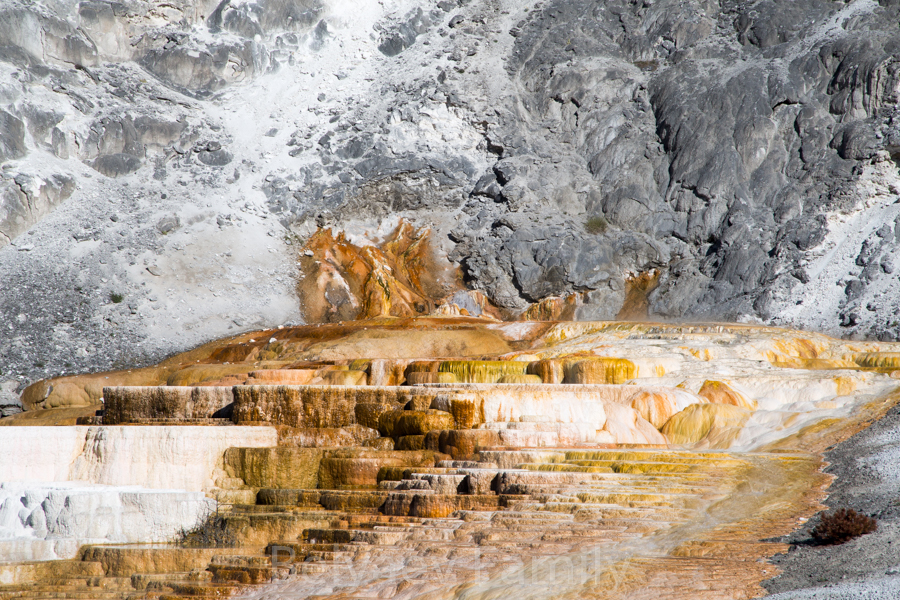
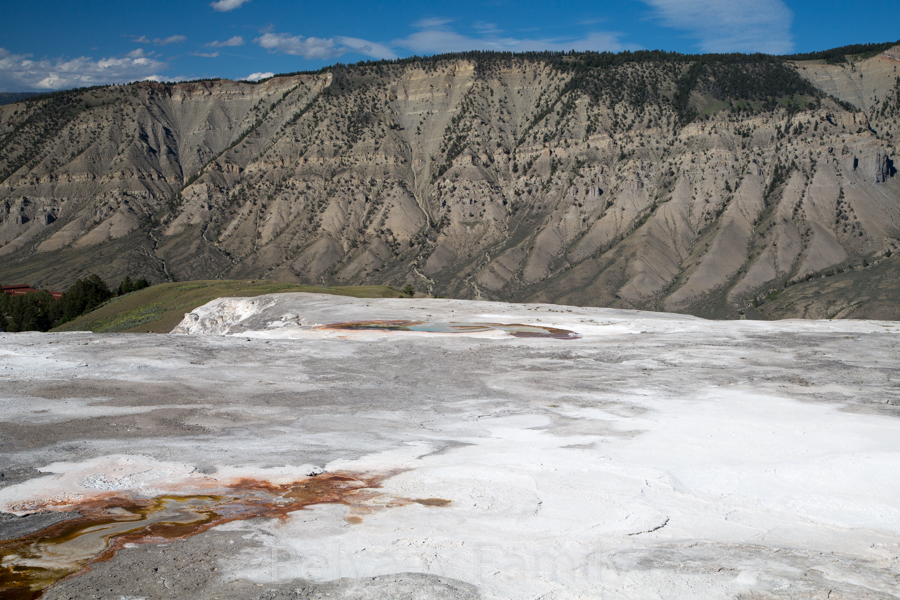
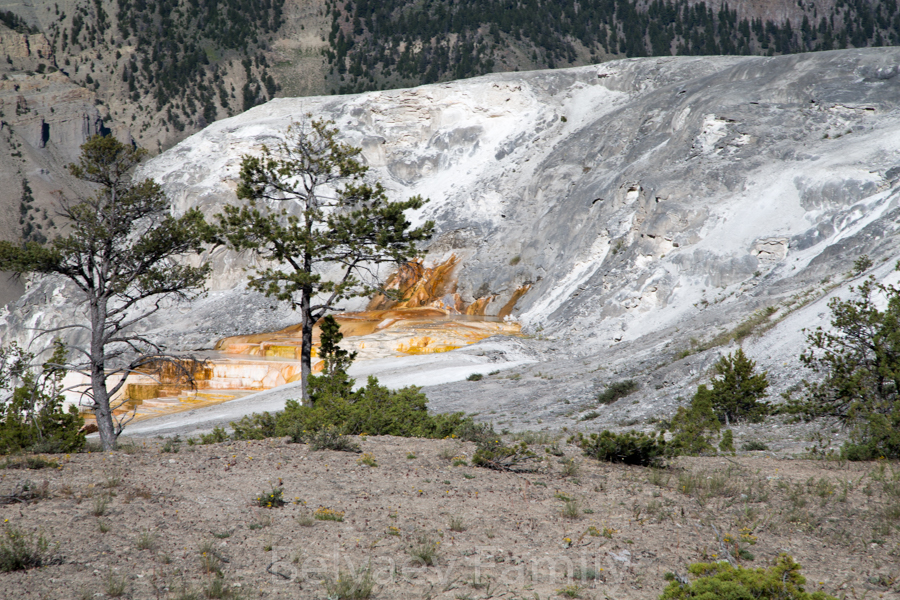
We had a nice walk on the streets of ghost town that keeps the history for the future generations, but it is time to move now. Again we drive in the car. After lunch we decided to go to the Wyoming, to see Yellowstone a little bit. Today we visited a little geyser and tomorrow will drive through the Beartooth Path.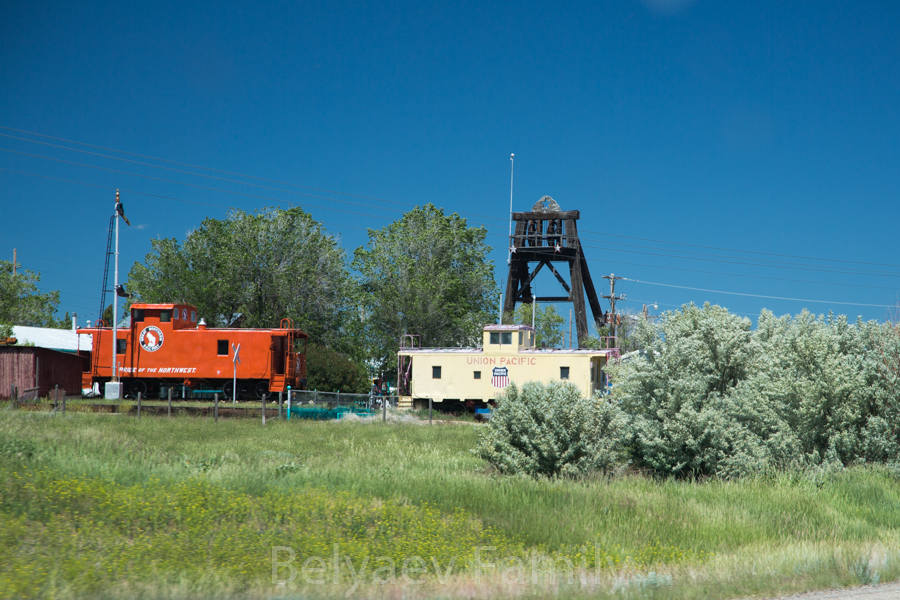
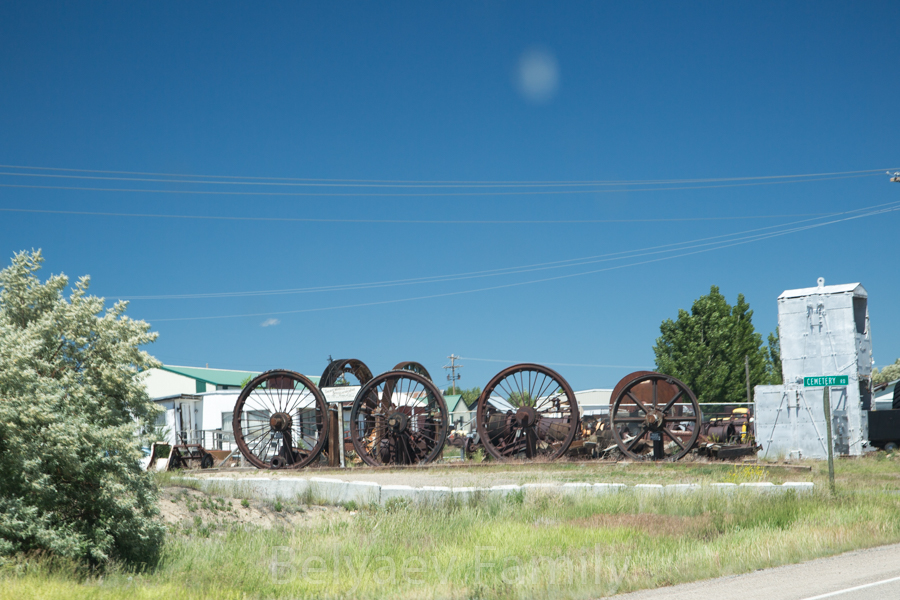
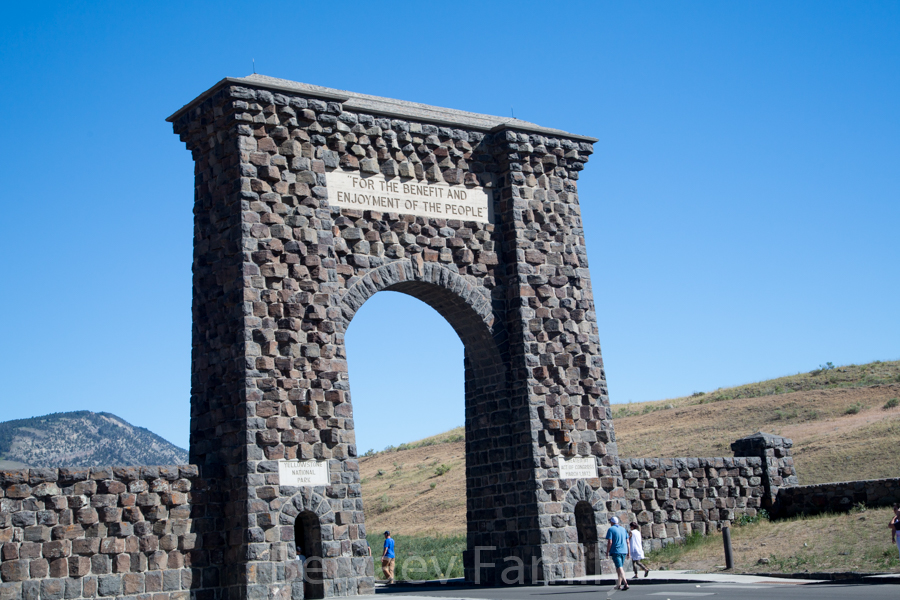
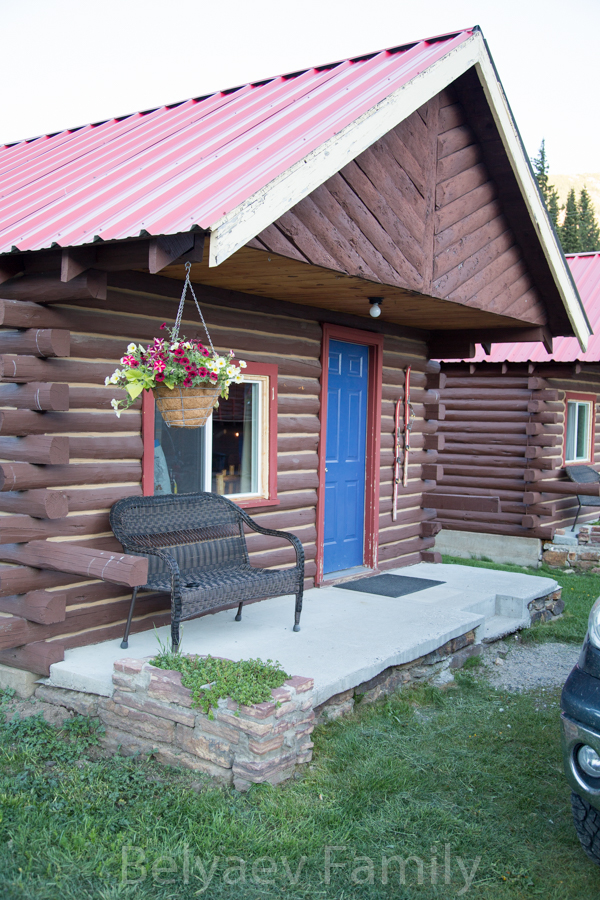
We will spend the night here
Part 2 here