

Part 29 here
There is a Titanic museum in Branson, that was our destination for today. Unfortunately, because there are a lot of copyrighted things inside we were not allowed to make photos.
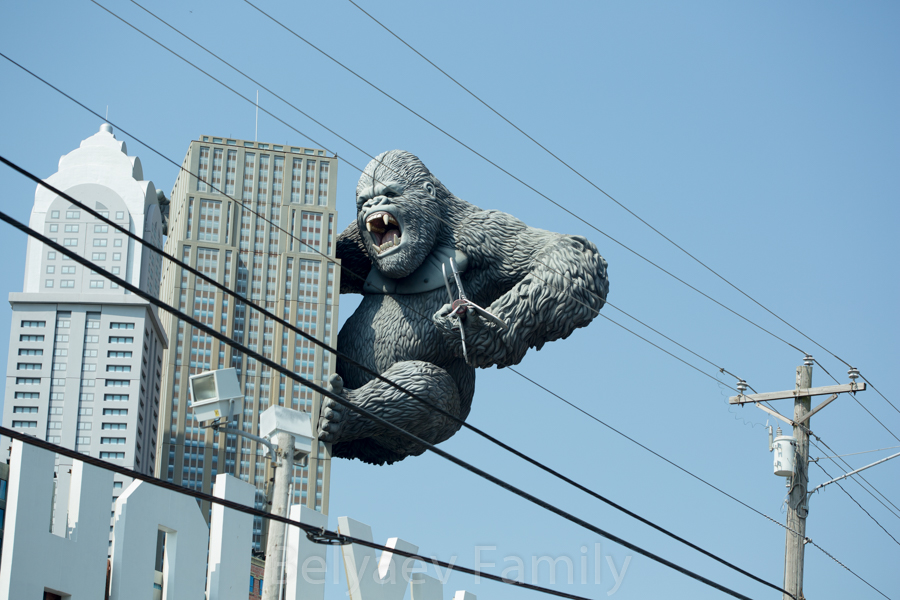
On the road to the museum
 For example, letters and telegrams that were sent from the ship, or the original piece of carpet (that was found on the carpet factory that made carpets for Titanic), or dinnerware. At the entrance we were given tickets with real passenger names and at the exit we could found out if our passengers were lucky to survive.
We learned how the engines were constructed and operated, saw the blue prints of the ship. We saw how different cabins are furnitured. Even the third class was considered as luxury compared to other ships. By the way, Titanic had ten dogs and some roosters on board. In one part of museum we were walking on a “deck” and temperature there was exactly the same as it was at the night when the ship sank. At the other room was the barrel with water and we could place our hands there and try to imagine what it is look to swim in the water like this… I tried that water, it was icy cold, near freezing temperature and I stopped feeling my fingers almost immediately.
Titanic had huge amount of food – and no wonder, because there were 2,200 people on board. For example, she had 40,000 fresh eggs. By the way, on her first and last journey Titanic didn’t go fully loaded – she could carry 3,200 people.
Near the Memory Wall where the all passenger names were written (the survivors’ names were underlined) stood thee models of the angled desk at the different moment of the sinking. Kids tried to climb, legs slid off, and hands too. I couldn’t climb even on second one – the floor of the desk was too slippery. Some of the museum visitors tried to climb barefoot.
Near that was the model of the Titanic’s steel sheathing, with real thickness, and we touched those thick layers of steel. When Titanic’s place of rest was found, the explorers took piece of steel to run some chemical tests on it. The results of tests showed that the steel alloy by itself was less robust than the morden ones. And at near freezing water temperature it became even more vulnerable. So when the iceberg cut the ship’s sheath, the water made the hole even larger.
Walking in the museum was very interesting and sad at the same time. Seeing all the evidence of peoples’ happy lives and hopes and knowing that many of them didn’t survive that scary night. At the Memory Wall we found names of “our” passengers. All of them were lucky to stay alive.
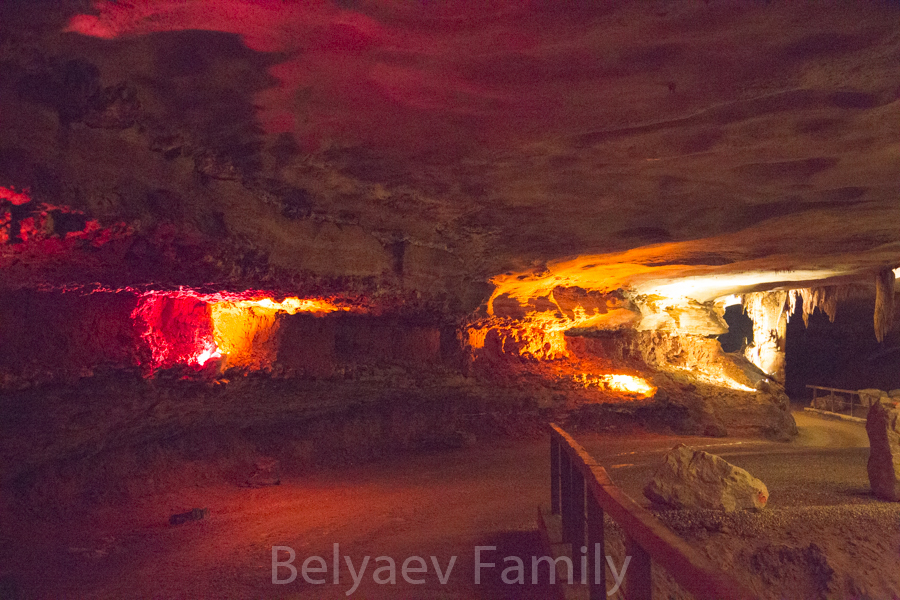
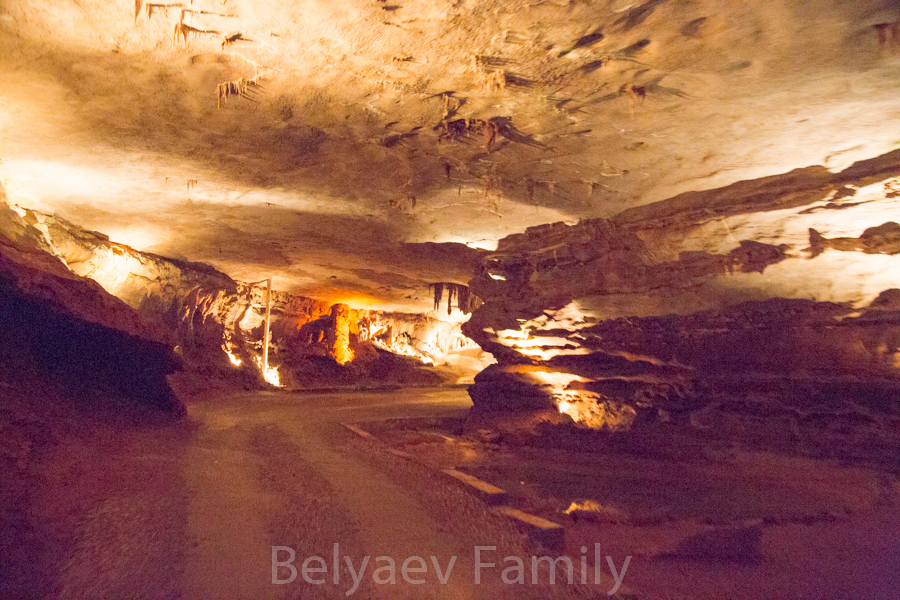
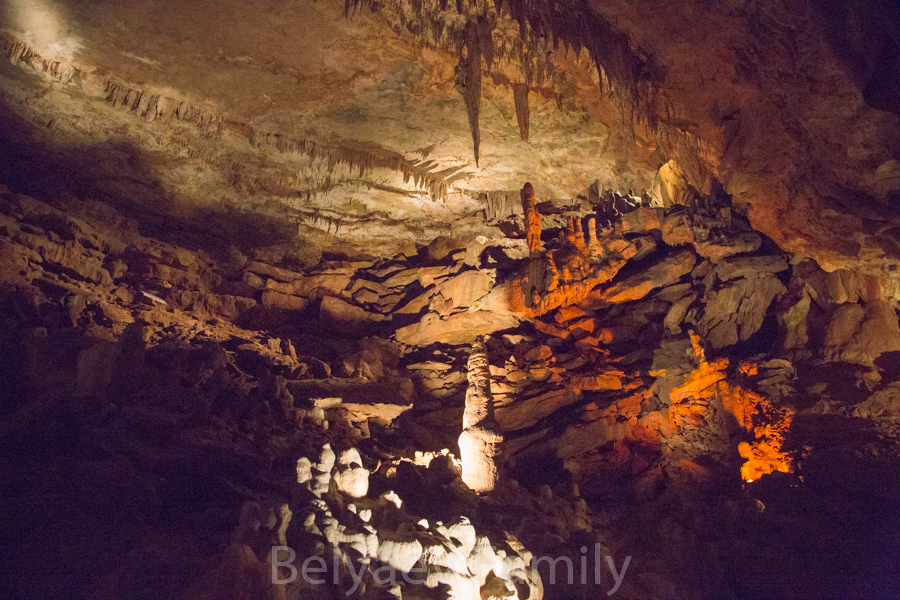
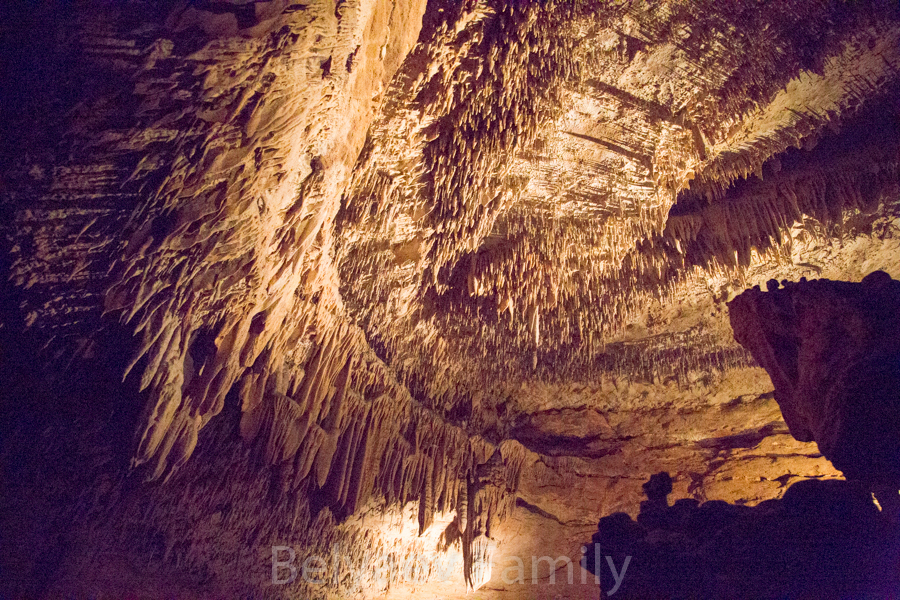
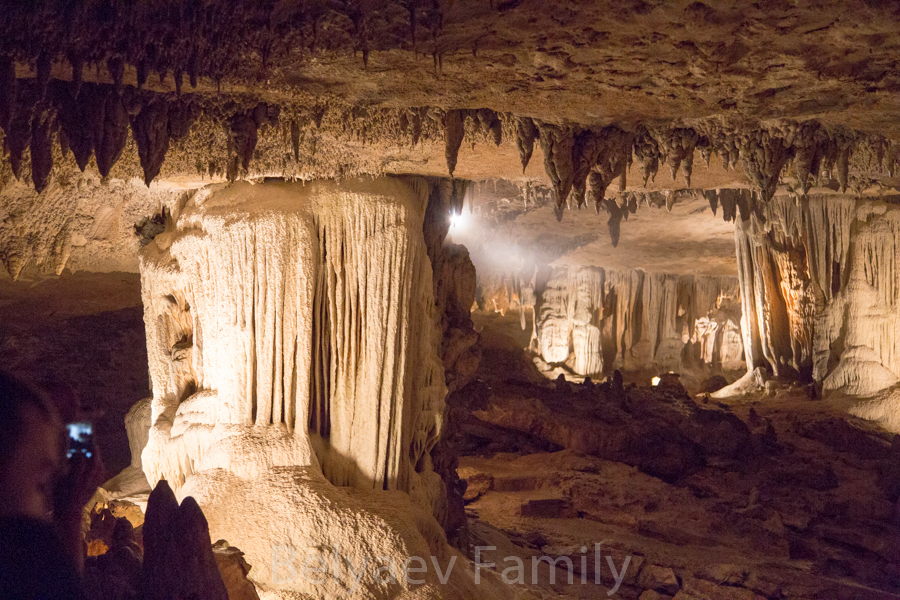
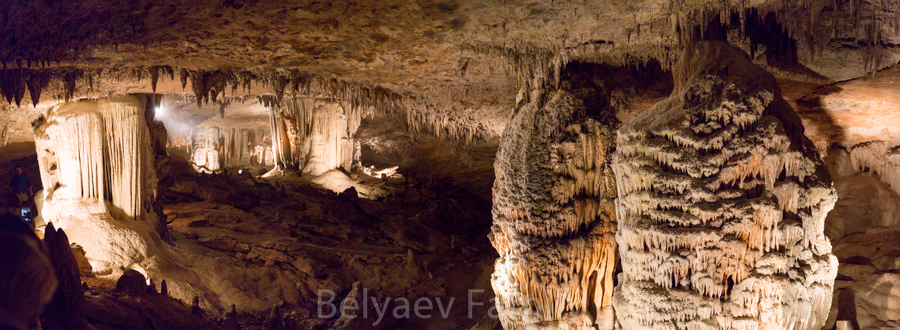
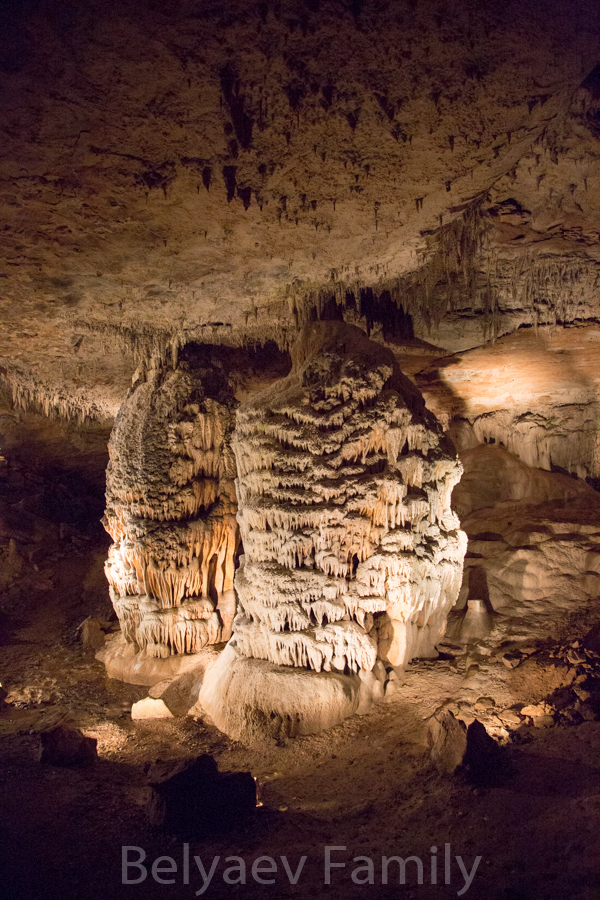
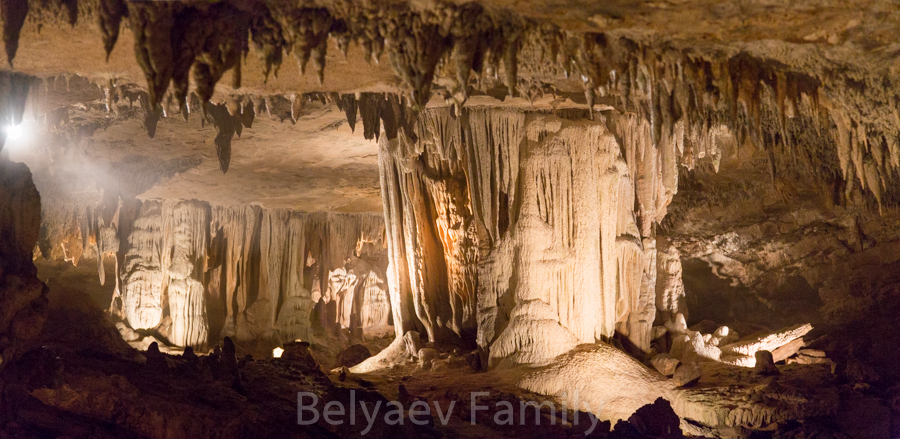
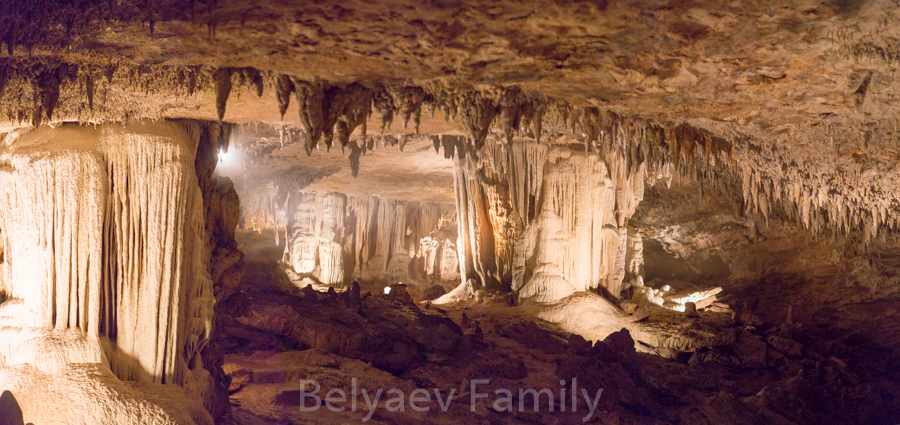
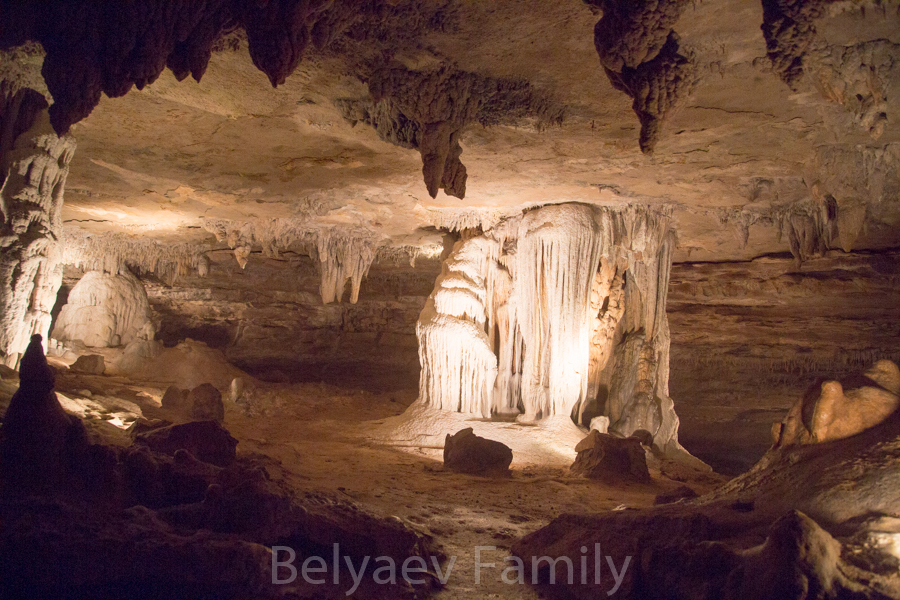
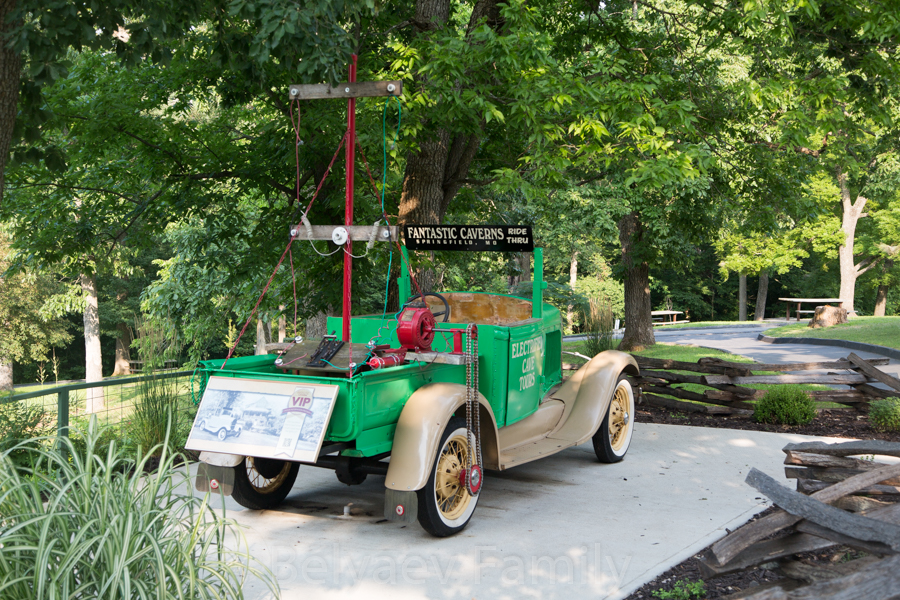
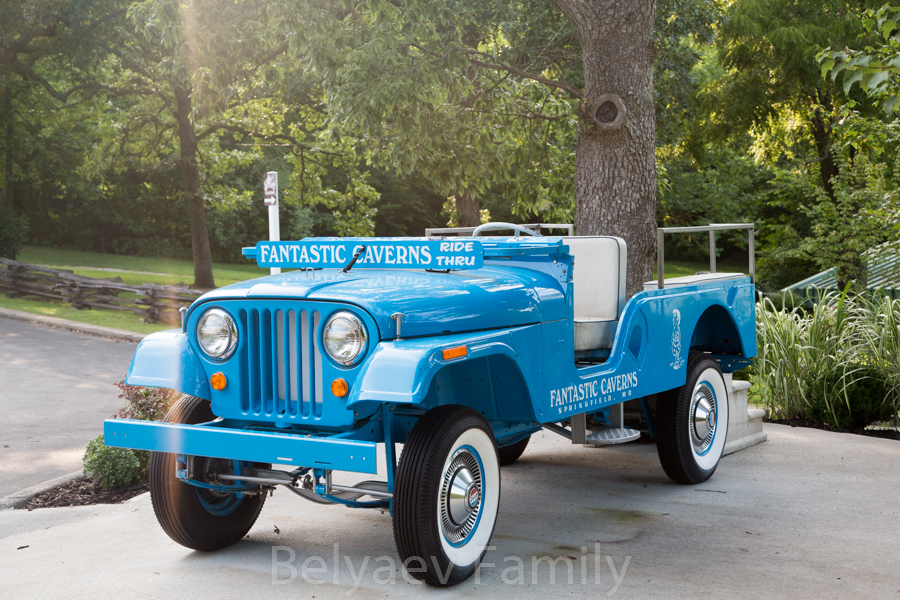
After the museum we went to one more cavern, but it wasn’t like any other. We rode an autotram inside.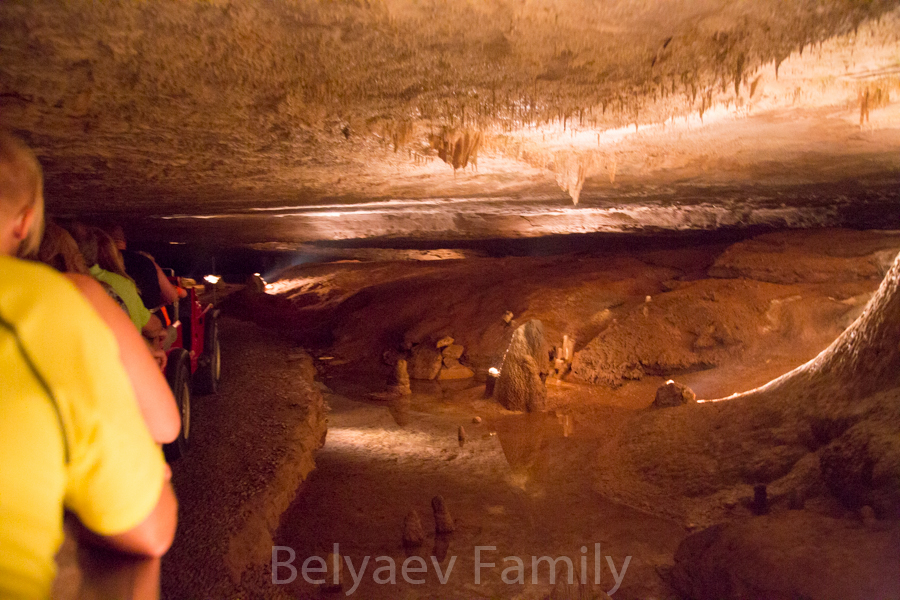
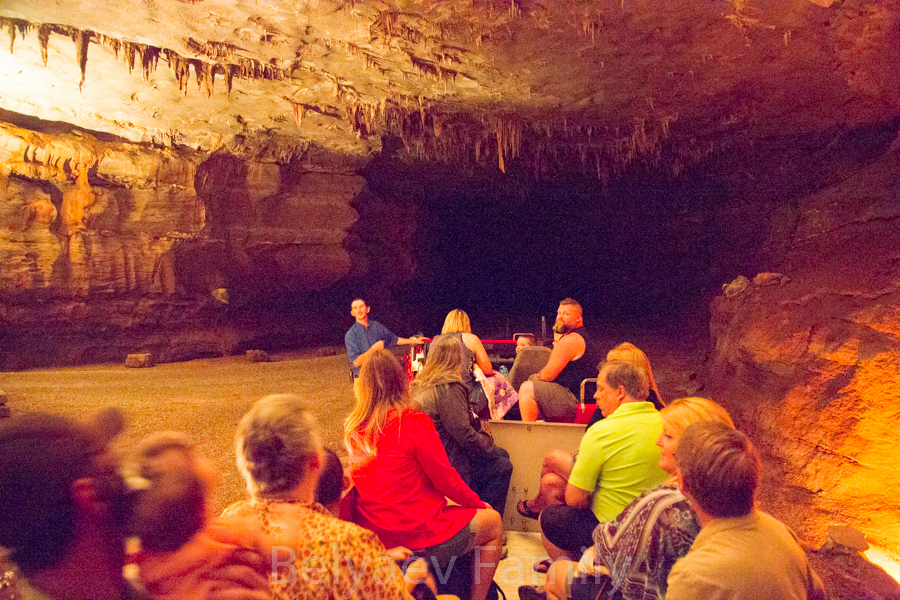
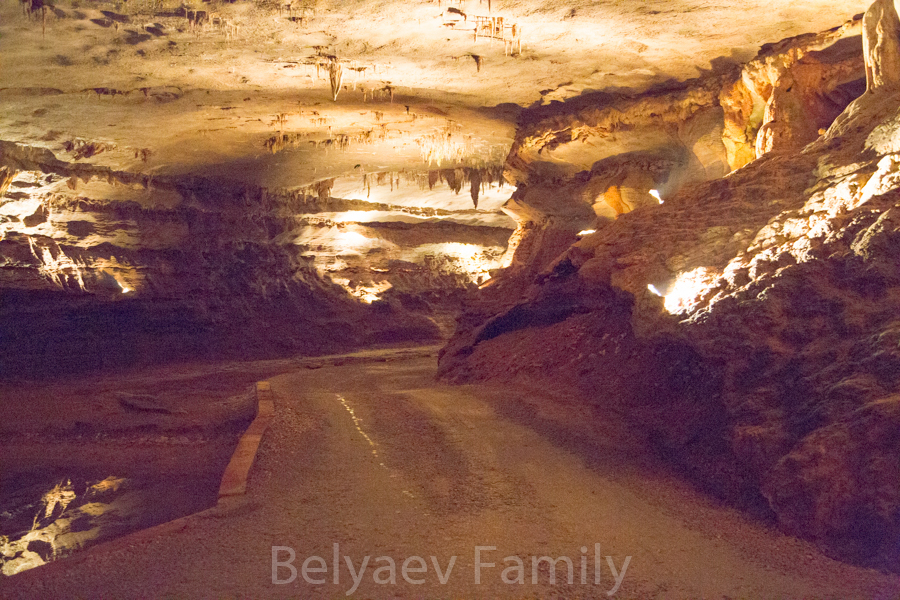
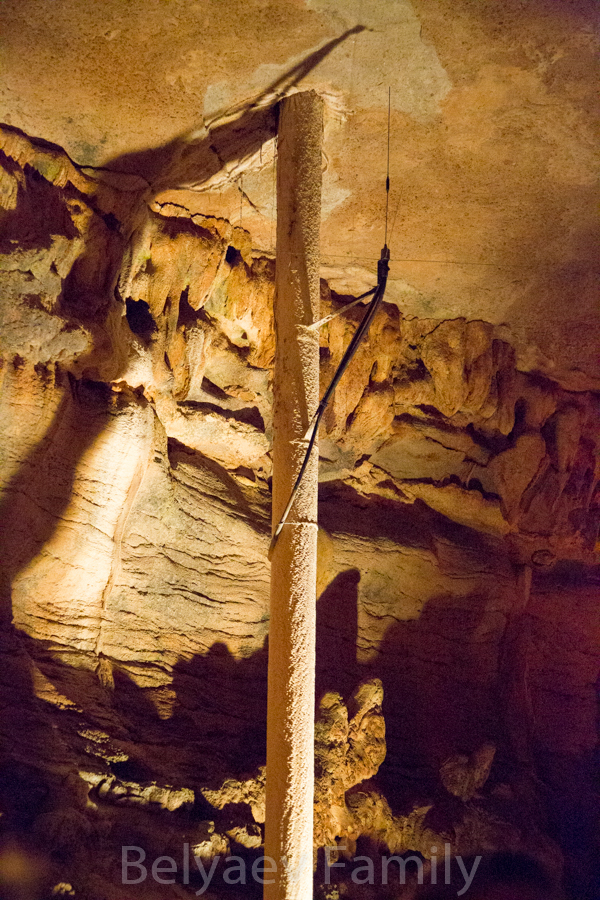
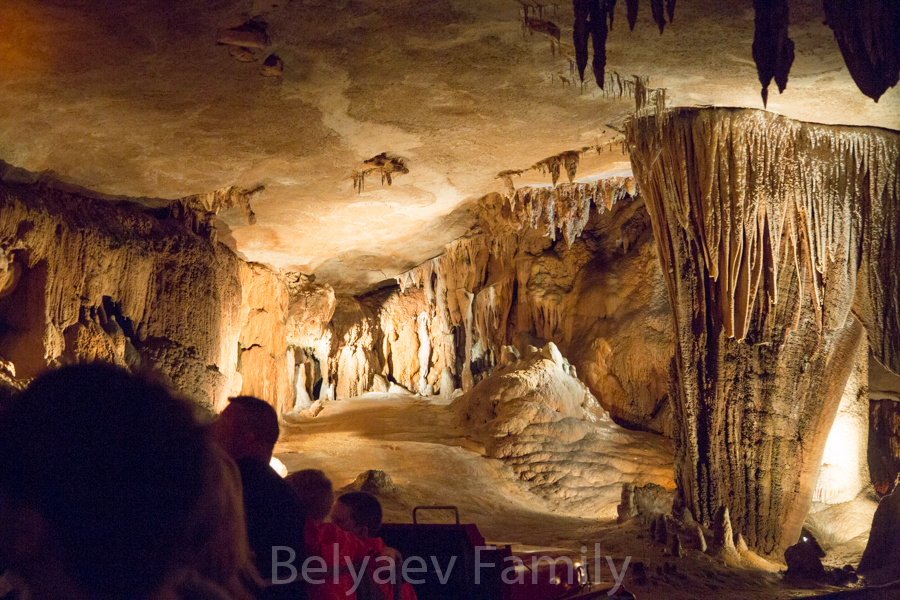
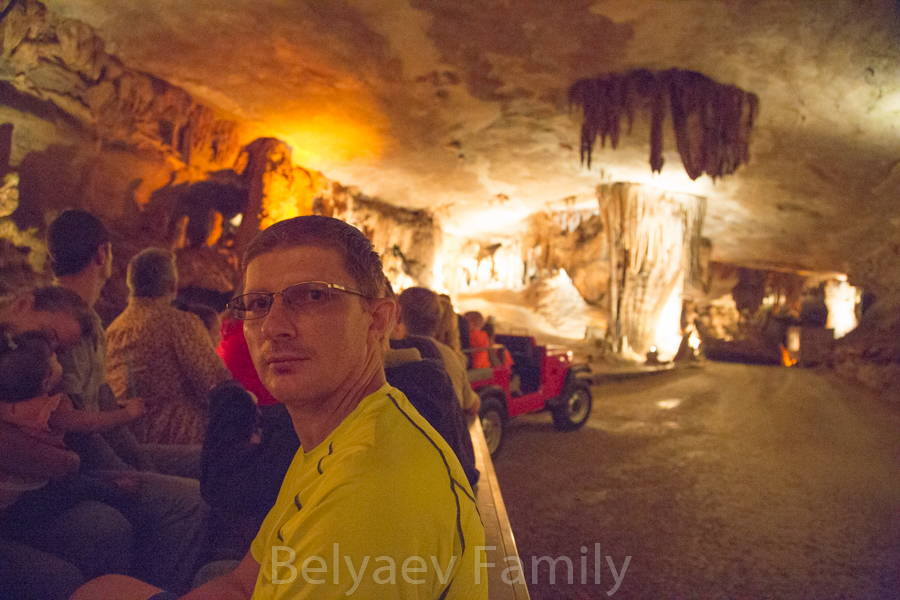 The cave’s history started very unusually – in 1827, when a land owner found the opening leading under the ground, he didn’t explore it himself. Instead, he placed an advertisement in the newspapers, inviting anyone who was interested, to explore the cave. To his surprise, twelve women came with torches, lanterns, ropes and ladders.
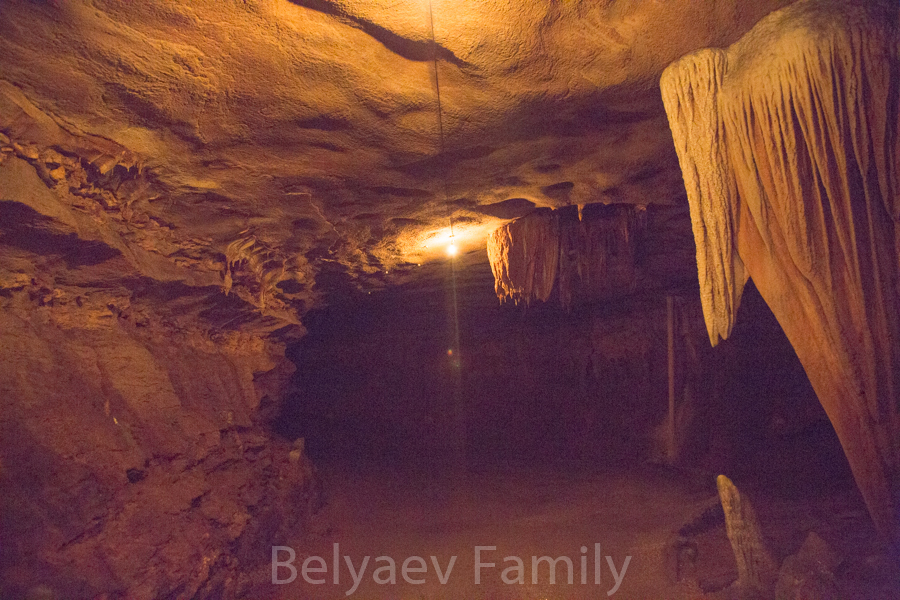
First electrical lights looked like that
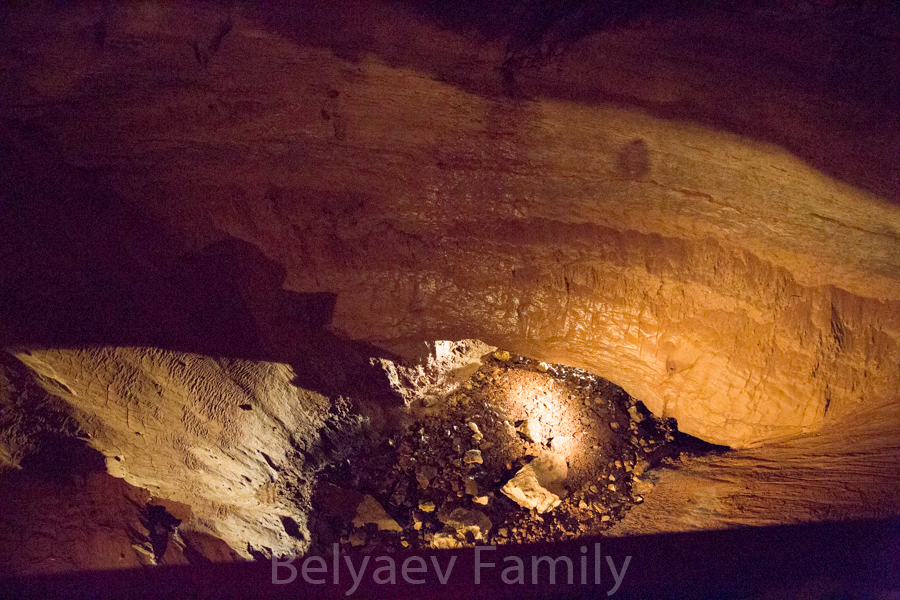
One of the ditches we drove by
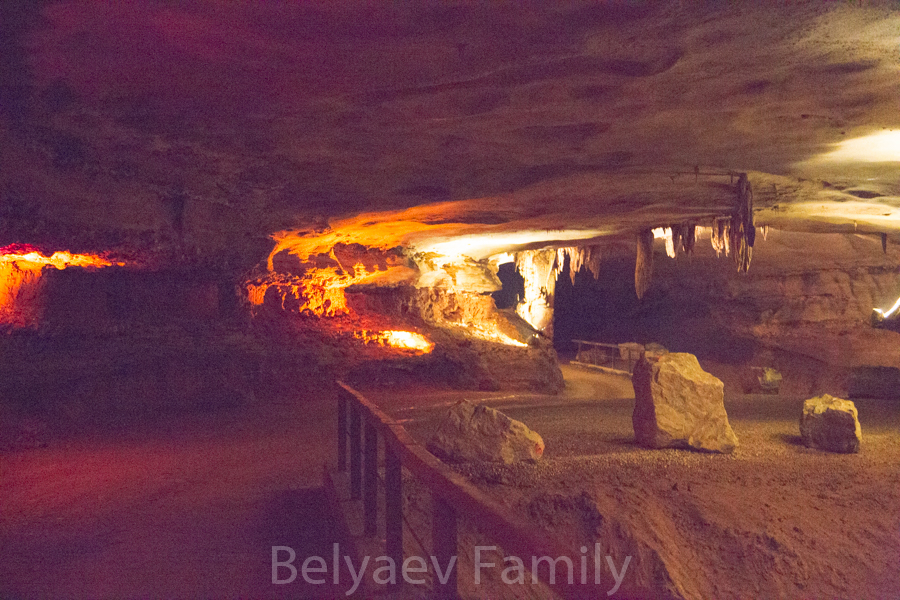
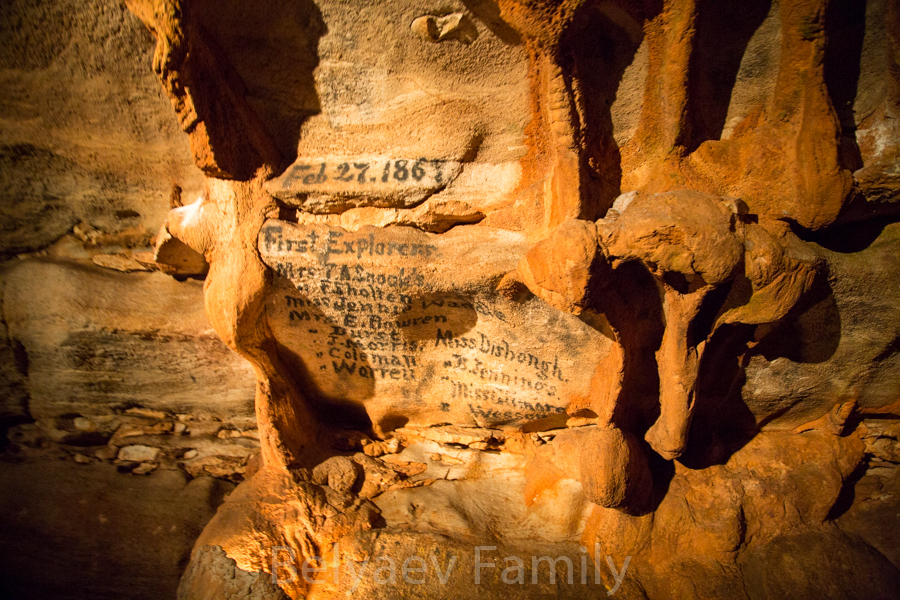
Names of the first twelve brave women are written here
In Missouri a lot of caverns were found, so to attract tourists, the owner should suggest something interesting and different. That’s why in 1961 auto tours started. First gasoline engines where used, but the fumes started to destroy the formations. Later the much cleaner propane engines started to be used.
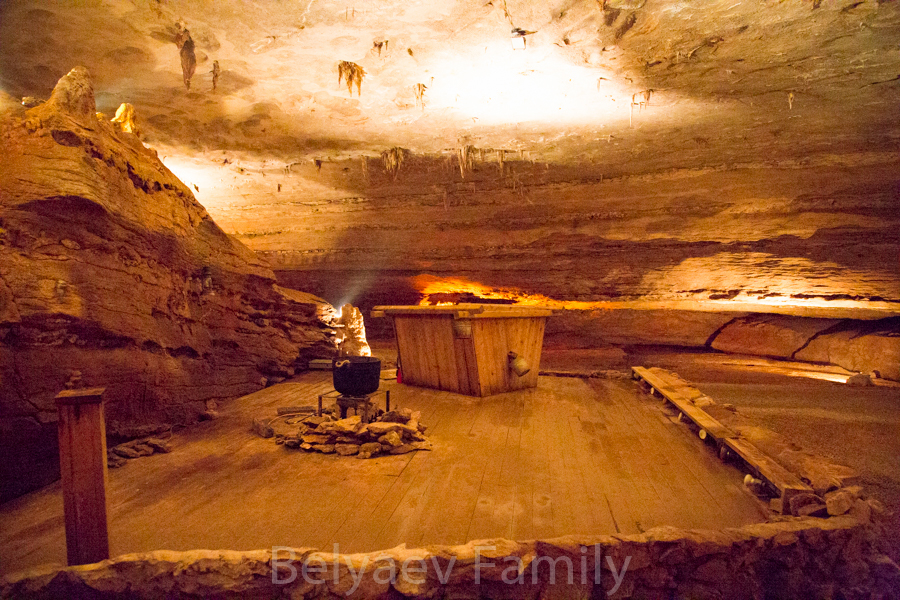
Some famous people sang here
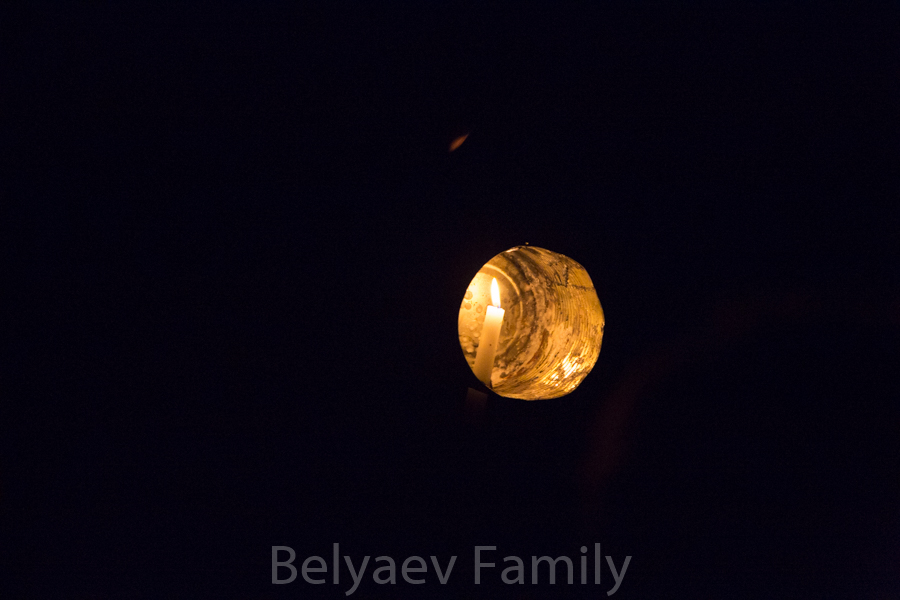
In the beginning of the cave exploration that type of lantern was used
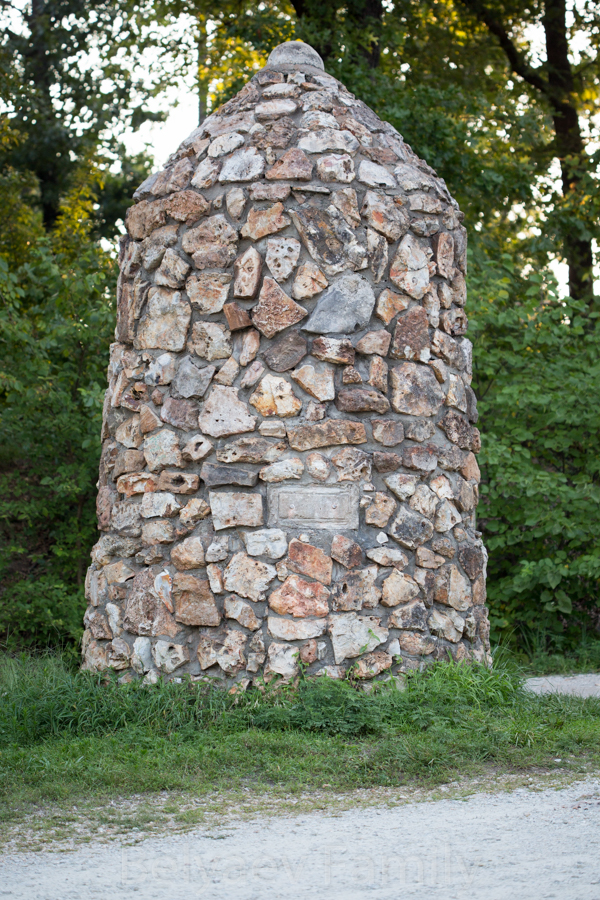
In the evening we ended up in the route 66 and saw cars from the “Cars” movie. And not far from that place there is a meeting place of three state borders. Let’s go there!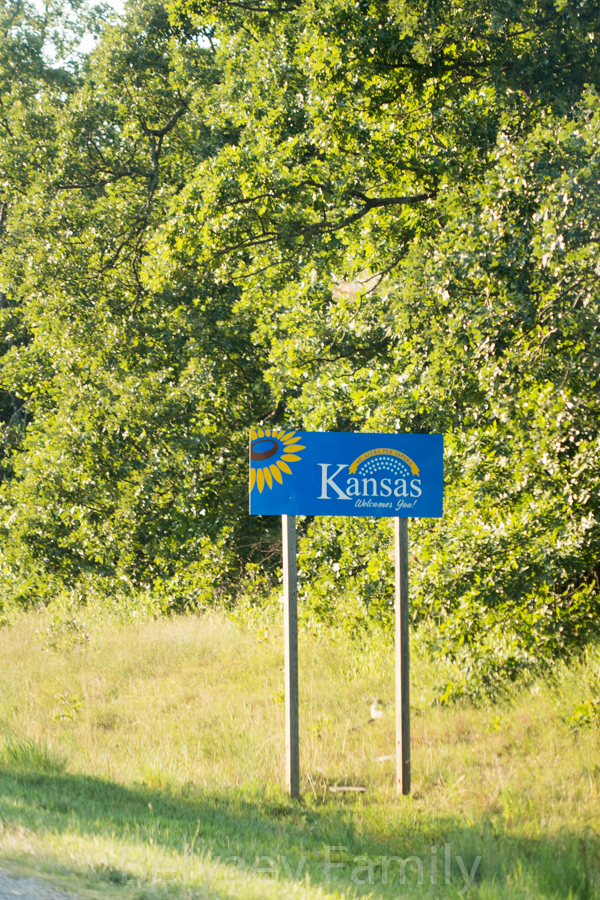
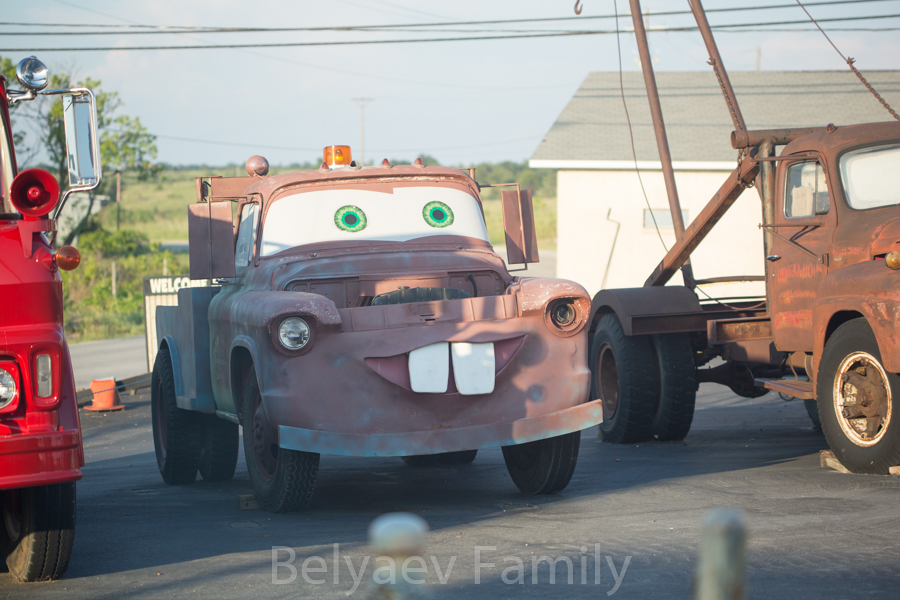
Tow Mater
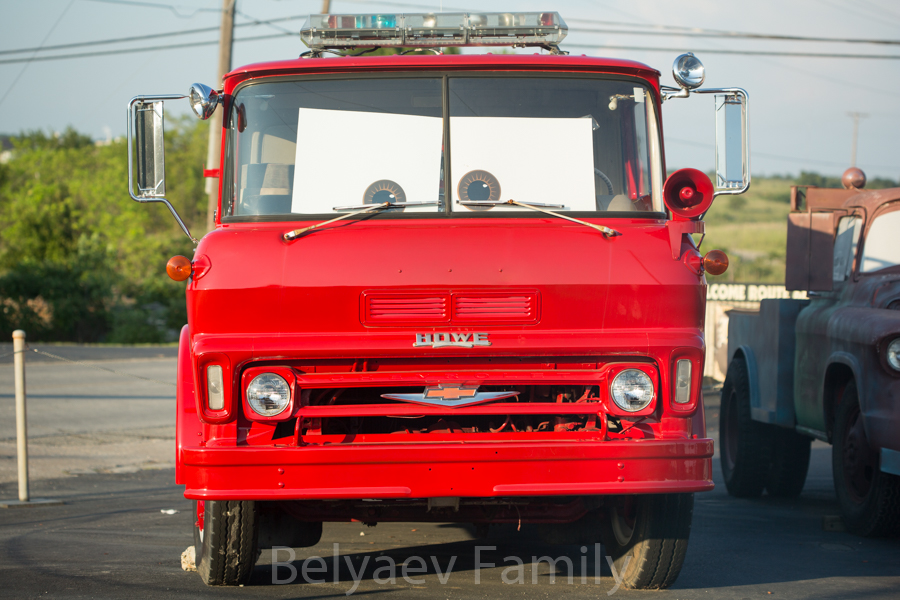
Red
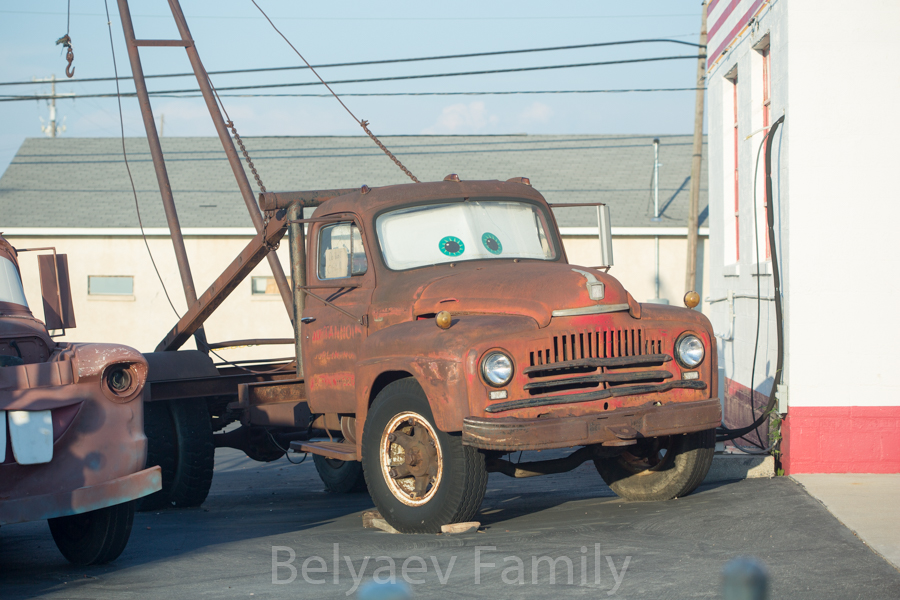
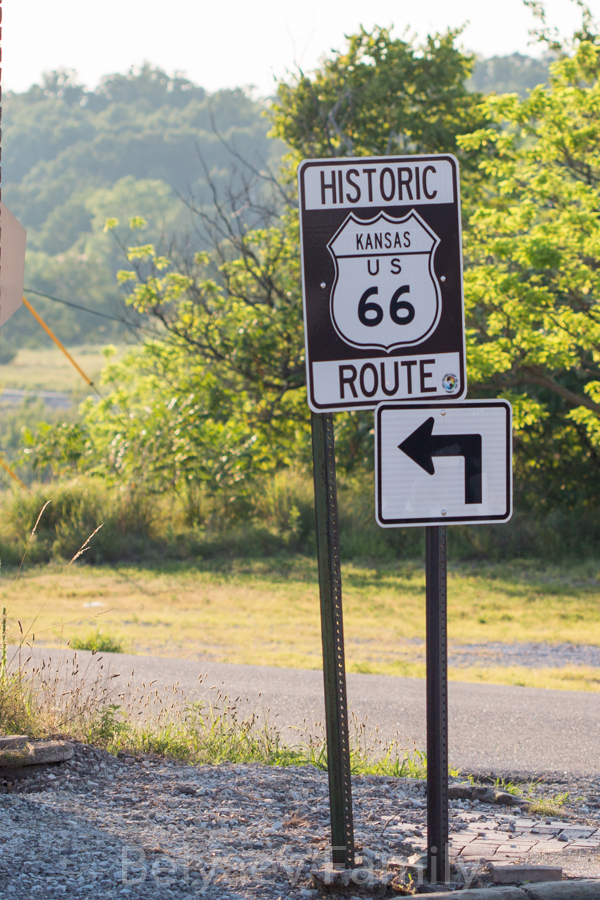
Route 66
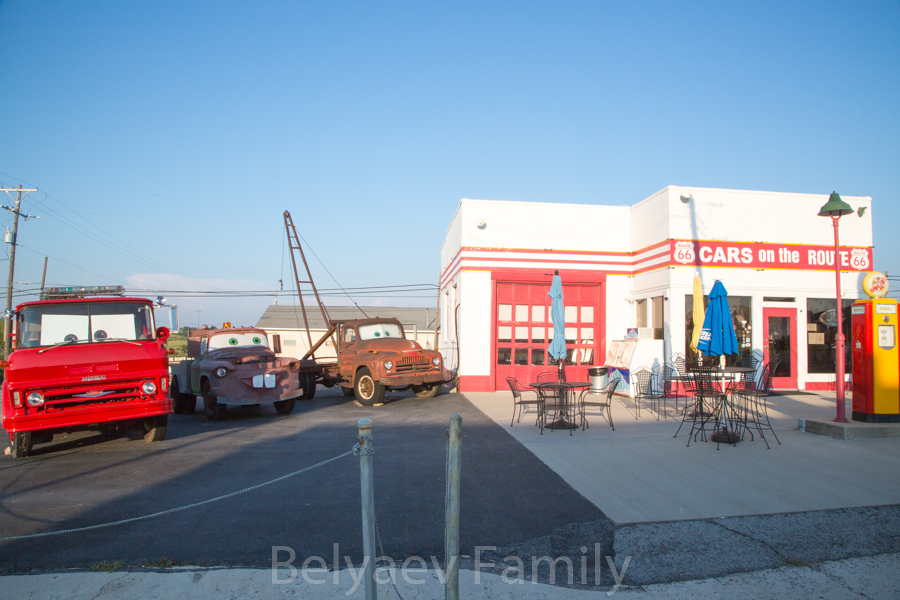
All together
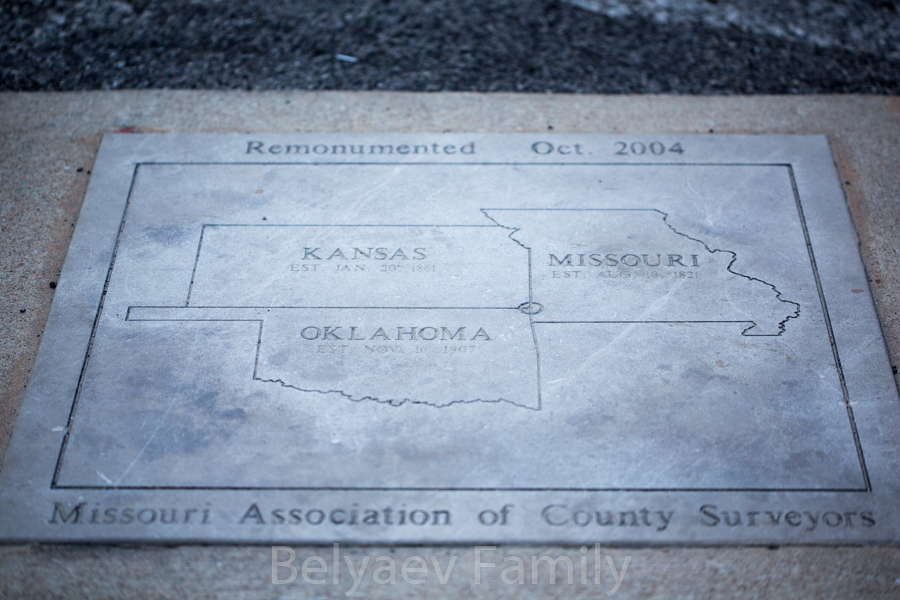
Kansas. Oklahoma and Missouri are met here
Part 31 here